
By Sanjoy Kumar Barua
In a stunning public speech, Saidur Rahman, General Secretary of Sirajganj District BNP, brazenly confessed his role in the brutal execution of 15 police officers during the August 5, 2024 uprising in Bangladesh.
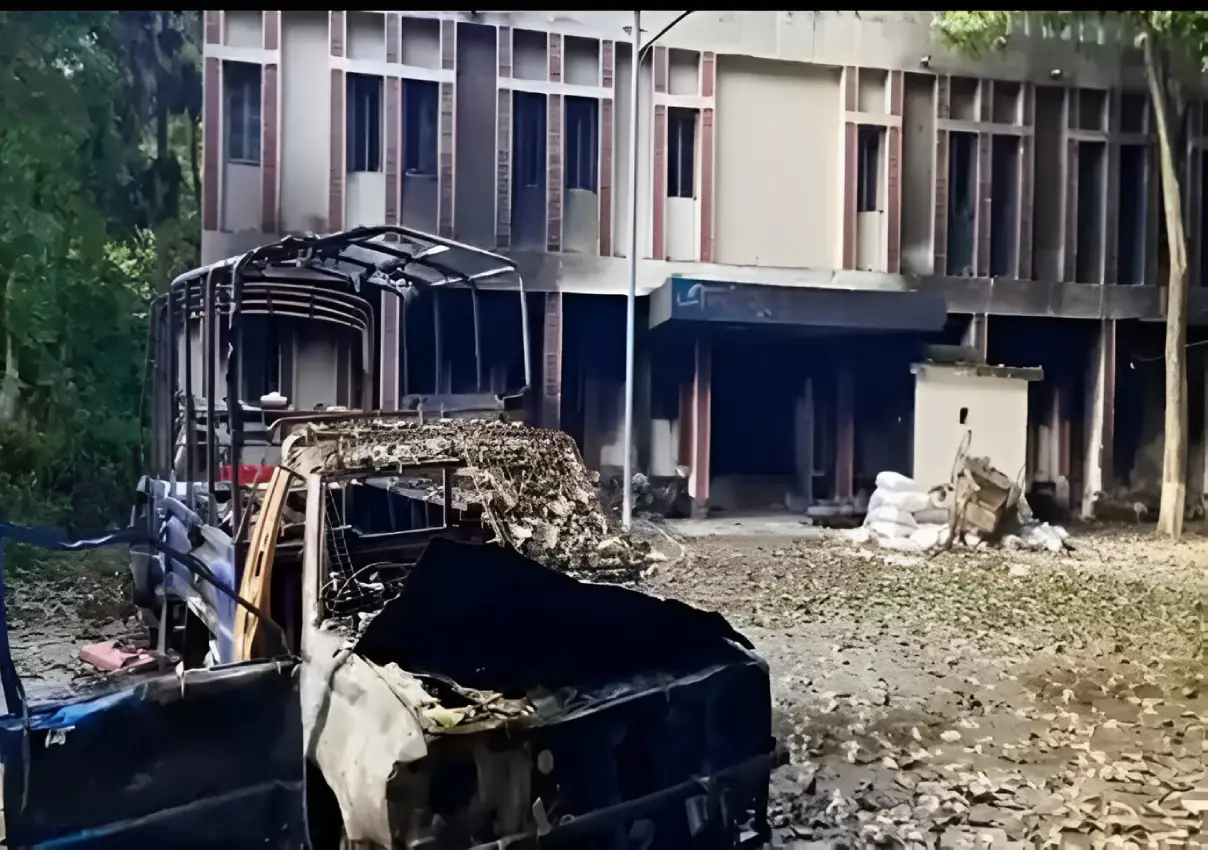
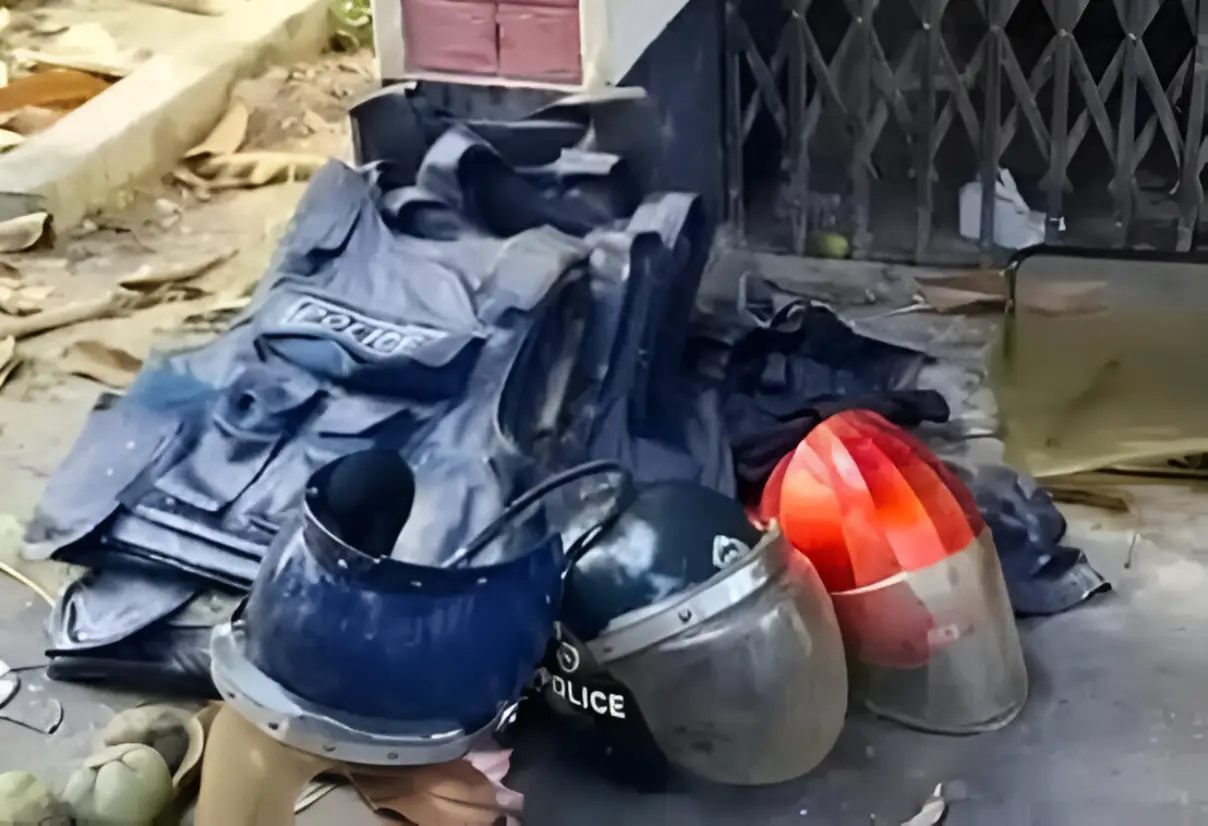
Rahman claimed that the attack on Enayetpur Police Station was a calculated effort to “break the backbone of the Bangladesh Police.”
In a public address, Bacchu reportedly admitted, “We broke the backbone of the police administration by killing 15 policemen in Sirajganj’s Enayetpur.”
The harrowing details of this brutal massacre, which horrified the nation, have exploded onto social media in a viral video.
In it, Rahman appears unapologetic, even proud, as he recounts how his group stormed the police station, ignored pleas for surrender, and executed law enforcement agency members in a gruesome display of violence.
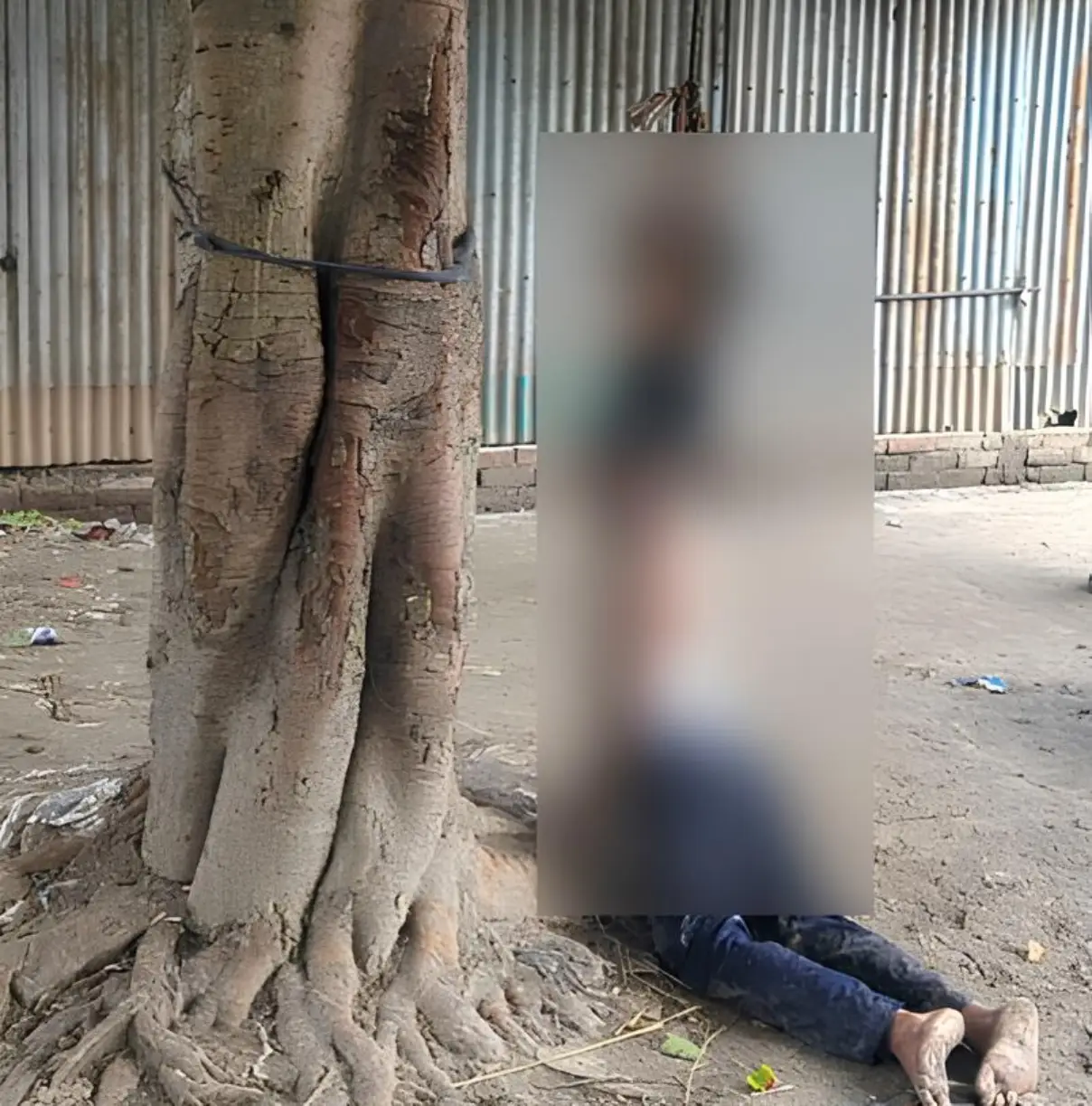
The victims’ bodies were later hung from trees, delivering a grim warning to the police force.
Despite this explosive confession, no significant legal action has been taken against Bacchu yet.
Meanwhile, former minister Abdul Latif Biswas remains imprisoned for his alleged role in the attack, leading to widespread debates about justice and accountability.
Bacchu’s public admission has raised concerns about the investigation’s integrity and highlighted the urgent need for a transparent and impartial inquiry.
The incident, which targeted law enforcement with ruthless precision, marked one of the most devastating attacks on Bangladesh’s police force in recent years.
Bacchu’s admission has not only reopened old wounds but has also raised urgent questions about the extent of political involvement in the attack and its broader implications for national security.
Rahman’s admission has put the BNP in a precarious position.
While the party had previously condemned the attack, the video has sparked fresh outrage.
Senior BNP leaders, including those close to Khaleda Zia, have refrained from commenting directly, claiming they are investigating the matter.
However, this silence is being interpreted as a tacit acknowledgment of their internal crisis.
The massacre at Enayetpur triggered widespread fear among law enforcement.
Following the attack, thousands of officers reportedly abandoned their posts, leaving police stations deserted.
This law enforcement vacuum allowed for unchecked violence across the country, including over 2,200 reported attacks on the homes, offices, and businesses of Hindus, as well as targeted killings of over 300 Awami League activists.
Even two days ago, a former Officer-in-Charge in Chattogram was brutally assaulted by BNP activists, further exacerbating tensions between the party and law enforcement.
The officer, now serving in the CID, was accused by BNP members of suppressing opposition voices under Sheikh Hasina’s administration.
The Enayetpur attack, previously condemned as an act of terrorism by the BNP, has now come full circle with Rahman’s inflammatory remarks.
This admission has not only deepened the divide between the BNP and police but has also reignited memories of the chaos and human rights abuses that followed the uprising.
The BNP faces a formidable challenge in managing the fallout from Rahman’s remarks, risking further estrangement from both law enforcement and public trust.
Meanwhile, victims of the massacre and their families are left grappling with the haunting reality that justice remains elusive.