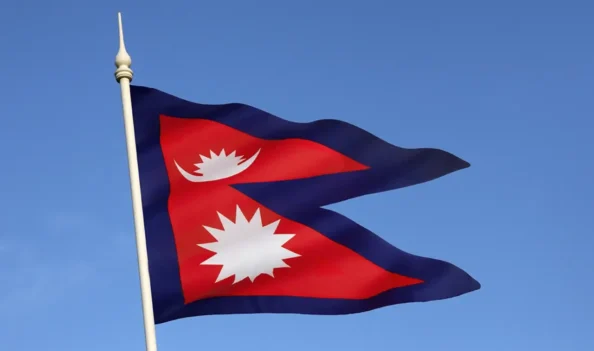
Nepal is preparing for a pivotal national election in 2026, with more than 17.9 million registered voters expected to cast their ballots at over 10,800 polling stations across the country. The Election Commission of Nepal (ECN) is finalising logistics and security arrangements as major political parties roll out manifestos reflecting both continuity and proposed reforms in the country’s evolving political landscape.
Governance reform and administrative efficiency have emerged as central campaign themes. The Nepali Congress (NC) and the Ujjyalo Nepal Party (UNP) have pledged to reduce the number of ministries at federal and provincial levels to cut costs and improve coordination. The UNP has also proposed reducing the number of elected representatives and introducing directly elected chief ministers in provinces, arguing that such measures would enhance accountability and curb political fragmentation.
Anti-corruption measures feature prominently in the platforms of the Rastriya Prajatantra Party (RPP) and the Communist Party of Nepal–Unified Marxist Leninist (CPN-UML). Both parties have called for mandatory annual public asset disclosures by officials, permanent disqualification from public office for those convicted of corruption, nationalisation of illegally acquired assets and financial rewards for whistleblowers following final court verdicts. The proposals are aimed at addressing persistent public concerns over corruption and restoring trust in state institutions.
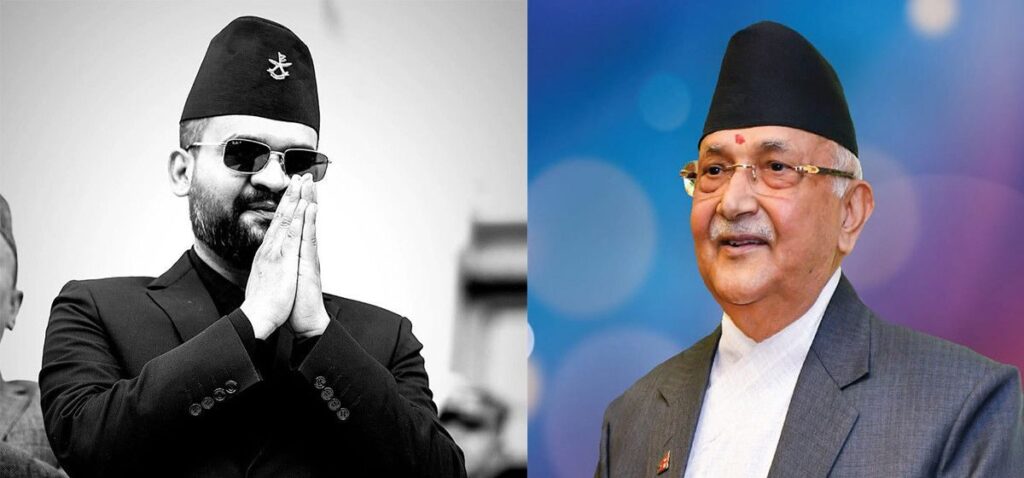
Territorial integrity and foreign policy sensitivities have also entered the campaign discourse. The Nepal Communist Party (NCP) has pledged to pursue diplomatic resolution of border disputes in Kalapani, Lipulekh and Limpiyadhura. In a related development, Balendra Shah, a leader of the Rastriya Swatantra Party (RSP), dropped the proposed Nepal–China Friendship Industrial Park — linked to China’s Belt and Road Initiative — from his campaign platform, citing geopolitical sensitivities and the need for balanced foreign relations.
The election follows a turbulent political period marked by the dissolution and subsequent restoration of Parliament. Although the CPN-UML had earlier questioned the legitimacy of the polls, party chair KP Sharma Oli has since affirmed the party’s participation, signalling broader political consensus on moving forward with the electoral process.
On the ground, preparations are advancing rapidly. The ECN has confirmed more than 10,000 polling locations for over 17 million voters. District authorities are completing ballot packing and distributing materials, while security agencies have classified polling sites and begun coordinated deployments, particularly in sensitive districts such as Sunsari, Banke and Bajura. Preventive measures, including voluntary surrender of licensed arms in some areas, have also been introduced.
Digitally, the ECN will rely on its existing online voter database and results portal, with no new biometric verification systems planned. Voter identification will be conducted using approved documents. Nationwide voter education campaigns are underway, focusing on women, youth, persons with disabilities and marginalised communities. Overseas voting, however, remains unavailable.
To mitigate risks, the ECN is coordinating with security and cyber authorities to counter misinformation and prevent localised disruptions. A 48-hour campaign silence period will be enforced ahead of polling, and border points near India will be sealed 72 hours before voting begins.
Nearly one million new voters — many of them young — have registered since the last election, indicating heightened political engagement. Despite social media rumours about possible postponement, officials maintain that preparations are on schedule and that the security environment remains stable.
The interim government, which assumed office following the September Gen Z uprising, faces a crucial test in delivering timely, peaceful and credible elections. Observers say the conduct of the 2026 polls will be central to establishing the government’s legitimacy and reinforcing public confidence in Nepal’s democratic process.