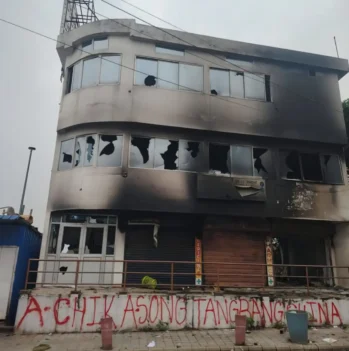
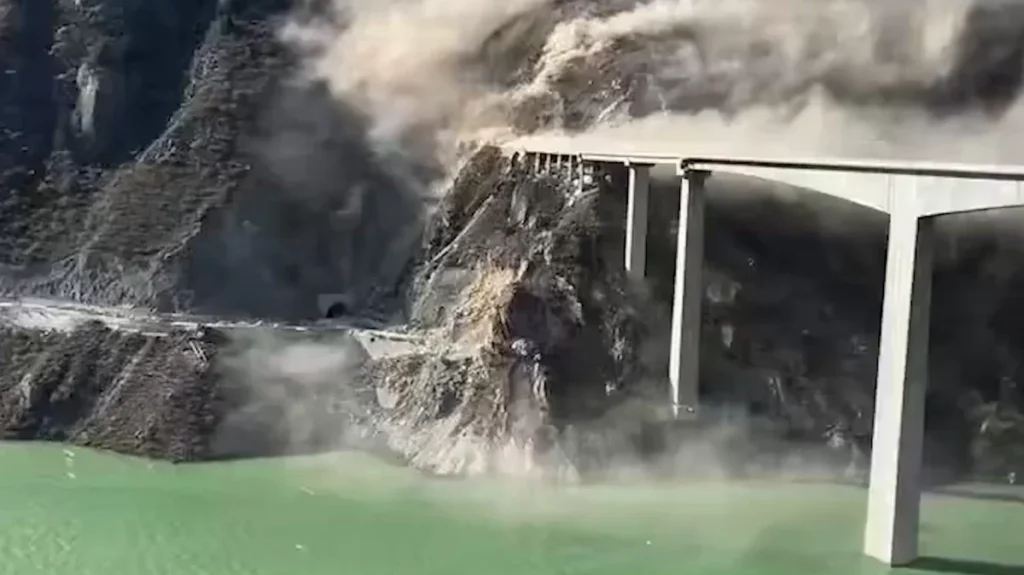
The news from Yichang, now circulating widely, is as mesmerising as it is terrifying. In mere seconds, millions of tons of rock cascade down a mountainside, obliterating a winding road and sending shockwaves through the Yangtze River valley. The collapse is not just a local disaster, it is a stark reminder of the precarious balance between human ambition and natural forces.
The Three Gorges Dam is more than a hydroelectric project; it is a symbol of China’s modern engineering prowess. Stretching across the Yangtze River, it is the largest power station in the world by installed capacity. It represents energy security, flood control, and national pride. Yet, the dam has always been shadowed by controversy: environmental degradation, displacement of millions, and persistent warnings about geological instability.
This latest landslide footage reignites those concerns. If mountainsides near the dam are collapsing with such ferocity, what does that mean for the long-term safety of the dam itself?
Landslides are not uncommon in the Three Gorges region. The steep terrain, combined with seasonal rains and seismic activity, makes it prone to geological instability. However, the sheer scale of this collapse is alarming. The footage shows not a minor slip but a catastrophic failure of an entire mountainside.
Scientists have long warned that the dam’s reservoir, by altering water pressure and seepage patterns, could exacerbate landslide risks. The sudden disappearance of a mountain chunk is a chilling validation of those warnings.
Climate change adds another layer of complexity. Intensified rainfall, unpredictable weather patterns, and rising temperatures destabilise slopes further. Human activity road construction, deforestation, and mining weakens natural barriers. The footage from Yichang is not just a freak event; it is part of a broader pattern where human interventions amplify natural disasters.
While the video captures the raw spectacle of nature, the human dimension cannot be ignored. Roads obliterated in seconds mean communities cut off, livelihoods disrupted, and lives endangered. Authorities have issued top-level alerts, but the question remains: are emergency systems adequate to protect millions living downstream of the dam?
The collapse also raises fears of cascading disasters. A landslide into the Yangtze could trigger waves, destabilise riverbanks, or even threaten dam operations. The human cost of such a scenario would be incalculable.
The Three Gorges Dam has always been hailed as a triumph of engineering. Yet, engineering marvels are only as strong as the environment they inhabit. The footage forces us to confront a sobering reality: no amount of concrete can fully tame nature.
The dam’s critics argue that China’s pursuit of mega-projects often overlooks ecological fragility. The landslide is a reminder that infrastructure must adapt to nature, not attempt to dominate it.
The Three Gorges Dam is not just China’s concern. It is a global symbol of the risks and rewards of mega-engineering. The footage resonates worldwide, especially in countries pursuing large-scale hydroelectric projects. It raises universal questions: How do we balance energy needs with environmental safety? How do we prepare for disasters that defy prediction?
One of the most pressing issues is transparency. China’s handling of information around the dam has often been criticised as opaque. The viral footage forces authorities to confront public scrutiny. In an age of instant digital sharing, disasters cannot be hidden. Transparency is not just a moral obligation; it is a practical necessity for building trust and ensuring safety.
The Yichang landslide serves as a stark wake-up call, reminding us of the urgent need to respect nature’s power and prepare for its unpredictability. Geological monitoring must be relentless, with sensors, satellites, and predictive models deployed to anticipate collapses before they occur. At the same time, climate resilience must be integrated into infrastructure planning, as engineering cannot afford to ignore the accelerating impacts of climate change.
Equally important is community preparedness, where evacuation drills, emergency communication systems, and disaster relief strategies are prioritised to safeguard lives. Finally, mega-projects must be re-evaluated with ecological fragility in mind, ensuring that the pursuit of scale does not overshadow the responsibility to protect both people and the environment.
The footage is haunting not just for its visual spectacle but for what it represents: the fragility of human ambition. The Three Gorges Dam may stand as a monument to engineering, but it also stands as a reminder that nature always has the final word.
As millions watch the mountain vanish in seconds, the message is clear: we must respect the forces we seek to harness. Energy security, national pride, and technological triumph mean little if they come at the cost of ecological collapse.
The landslide near the Three Gorges is not just a local disaster it is a global warning. It tells us that in the contest between concrete and nature, humility must prevail. The footage from Yichang should not merely spark panic; it should spark reflection, reform, and resilience.
If the Three Gorges Dam is to remain a symbol of progress, it must also become a symbol of balance between ambition and caution, between engineering and ecology, between human needs and nature’s limits.