As Bangladesh heads into its 13th Parliamentary Election along with a referendum on the July National Charter on Thursday, February 12, 2026, interim government chief Professor Muhammad Yunus addressed the nation, urging candidates to rise above personal and party interests. He called on them to prioritize national stability regardless of the poll outcome and said victory and defeat are both integral to democracy.
Yunus asked voters to participate enthusiastically and appealed particularly to women and young citizens, many of whom, he said, had missed opportunities to vote in the past. He emphasized the need to build a just and inclusive Bangladesh after the elections.
Campaigning, which began on January 22, concluded on February 10 at 7:30 pm. Authorities imposed a 96-hour ban on public rallies and processions before and after polling day. Voting will take place from 7:30 am to 4:30 pm.
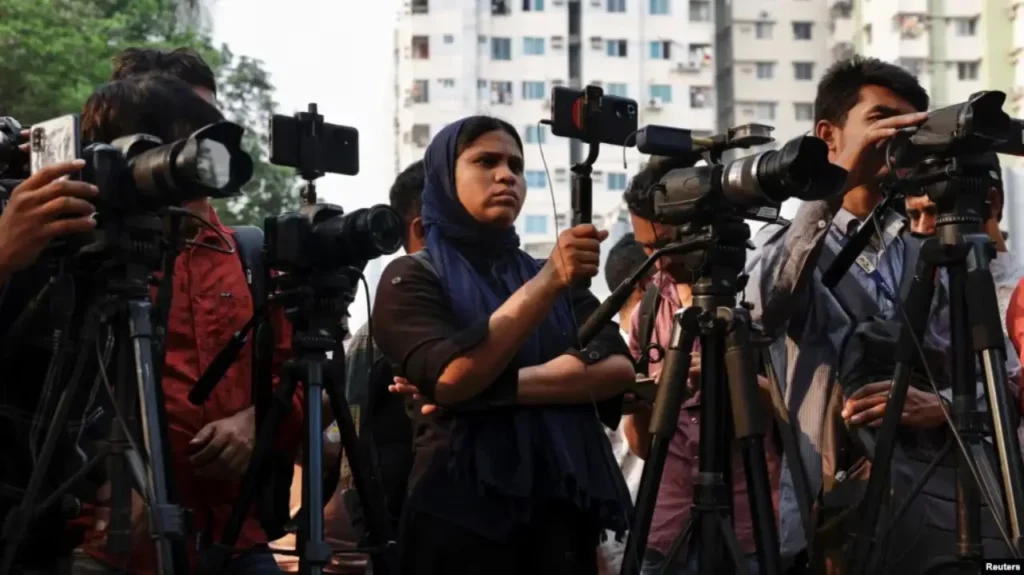
Nearly 400 foreign observers, including around 200 journalists representing 45 global media outlets, have arrived in Bangladesh. During the 12th parliamentary elections held on January 7, 2024, only 158 international observers were present. The government declared a two-day general holiday beginning February 11, followed by the regular weekend holidays on February 13–14.
The Awami League, led by ousted Prime Minister Sheikh Hasina, is barred from contesting the election. The last general election was held in January 2024, but the student-led mass uprising that led to Hasina’s removal six months later prompted fresh polls.
The interim government invited several countries—including India, Nepal, Australia, Brazil, Canada, Egypt, France, Kuwait, Morocco, Nigeria, and Romania—to send observers. International bodies such as the European Union, Commonwealth Secretariat, SAARC Human Rights Foundation, Asian Network for Free Elections, Organisation of Islamic Cooperation, SNAS Africa, Polish Institute of International Affairs, and the US-based International Republican Institute and National Democratic Institute have also agreed to monitor the election.
Amid the political buildup, the New York-based Committee to Protect Journalists (CPJ) urged Bangladesh’s major political parties to safeguard press freedom. In separate letters to the Bangladesh Nationalist Party (BNP), Jamaat-e-Islami Bangladesh, the student-led National Citizen Party, and the Jatiya Party, CPJ called for public commitments to protect journalists during the election period and to reject violence, intimidation, and misuse of criminal or national-security laws.
CPJ noted that risks to journalists had intensified ahead of the polls. It cited the continued imprisonment of reporters on what it described as unverified charges and longstanding impunity for violence against media professionals, contributing to fear and self-censorship.
In its communication to BNP chairman Tarique Rahman, CPJ stressed that a free press is essential to credible elections. Journalists inform voters, scrutinize those in power, and enable public debate, it said. CPJ also observed that Bangladesh remains one of Asia’s leading jailers of journalists, with five currently behind bars on murder and national-security charges that appear linked to their reporting or political affiliations. Attacks and threats against journalists are rarely investigated or prosecuted, it added.
CPJ’s Asia-Pacific program coordinator, Kunal Majumder, told this writer that risks escalated sharply in the pre-election period. In December 2025, mobs—who it is generally believed were supporters of the Inqilab Mancha and Jamaat-e-Islami—attacked the offices of The Daily Star and Prothom Alo. Several reporters and editors faced digital harassment, coordinated hate campaigns, and threats amid political polarisation.
“This form of abuse was enabled by the previous Hasina government to intimidate journalists and remains prevalent, despite a change in administration and promises of media reforms,” Majumder said. He added that meaningful reform requires removing barriers to official information, press briefings, and public records that hinder fair election coverage.
The Geneva-based Press Emblem Campaign (PEC) condemned the murder of Bengali Hindu journalist Rana Pratap Bairagi, 45, in Jessore on January 5 and demanded a thorough investigation. On January 26, at least 12 journalists were injured in an attack by alleged extortionists in Narsingdi. PEC chairman Blaise Lempen urged authorities to bring the perpetrators to justice.
The Bangladesh Editors’ Council also called on authorities to ensure the safety of journalists during the election period, noting that reporters gathering information often face threats and intimidation. It urged the interim government, the election commission, and law enforcement agencies to take effective measures to guarantee media security.
Meanwhile, several Western media outlets project the BNP-led alliance as the frontrunner in the election, with chairman Tarique Rahman seen as a likely candidate for prime minister.
Rahman returned to Bangladesh on December 25 after 17 years in self-imposed exile in the United Kingdom. He was welcomed by large crowds. The son of former President Ziaur Rahman and former Prime Minister Khaleda Zia, he told supporters, “I have a plan,” echoing a well-known historical speech.
Khaleda Zia died on December 30 at the age of 80. The government declared three days of state mourning, and Rahman received widespread condolences.
International publications have also weighed in. The Diplomat carried an analytical piece suggesting Rahman could emerge as Bangladesh’s next premier. Time magazine and Bloomberg, citing opinion polls, described him as the front-runner. The Economist earlier projected the 60-year-old political leader as a likely head of government.
At campaign rallies, Rahman promised to focus on job creation, technical education, information technology, and sports. He spoke of building a Bangladesh based on mutual trust, the rule of law, and freedom of speech.
As Bangladesh prepares to vote, the election is unfolding under intense domestic and international scrutiny—not only over political outcomes, but also over media freedom, safety, and the credibility of the democratic process, which remains clouded by minority killings and persistent human rights violations.