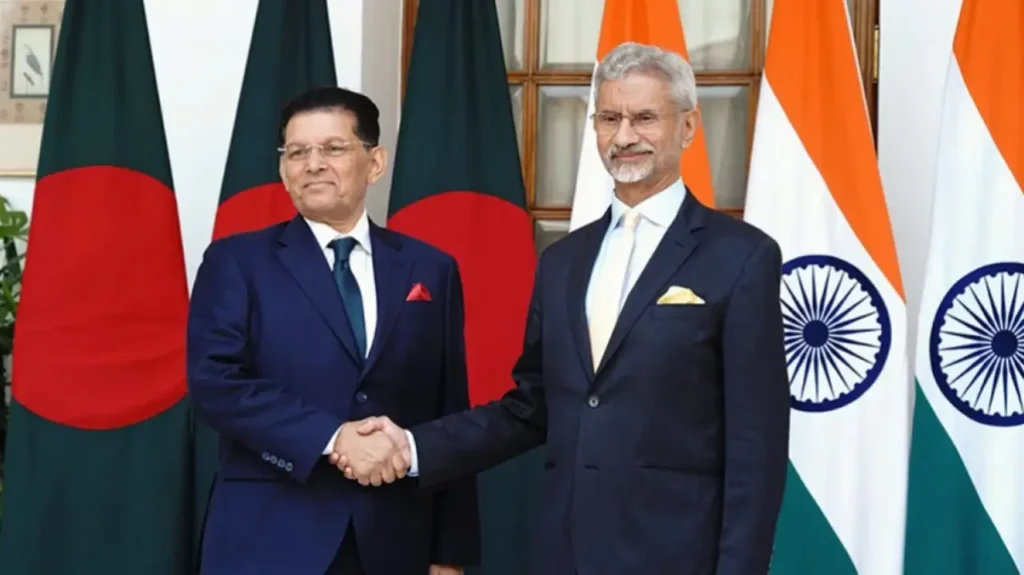
The friendship between Bangladesh and India is not merely a diplomatic arrangement sculpted by political necessity or geographical proximity.
It is a sacred bond born amid the firestorms of history, sanctified by sacrifice, and nourished through the tears and blood of 1971.
Few relationships in modern South Asian history possess such profound emotional depth, moral resonance, and civilizational intimacy as the enduring brotherhood between these two nations.
The immortal saga of 1971 remains the luminous cornerstone of this relationship. When the people of Bangladesh faced one of the darkest genocidal campaigns of the twentieth century under the barbaric military junta of Pakistan, India stood beside the oppressed people of Bangladesh not as a distant observer, but as a compassionate friend and courageous ally.
Nearly ten million refugees crossed into India seeking sanctuary from massacre, persecution, and devastation. India opened its borders, its resources, and its heart to the suffering masses of Bangladesh.
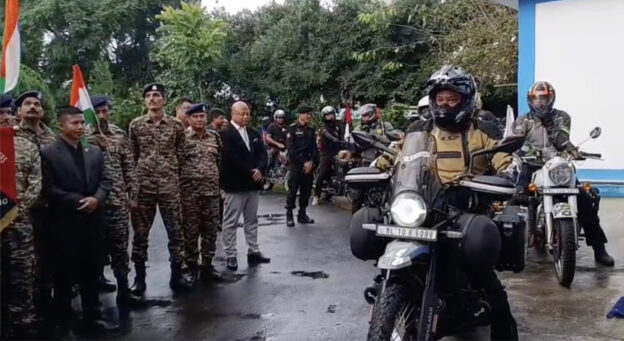
Indian soldiers fought shoulder to shoulder with the valiant freedom fighters of Bangladesh.
As a frontline freedom fighter during the glorious Liberation War of 1971, I fought shoulder to shoulder with our brotherly, patriotic, and gallant Indian soldiers in the sacred struggle to establish our independent, sovereign, and beloved homeland — Bangladesh.
Together we confronted tyranny and gave birth to an independent nation. The soil of Bangladesh remains forever indebted to those Indian martyrs whose blood mingled with the blood of Bengali martyrs in the sacred struggle for liberation.
As the great Indian poet and Nobel Laureate Rabindranath Tagore once wrote, “Love does not claim possession, but gives freedom.” India’s support during 1971 reflected precisely that spirit of humanity, solidarity, and moral courage.
Likewise, Bangabandhu Sheikh Mujibur Rahman himself recognized the historic significance of India’s friendship when he declared: “Bangladesh and India are tied together by bonds of friendship sealed with blood.” Those words continue to echo across the rivers, plains, and shared memories of both nations.
Geography has intertwined the destinies of Bangladesh and India in a manner that neither politics nor temporary misunderstandings can erase. Rivers flow across borders without passports.
Culture transcends fences. Languages, music, literature, cuisine, and traditions intermingle naturally between the peoples of Bengal and India. From the timeless songs of Tagore to the spiritual humanism of Kazi Nazrul Islam, from shared culinary heritage to familial connections across borders, the cultural soul of the region beats with remarkable harmony.
Certainly, some challenges and disagreements now exist between neighboring nations.
Contentious issues such as water-sharing, border management, trade concerns, and regional sensitivities occasionally cast shadows upon bilateral relations.
Yet mature friendships are not measured by the absence of disagreement, but by the wisdom to overcome them with mutual respect and goodwill.
The Teesta River dispute, border tensions, and occasional inflammatory rhetoric from some Bangladesh’s political actors should never be allowed to poison the larger historical truth binding these two nations together.
Diplomacy must remain guided not by emotional hostility or populist provocation, but by farsighted statesmanship rooted in dialogue, fairness, and empathy.
The words of Mahatma Gandhi remain deeply relevant today: “The future depends on what we do in the present.” Both Bangladesh and India must therefore nurture a future founded upon trust, regional cooperation, and shared prosperity.
Economically and strategically, the two countries remain inseparably connected.
Trade, energy cooperation, transport connectivity, security coordination, and regional stability all demand close collaboration.
India’s northeastern states benefit immensely from connectivity through Bangladesh, while Bangladesh continues to gain from economic partnerships, energy initiatives, and regional integration. Such cooperation is not a matter of convenience alone; it is an imperative of geography and history.
At a time when global powers increasingly view South Asia through the prism of geopolitical competition especially by the Washington administration exclusively for gaining their geopolitical and economic interests using the land of Bangladesh, Bangladesh and India must guard their friendship against divisive narratives and external manipulations.
Wisdom demands balance, sovereignty, and mutual respect rather than suspicion and antagonism.
Bangladesh must steadfastly preserve its national interests while simultaneously cherishing the invaluable friendship of India.
Likewise, India must continue to demonstrate sensitivity toward Bangladesh’s aspirations, dignity, and sovereign concerns. Lasting friendship flourishes only where respect walks beside cooperation.
As Martin Luther King Jr. wisely observed, “We must learn to live together as brothers or perish together as fools.” Those timeless words resonate powerfully within the context of Bangladesh and India.
The story of these two nations is not merely a political relationship; it is a shared human journey shaped by sacrifice, liberation, resilience, and hope. “Joy Bangla” and “Jai Hind” are not simply slogans. They are echoes of shared courage, shared struggle, and shared destiny.
May this eternal friendship continue to flourish across generations. May the rivers between the two nations forever carry the songs of peace, cooperation, and brotherhood.
And may Bangladesh and India together illuminate South Asia with the enduring light of humanity, wisdom, and mutual trust.