The escalating geopolitical crisis in West Asia is beginning to affect India’s tea industry, with Assam and the Northeast- the country’s largest tea-producing region- facing growing uncertainty in export markets, logistics and price realization.
Industry stakeholders say disruptions in shipping routes, rising freight costs and weakening demand from key West Asian buyers are creating pressure on exporters and auction markets at a time when the tea sector is already grappling with climate stress and fluctuating production.
In a recent statement issued on International Tea Day, Dinesh Bihani, Secretary of the Guwahati Tea Auction Buyers Association (GTABA), warned that the continuing tensions in West Asia are impacting tea exports, demand and consumption patterns across several major importing countries.
“Disruptions in shipping routes and increasing freight and insurance costs are affecting Indian tea exporters. Markets like Iran, UAE and Iraq are showing cautious buying trends because of economic uncertainty,” the statement noted.
India exported around 280.4 million kilograms of tea in 2025, valued at nearly Rs 8,488 crore, according to industry estimates. A substantial share of these exports originates from Assam, West Bengal and other northeastern states. Nearly 46 percent of India’s tea exports are linked to West Asian countries including Iran, Iraq, UAE, Saudi Arabia, Turkiye and Egypt.
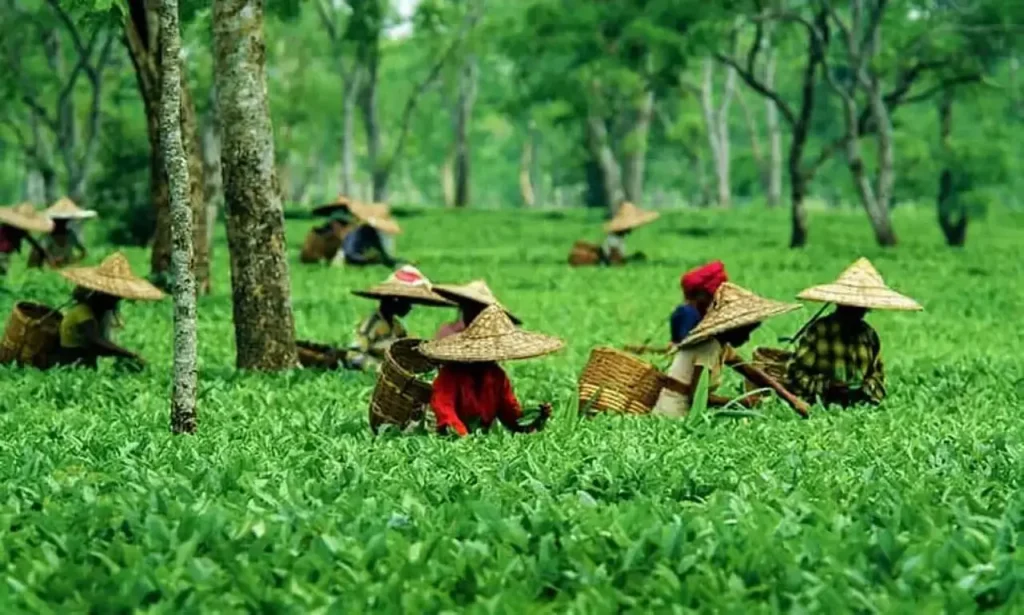
Assam remains the backbone of India’s tea economy. The state contributes more than half of the country’s total tea production, while the Northeast collectively accounts for nearly 55 percent of India’s output. Assam’s strong CTC tea varieties dominate both domestic consumption and bulk export markets.
The Guwahati Tea Auction Centre (GTAC), one of the world’s largest CTC tea auction hubs, has recently recorded strong sales despite wider market concerns. In FY 2024-25, GTAC sold 169.13 million kilograms of tea at an average price of Rs 227.70 per kg, generating a turnover of around Rs 3,850 crore — the highest in its history.
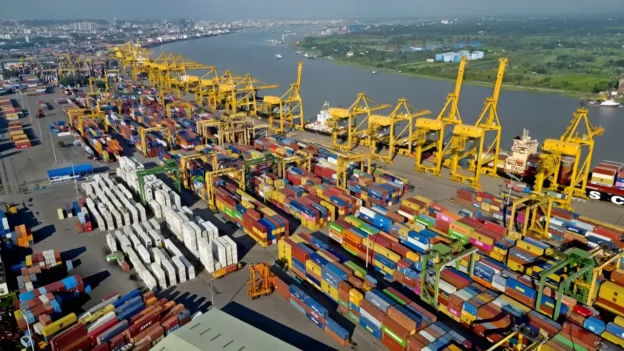
Industry experts, however, caution that current auction gains may not fully shield exporters from international instability. Tea traders say freight charges through sensitive maritime routes have increased sharply after tensions in West Asia intensified, affecting shipment schedules and export margins.
Iran remains one of the largest buyers of orthodox tea from India, particularly from Assam and West Bengal. The UAE functions as both a direct consumer market and a re-export hub for Indian tea into the Gulf region. Iraq and Saudi Arabia are also important destinations for bulk tea exports. Any prolonged disruption in these economies could significantly affect demand for Indian tea.
The tea industry is also witnessing changing consumption patterns. Rising fuel and operational costs are affecting tea stalls, hotels and foodservice sectors in several markets. While household tea consumption remains stable, buyers are increasingly becoming price-sensitive.
Despite the emerging crisis, premium Assam teas continue to attract buyers. Recently, high-quality Assam CTC tea fetched a record Rs 800 per kilogram at the Guwahati Tea Auction Centre, reflecting continued demand for premium categories even amid market volatility.
At the same time, concerns remain over the oversupply of low-quality teas in the market. Reports from GTAC showed that nearly 38 percent of teas offered during parts of 2025 remained unsold, largely due to weaker demand for lower-grade products.
Apart from geopolitical tensions, the tea sector is simultaneously facing climate-related challenges. Erratic rainfall, rising temperatures and declining productivity in Assam have already affected crop volumes in recent years.
International regulations on pesticide residues, especially from the European Union, are creating additional uncertainty for exporters.
The major players in India’s tea export sector include companies such as Tata Consumer Products, McLeod Russel, Goodricke Group, Luxmi Tea, Amalgamated Plantations and several Assam-based bought leaf factories and exporters operating through the Guwahati and Kolkata auction systems. Many exporters are currently adopting a cautious approach amid global market fluctuations and rising transportation costs.
Industry bodies believe the long-term fundamentals of Indian tea remain strong due to sustained global demand and Assam tea’s international reputation. However, stakeholders say immediate policy support, export facilitation and market diversification may become necessary if the West Asia crisis continues for an extended period.