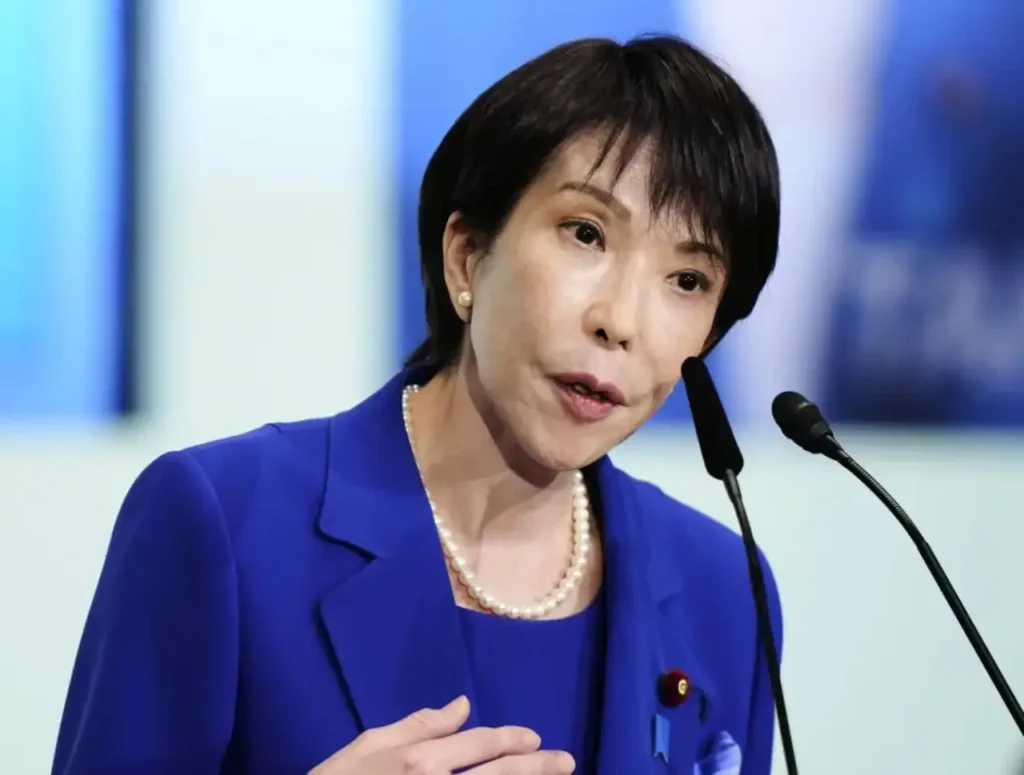
The upcoming visit of the Prime Minister of Japan to Assam on July 1 is being viewed as a landmark diplomatic and economic event that could redefine the trajectory of development and international engagement in Northeast India. Beyond ceremonial significance, the visit is expected to strengthen investment prospects, deepen India-Japan strategic cooperation, and accelerate the implementation of India’s Act East Policy with Assam at its centre.
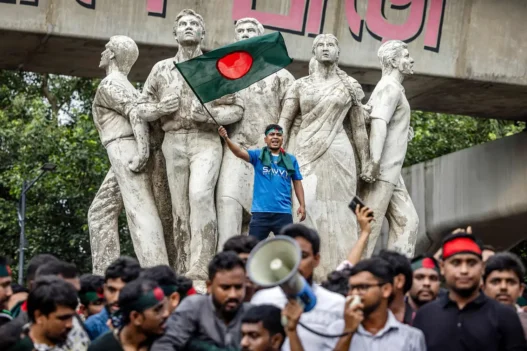
The visit carries historical significance. In 2019, then Japanese Prime Minister Shinzo Abe was scheduled to visit Assam for the annual India-Japan summit alongside Indian Prime Minister Narendra Modi. However, widespread protests against the Citizenship Amendment Act (CAA) and the volatile political situation in Assam led to the cancellation of the summit. Many policymakers and business leaders believe that Assam lost a crucial opportunity to showcase its investment potential to one of Asia’s leading economic powers.
Seven years later, the planned visit is widely seen as the revival of that unfinished diplomatic engagement.
Another notable aspect of the visit is the direct arrival of the Japanese Prime Minister in Guwahati from Tokyo. Since the expansion of international operations at the Lokpriya Gopinath Bordoloi International Airport in Borjhar, Guwahati, this is expected to be one of the most significant visits by a foreign head of government arriving directly in Assam. The development reflects the growing strategic importance of Guwahati as a gateway connecting India’s Northeast with Southeast and East Asia.
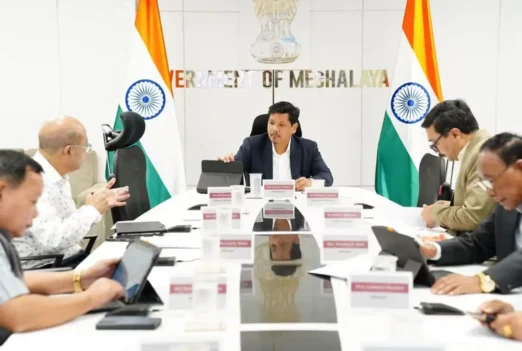
The visit also comes at a politically significant moment. Assam Chief Minister Himanta Biswa Sarma had travelled to Japan shortly before the state election results in May, where he held discussions with government representatives, investors and industry leaders. Observers view the upcoming visit as a continuation of those engagements and an indication of growing confidence among Japanese stakeholders in Assam’s economic future.
Japan’s interest in Assam and the wider Northeast is not new. Through the assistance of the Japan International Cooperation Agency, Japan has emerged as one of the region’s most important development partners. JICA-funded projects have supported major infrastructure initiatives, including water supply systems in Guwahati, road connectivity projects, and capacity-building programmes across the Northeast.
In recent years, Japan has also expanded its focus on human resource development. Collaborative initiatives are underway to prepare thousands of young people from Assam and the Northeast for employment opportunities in Japan. Language training centres and skill development programmes have been established to equip youth with Japanese language proficiency and industry-specific skills. The long-term goal is to facilitate employment opportunities for thousands of skilled workers from the region in sectors facing labour shortages in Japan.
Economic analysts suggest that the visit could open doors to fresh Japanese investments in strategic sectors. Discussions are expected to cover semiconductor manufacturing, clean energy, critical minerals, logistics, food processing, advanced technology and industrial infrastructure. With Assam positioning itself as an emerging industrial and investment destination, Japanese companies may find new opportunities in the state’s expanding economic landscape.
The visit also aligns with broader geopolitical developments in the Indo-Pacific region. Japan has consistently supported connectivity and infrastructure development in Northeast India through low-interest yen loans, recognising the region’s strategic location between South Asia and Southeast Asia. For New Delhi, Assam and the Northeast are central to the Act East Policy, which seeks to strengthen economic and cultural ties with ASEAN countries and the wider Indo-Pacific.
Experts argue that deeper India-Japan engagement in Assam could transform the state into a critical economic corridor linking India with neighboring countries such as Myanmar, Thailand and beyond. Improved infrastructure, industrial investment and regional connectivity could significantly enhance trade flows and create new employment opportunities.
Equally important is the diplomatic symbolism of the visit. Hosting the leader of one of the world’s largest economies underscores the growing international recognition of Assam and Northeast India. It signals that the region is no longer viewed solely through the lens of security and insurgency but increasingly as a hub of opportunity, connectivity and strategic cooperation.
As Assam prepares to welcome the Japanese Prime Minister, expectations are high across political, business and civil society circles. Whether through investment, infrastructure, skills development or regional diplomacy, the visit is expected to mark a significant step in strengthening India-Japan relations while placing Assam more firmly on the global map.
For a region long seeking greater integration with international markets and global development networks, July 1 may prove to be more than a diplomatic occasion—it could become a defining moment in Northeast India’s journey towards economic transformation and global engagement.