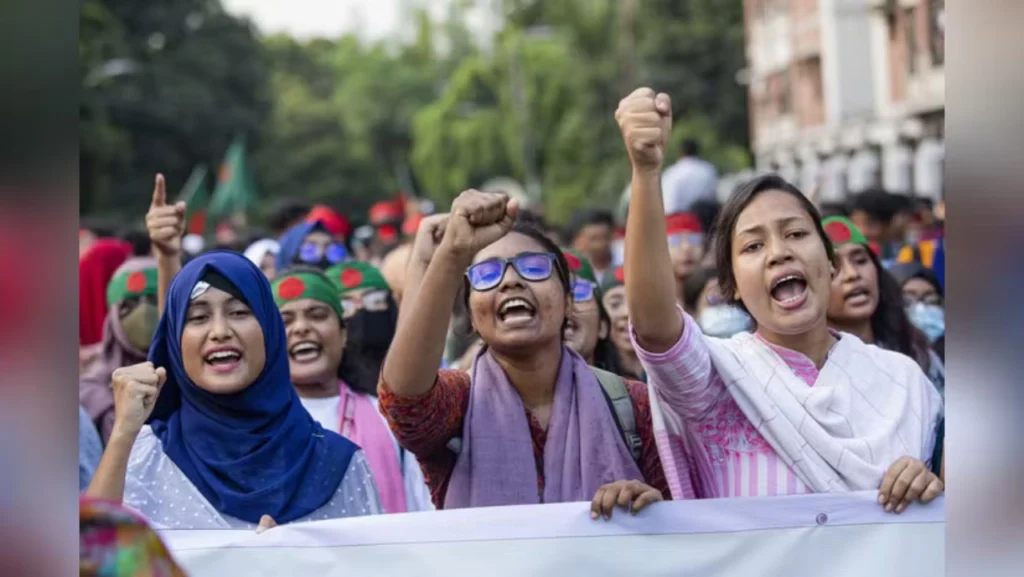
In the weeks following the February 12, 2026 election, Bangladesh found itself slipping into familiar yet deeply troubling territory. The new government, led by Tarique Rahman of the Bangladesh Nationalist Party (BNP), came to power amid expectations of stability. Instead, by March, the country was witnessing a sharp and unsettling rise in political violence.
In just one month, 14 people were killed and nearly 400 injured. These are not merely numbers—they point to a deeper crisis, one that goes beyond law and order and begins to raise serious questions about governance, control, and the direction the country is heading in.
A report by the Human Rights Support Foundation (HRSF) captures the scale of the escalation. It records at least 56 incidents of political violence in March alone—more than triple the fatalities seen in February. What makes the situation particularly striking is that, even as major opposition forces like the Awami League and the Jatiya Party remain relatively quiet, unrest has not diminished. It has simply turned inward.
Political instability, of course, is not new to Bangladesh. But this phase feels different. Much of the violence now appears to be driven by internal rivalries—struggles for dominance, control, and influence within the ruling structure itself. That shift raises uncomfortable questions: not just about political culture, but about the state’s capacity to govern effectively.
The HRSF report underscores this trend. A significant number of those killed were reportedly affiliated with the ruling BNP, pointing to a volatile environment where political competition no longer stops at party lines but exists within them. Alongside this, mob violence continues to persist, reinforcing the sense that confrontation is increasingly replacing consensus as the default mode of politics.
Yet the crisis does not stop at politics. It is steadily seeping into the broader social fabric. The same report notes 11 deaths in prison custody and two more under law enforcement supervision—figures that raise serious concerns about accountability and the protection of detainees.
At the same time, violence against women and children has surged dramatically. In March alone, 289 cases were reported, including incidents of rape, gang rape, and murder. These numbers paint a grim picture of weakening social safeguards and a growing sense of vulnerability among ordinary citizens.
As these developments unfold, Bangladesh is drawing increasing attention from the international community. Organizations such as Human Rights Watch and Amnesty International have long expressed concern over issues like extrajudicial actions, enforced disappearances, and shrinking civic space. The recent spike in violence is likely to intensify that scrutiny.
For global powers—including the United States and the European Union—human rights are not just rhetorical concerns. They play a tangible role in shaping diplomatic ties. Past actions, such as targeted sanctions and visa restrictions, show how internal governance issues can quickly spill over into international relations.
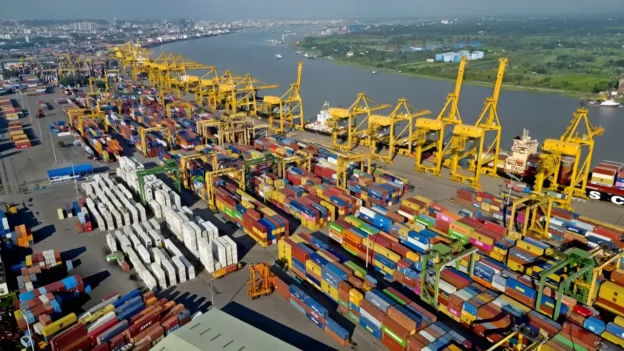
This matters even more for a country like Bangladesh, whose economy is heavily reliant on exports. Its human rights record is no longer a purely domestic issue—it is directly tied to trade privileges, investor confidence, and long-term economic partnerships.
Meanwhile, concerns over press freedom are also growing. The March report documents at least 30 cases of journalists facing harassment, assault, or threats while doing their jobs. Allegations of political interference in news gathering add another layer of concern.
For a country that has traditionally maintained a relatively vibrant media space, this shift is significant. A constrained press not only weakens accountability at home but also shapes how the country is viewed abroad. In today’s interconnected world, media freedom is closely linked to perceptions of governance and credibility.
Adding to the unease is a broader sense of insecurity. In March alone, 53 unidentified bodies were recovered—figures that are as disturbing as they are difficult to explain. Alongside rising mob violence and a staggering 274 road fatalities within just 10 days, the data points to a society grappling with multiple layers of instability.
These trends carry consequences that go beyond national borders. Political uncertainty and a weakening rule of law can deter investors, disrupt supply chains, and erode Bangladesh’s reputation as a reliable economic partner. In a region where countries compete for global capital and strategic relevance, such perceptions can have lasting costs.
All of this brings Bangladesh to a critical moment. The convergence of political violence, human rights concerns, and institutional strain presents a defining test for the government in Dhaka.
Addressing the crisis will require more than short-term measures. It calls for deeper structural reforms—strengthening accountability within law enforcement, safeguarding civil liberties, and fostering a political culture that values dialogue over confrontation.
The stakes are high. Restoring stability is not just about maintaining order at home; it is also about preserving Bangladesh’s position on the global stage. Failure to act decisively could allow internal tensions to translate into external pressure—through diplomatic strain, economic vulnerability, and diminished geopolitical influence.
Ultimately, what is unfolding is not a series of isolated incidents, but a reflection of deeper structural tensions—between power and accountability, security and freedom, governance and legitimacy.
In an interconnected world, such crises rarely remain contained. The path Bangladesh chooses now will shape whether it strengthens its standing as a stable regional player—or becomes a cautionary tale of how internal fractures can reshape a nation’s future.