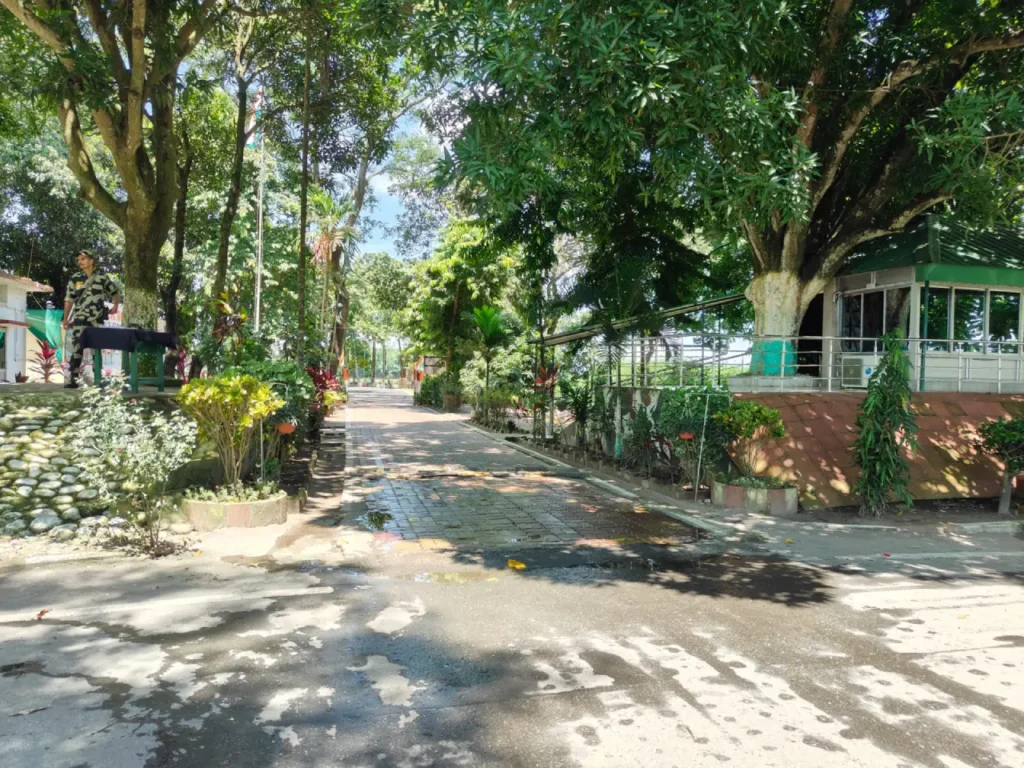
When Border Guard Bangladesh (BGB) and India’s Border Security Force (BSF) commanders meet in New Delhi next week for their biannual border talks, they’ll be going over the usual issues: illegal crossings, fencing disputes, smuggling, violence, migration, and human trafficking. Same as always.
Except this time, things feel different.
A string of incidents along the 4,096-kilometre Bangladesh-India border has pushed tensions higher than they have been in a while, and people on both sides are starting to ask harder questions about where this relationship is actually headed.
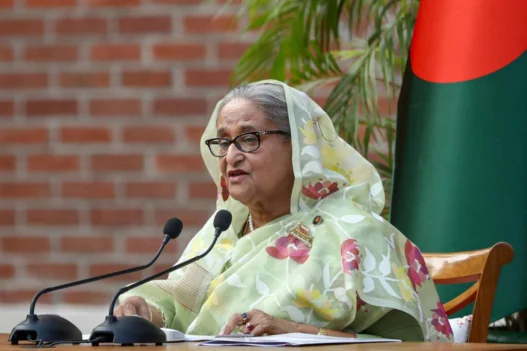
The talks between the two border forces, BGB and BSF, scheduled for 8–11 June, will be the first Director-General (DG)-level meeting since the Bangladesh Nationalist Party (BNP) returned to power in February this year—a shift that has changed the political mood considerably from the situation during the Dr Yunus-led interim administration that followed the political upheaval of August 2024, which overthrew the Sheikh Hasina-led Awami League (AL) government.
Both governments say cooperation is holding up well. What’s happening on the ground does not entirely match that picture.
A border under pressure
The Bangladesh-India border has never been simple under any political government. Families live on both sides of it. Trade moves through official crossings. Smugglers find the gaps. People move in search of work.
But lately, border management has become entangled with domestic politics in ways that make everything harder.
In recent weeks, there have been allegations of migrants being pushed back across the frontier informally, disputes over fencing work, confrontations between border forces, and more deaths of civilians near the border.
In northern Bangladesh, a woman trying to reach her husband in India was detained by Indian authorities and sent back. Near the Dahagram-Angarpota enclave in Lalmonirhat District, construction work close to the zero line triggered another round of friction.
None of this is unprecedented on its own. Together, it adds up to something.
The politics of migration
Migration is where most of the tension is coming from right now.
India has been pushing harder on illegal immigration, particularly from Bangladesh and among Rohingya populations. Senior Indian leaders have framed the issue as a national security concern.
The issue gained greater prominence following political changes in West Bengal, which shares more than half of the border with Bangladesh (approximately 2,216.7 km). The new state administration, led by Suvendu Adhikari of the Bharatiya Janata Party (BJP), has adopted a “3D” policy—”Detect, Delete and Deport”—for undocumented migrants and is moving faster on fencing and surveillance measures.
Indian officials say this is about protecting national security and upholding citizenship laws. Fair enough, from their perspective.
Bangladesh’s position is different. Dhaka maintains that any person claimed to be Bangladeshi must go through formal verification before being sent back. There have been reports of informal deportations—known as “push-ins”—and Bangladesh has warned that bypassing proper procedures creates both humanitarian and diplomatic complications.
The underlying problem is not going away anytime soon. Many communities in border areas share language, culture, and family ties that predate the existence of these borders. Citizenship in this part of the world is rarely as clear-cut as official statements suggest.
The fence and the frontier
Then there is the fencing.
India has been building barriers along the border for three decades, and its argument has remained consistent: fences help reduce smuggling, trafficking, and illegal crossings. However, hundreds of kilometres remain unfenced—rivers, wetlands, difficult terrain, and environmentally sensitive areas all present obstacles.
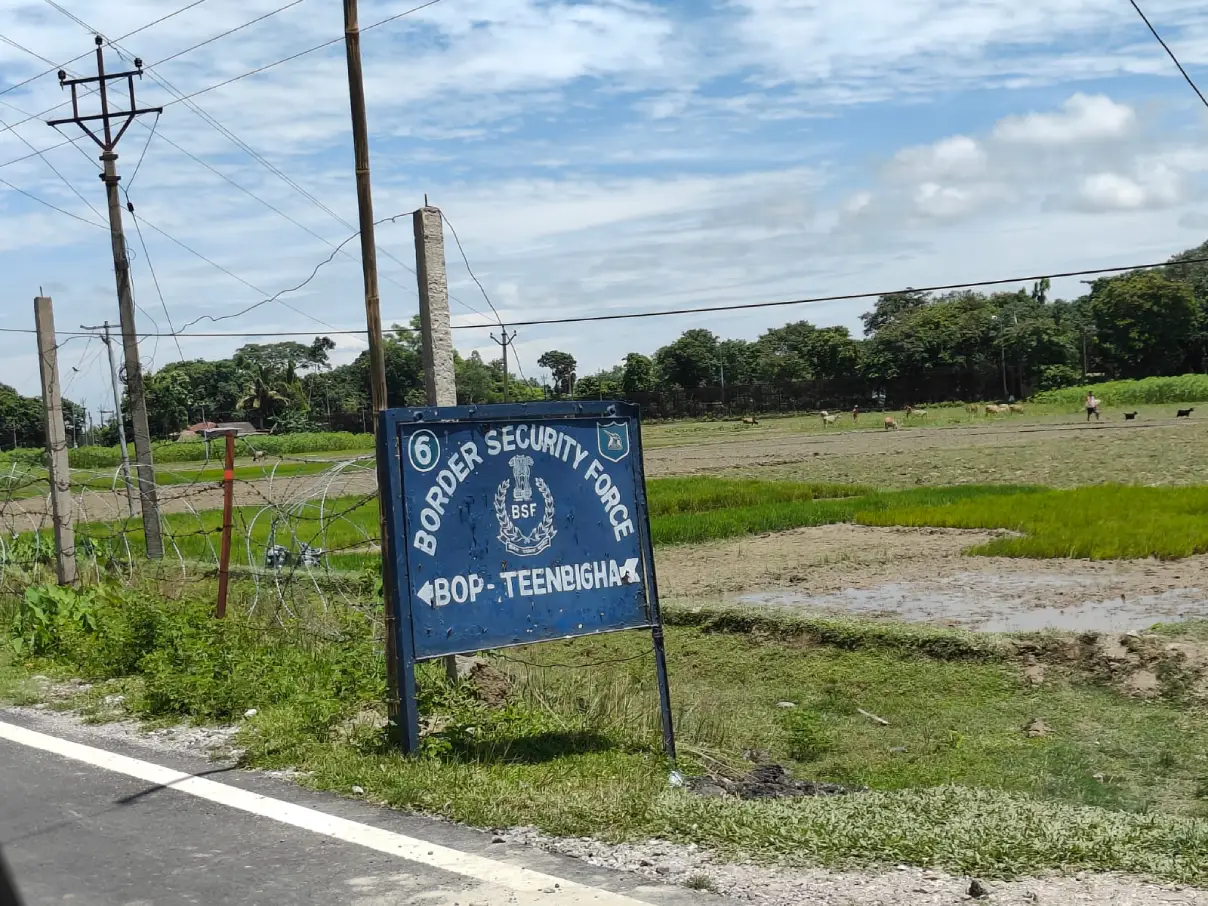
New fencing work has periodically caused friction, especially when it approaches the zero line between the two countries. Bangladesh continues to cite the 1974 Indira-Mujib Agreement, which restricts permanent structures near the border. The recent flare-up near Dahagram-Angarpota demonstrated how quickly even minor construction activity can become a diplomatic sore point.
For people actually living along the border, this is not really about geopolitics. Fences can cut them off from their farmland, markets, and relatives living only a few kilometres away.
Border incidents remain a flashpoint
Nothing stirs stronger feelings in Bangladesh than civilian deaths at the border.
Human rights groups have documented cases of Bangladeshi nationals allegedly attempting to illegally cross the border being shot or wounded over many years. Indian authorities maintain that their forces follow graduated protocols and use lethal force only when facing genuine threats, such as armed smugglers or violent criminals.
But each death triggers public anger in Bangladesh and places pressure on the bilateral relationship. The issue also carries significance beyond the numbers. For many Bangladeshis, border shootings symbolise “the unequal footing” between the two countries. For Indian security agencies, they reflect the realities of patrolling one of the busiest and most complex frontiers in the region.
Neither side’s narrative satisfies the other. That gap has not really narrowed.
Geopolitics beyond the fence
This is not just about the border.
Since Bangladesh’s political transition in 2024 and the BNP’s election victory, Dhaka has been broadening its international relationships with China, the United States, Gulf states, and others. India remains Bangladesh’s largest neighbour and a crucial economic partner, but the regional environment has become more competitive.
Some analysts in Bangladesh believe that developments at the border reflect deeper Indian unease about the direction of Bangladesh’s foreign policy. Indian officials reject that interpretation and continue to describe the bilateral relationship as strong and multifaceted.
But perception matters. Public suspicion—even when governments are not openly clashing—has a way of making diplomacy more difficult than it needs to be.
Why the Delhi talks matter
That is the context for next week’s meeting. It is no longer just a routine security review.
Migration, border violence, smuggling, drone activity, and infrastructure will all be on the agenda. Both sides are likely to emphasize cooperation and confidence-building measures. Neither wants a public diplomatic confrontation. Economic ties are substantial. Connectivity projects are ongoing. Security cooperation remains important to both governments.
But the talks are also a test of whether Bangladesh and India can address these disagreements before they evolve into larger problems.
The border has often been an accurate reflection of the state of relations between the two countries. Right now, it is telling a story of strain.
And whatever diplomats agree to in Delhi, the people living along that frontier will feel the consequences most directly—because for them, geopolitics is not something they read about. It is what happens when they try to cross a field to reach a neighbour’s house.