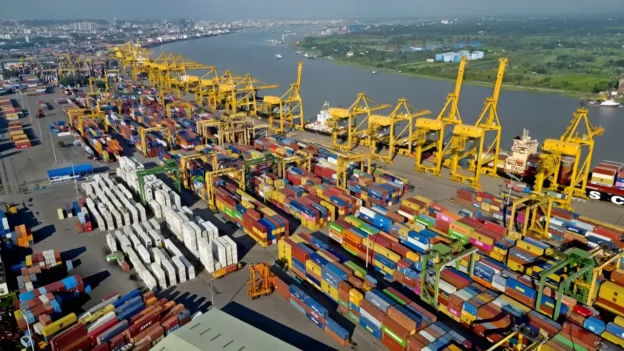
Over the past four decades, China has undergone one of the most remarkable economic transformations in modern history. Since the reform era initiated by Deng Xiaoping, the country has evolved from an agrarian economy into the world’s second-largest economic power. Rapid industrialisation, vast infrastructure expansion, and export-driven growth have positioned China as a global manufacturing hub. In recent years, innovation has taken centre stage, with companies like Huawei and Alibaba Group leading advances in technology, e-commerce, and digital finance.
Yet this economic rise has been accompanied by a distinct political model—one defined by centralised authority and strict state control. Governance remains firmly under the Chinese Communist Party (CCP), with power concentrated at the top, particularly under Xi Jinping. This system prioritises stability, national unity, and economic development, often at the expense of political freedoms such as dissent, free expression, and independent civil society. Through surveillance, censorship, and legal enforcement, the state maintains what many describe as an “iron rule”—efficient and disciplined, yet deeply restrictive.
It is within this broader economic and political context that China’s new “Ethnic Unity” law must be understood.
When China’s National People’s Congress passed the “Ethnic Unity” law in March 2026, state authorities framed it as a forward-looking measure aimed at strengthening national cohesion in an increasingly complex and diverse society. Officials argued that the legislation would promote stability, counter extremism, and foster a shared national identity.
Yet beneath this language of unity lies a far more contentious reality—one that raises profound concerns about cultural erasure, systemic discrimination, and the future of minority rights in China.
At the centre of the law is the formal elevation of Mandarin as the “national common language”, now mandated across education, governance, and public life. While the promotion of a common language is not inherently problematic, the coercive imposition of Mandarin in a country with 55 officially recognised ethnic minorities signals a deeper ideological shift. Each of these communities possesses its own linguistic, cultural, and historical identity—yet the law offers little protection for their preservation.
Instead, it reflects a growing emphasis on assimilation into a dominant Han-centric cultural framework.
This marks a notable departure from earlier policy approaches. During the reform era under Deng Xiaoping, minority groups were at least nominally granted the right to use and develop their own languages. Today, that principle appears to be steadily eroding. Educational institutions are now required to prioritise Mandarin as the primary medium of instruction, with students expected to achieve full proficiency by the end of compulsory schooling.
Critics argue that this is not merely about linguistic standardisation—it is about reshaping identity itself. By targeting schools, the policy effectively influences younger generations, distancing them from their mother tongues, cultural memory, and traditional narratives. Language, in this context, becomes more than a tool of communication; it becomes an instrument of ideological alignment.
International human rights standards offer a stark contrast to this approach. Frameworks such as the Universal Declaration of Human Rights and the International Covenant on Civil and Political Rights affirm the right of minority communities to preserve their language, culture, and identity. From this perspective, China’s law appears to move in the opposite direction—restricting these freedoms under the justification of national unity.
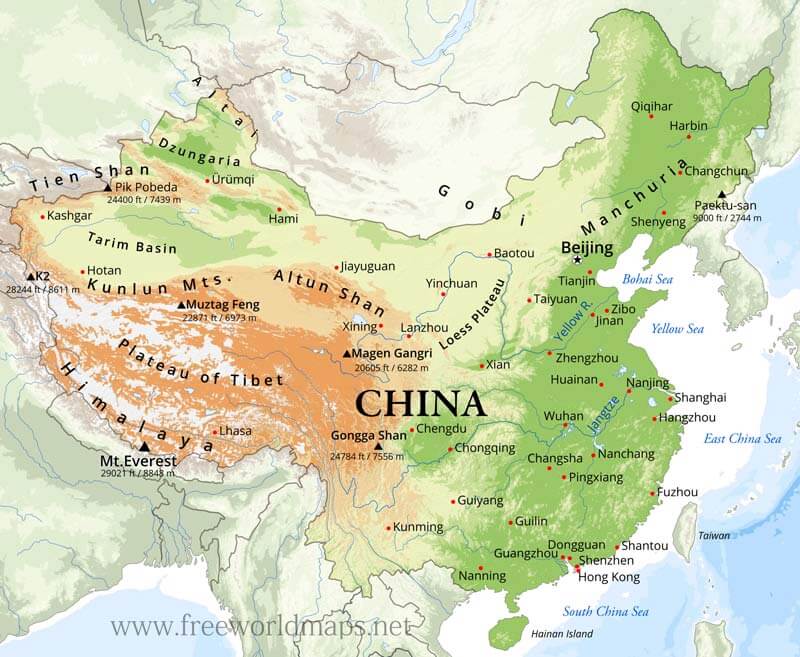
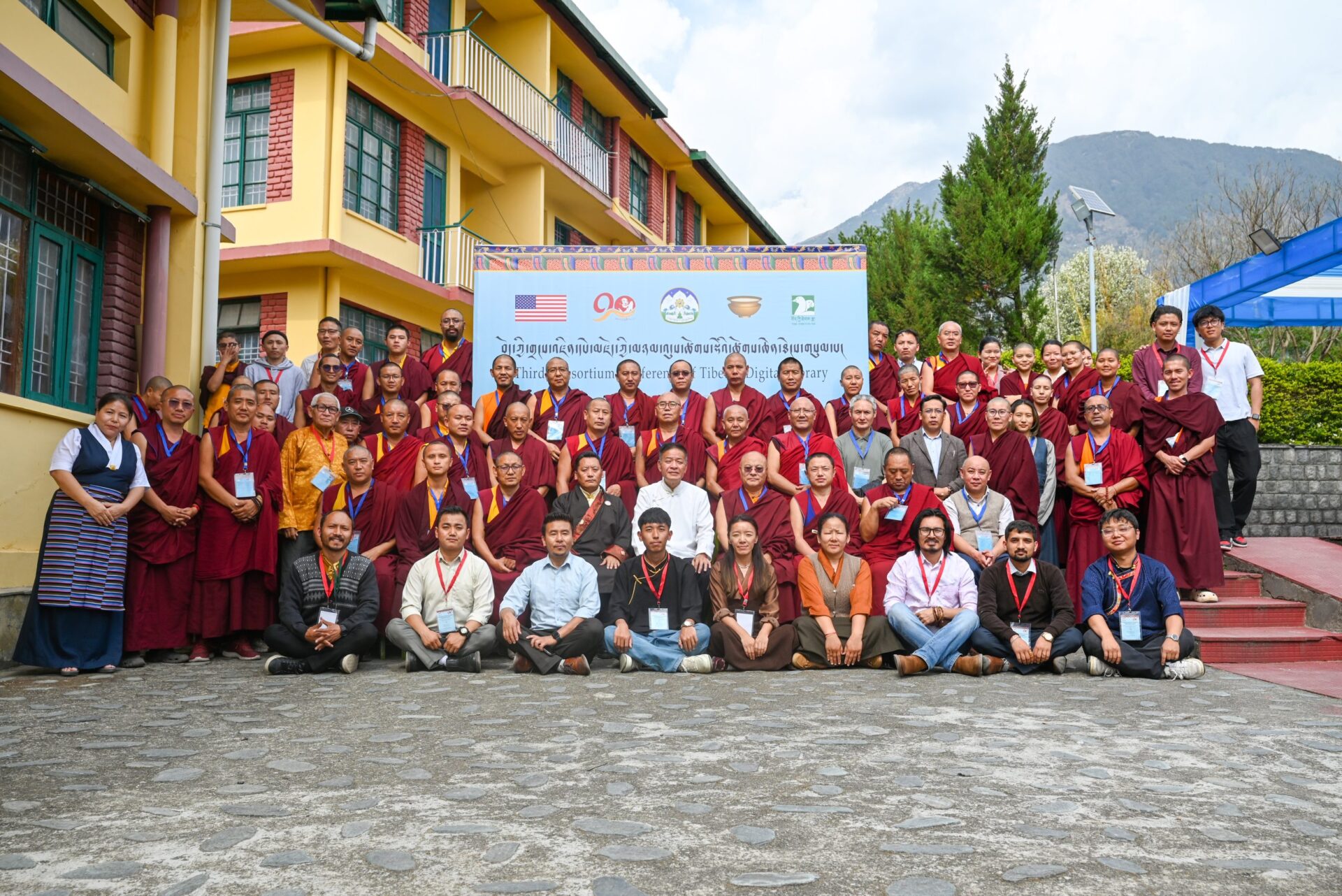
The real-world impact of such policies is already visible in regions like Xinjiang, Tibet, and Inner Mongolia. In Xinjiang, state authorities have justified extensive surveillance and detention measures targeting Uyghur Muslims under the banner of counterterrorism. In Tibet, longstanding restrictions on language and religious practices have drawn international scrutiny. Meanwhile, in Inner Mongolia, the replacement of Mongolian-language instruction with Mandarin curricula has triggered protests and widespread concern among local communities.
The new law does not introduce these dynamics—it consolidates and formalises them within a national legal framework.
Equally troubling is the law’s reliance on vague and expansive terminology. Provisions that criminalise acts deemed to “undermine ethnic unity” or promote “ethnic separatism” grant authorities sweeping discretionary powers. Such terms lack precise legal definition, creating space for broad interpretation and potential abuse. Peaceful expressions of cultural identity—whether through language advocacy, religious practice, or community organising—risk being reframed as threats to state security.
This ambiguity is not incidental; it is central to how the law operates.
Human rights organisations have warned that the legislation represents a significant escalation in China’s assimilationist policies. Reports indicate that minority language education has already been curtailed in several regions, cultural expressions increasingly censored, and community leaders silenced. By codifying these practices into law, the state transforms policy preferences into binding obligations.
The economic implications are also significant. By making Mandarin proficiency a prerequisite for access to education, employment, and social mobility, the law risks institutionalising structural inequality. Minority communities—particularly those in rural or linguistically distinct areas—may find themselves systematically disadvantaged. What is presented as integration could, in practice, deepen marginalisation.
Beijing, however, defends the law as a necessary response to security challenges. Officials argue that linguistic unity strengthens governance, reduces social fragmentation, and helps combat extremism. No state can ignore legitimate security concerns. But critics contend that conflating cultural diversity with security threats undermines both human rights and long-term stability.
True cohesion, they argue, cannot be achieved through coercion. It requires inclusion, mutual respect, and the protection of fundamental freedoms. A system that conditions participation in national life on the abandonment of cultural identity risks alienating the very populations it seeks to integrate.
Perhaps the most controversial aspect of the law is its extraterritorial scope. By asserting that individuals outside China may be held accountable for actions deemed harmful to “ethnic unity”, Beijing signals an expansion of its legal and ideological reach beyond its borders. This raises serious concerns about transnational repression, particularly for diaspora communities, academics, and activists.
It also presents a challenge for the international community, which must grapple with the implications of a state extending its domestic political framework into the global arena.
At its core, the “Ethnic Unity” law exposes a fundamental paradox within China’s governance model. The state presents itself as a steward of a “multi-ethnic nation”, yet advances policies that narrow the space for genuine diversity. It invokes unity, yet enforces uniformity. It speaks of harmony, yet sidelines the voices that make such harmony meaningful.
This contradiction is not merely rhetorical—it has tangible consequences for millions of people.
For other pluralistic societies, developments in China serve as a cautionary example. Diversity, when protected through legal safeguards and inclusive policies, can be a source of resilience and strength. But when unity is pursued through homogenisation, it risks deepening divisions rather than resolving them.
The broader global implications are equally significant. If left unchallenged, the normalisation of such policies could set a precedent for other governments to justify the erosion of minority rights under the guise of national security and cohesion. At a time when the international human rights framework is already under strain, this represents a troubling trajectory.
The path forward requires sustained and principled engagement. Governments, international organisations, and civil society actors must continue to document developments, amplify the voices of affected communities, and hold states accountable to their international obligations.
Silence, in this context, is not neutrality—it is complicity.
China has the sovereign right to pursue policies aimed at stability and development. But sovereignty does not grant a licence to erase identity, suppress cultural expression, or curtail fundamental freedoms. Unity imposed through coercion may achieve short-term compliance, but it risks long-term instability by eroding trust and legitimacy.
Ultimately, the question is not whether China can enforce this vision of unity. The question is whether a nation can truly be unified when its people are compelled to forget who they are.