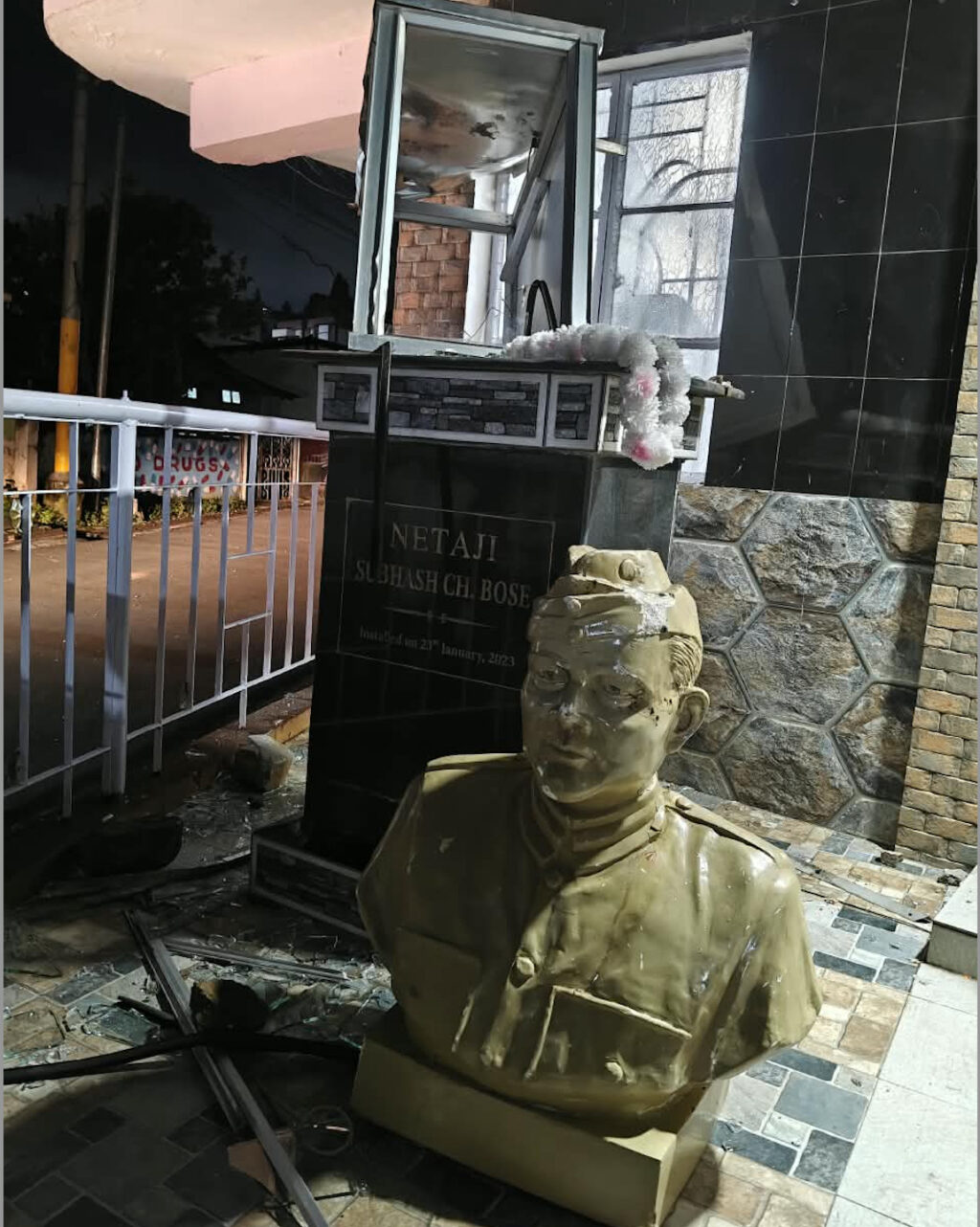
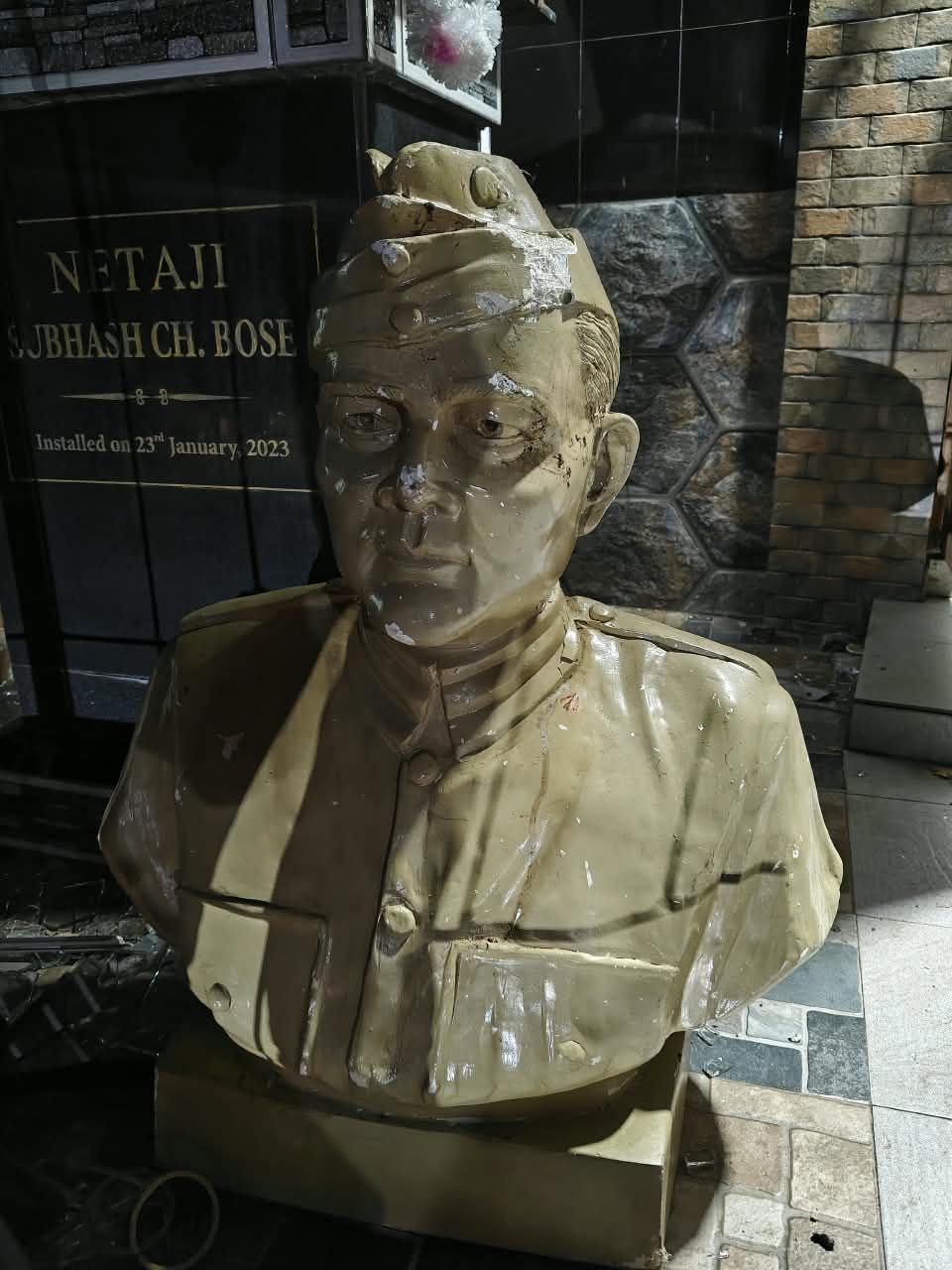
The shattered bust of Netaji Subhas Chandra Bose at the R R Colony Community Hall in Shillong became one of the most disturbing symbols of a protest that began as a political demonstration but descended into a trail of violence, vandalism and public outrage.
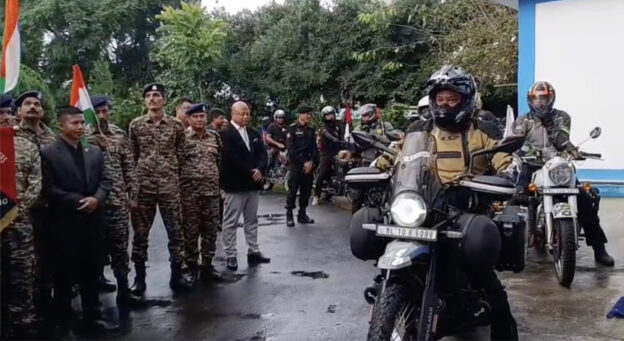
The bust of one of India’s most revered freedom fighters had little, if anything, to do with the purpose of the motorcycle rally organised by the Khasi Students Union (KSU) on Wednesday. Yet it became an unwilling victim of the violence that unfolded as the procession moved through the city, with vehicles damaged, pedestrians assaulted and public property targeted.
The KSU motorcade began from Jaiaw at around 4 pm, passing through various parts of Shillong as the union pressed the Meghalaya Government to act on a five-point charter of demands. These included the cancellation of the public hearing held on July 31 on the proposed Shree Cement project in East Jaintia Hills; full implementation of the Meghalaya Residents Safety and Security Act, 2016; enforcement of the 2024 amendments concerning migrant labour; implementation of the Inner Line Permit; and a reaffirmation of the state’s opposition to uranium mining, among other demands.
The demonstration followed the expiry of a 15-day ultimatum issued by the KSU to the state government. What was intended to be a controlled show of strength, however, quickly spiralled into disorder.
As the rally moved through the city, individuals participating in the procession were seen hurling stones from a minivan accompanying the motorcade. Others allegedly assaulted pedestrians and damaged vehicles, many of them government vehicles, while several vehicles bearing Assam registration numbers were also targeted. Shutters came down rapidly across major commercial areas as shopkeepers and residents sought to protect themselves from the unfolding turmoil.
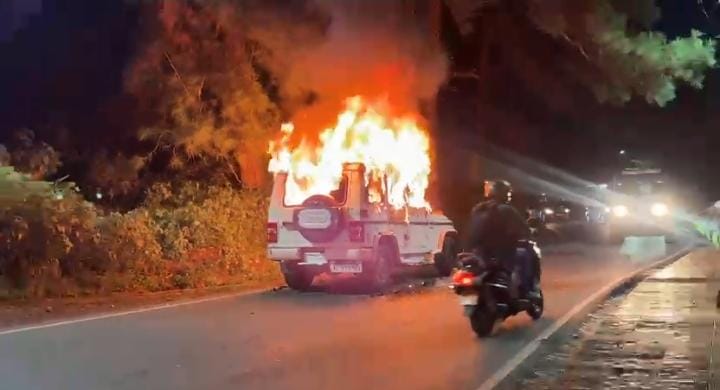
The violence included sporadic incidents of vandalism and the torching of a government vehicle, despite assurances from the KSU leadership that the agitation would remain peaceful.

Yet, beyond the damaged vehicles and the physical assaults, what made the day particularly reprehensible was what happened when the procession reached Rynjah.
There, two icons associated with India’s intellectual, spiritual and nationalist traditions came under attack.
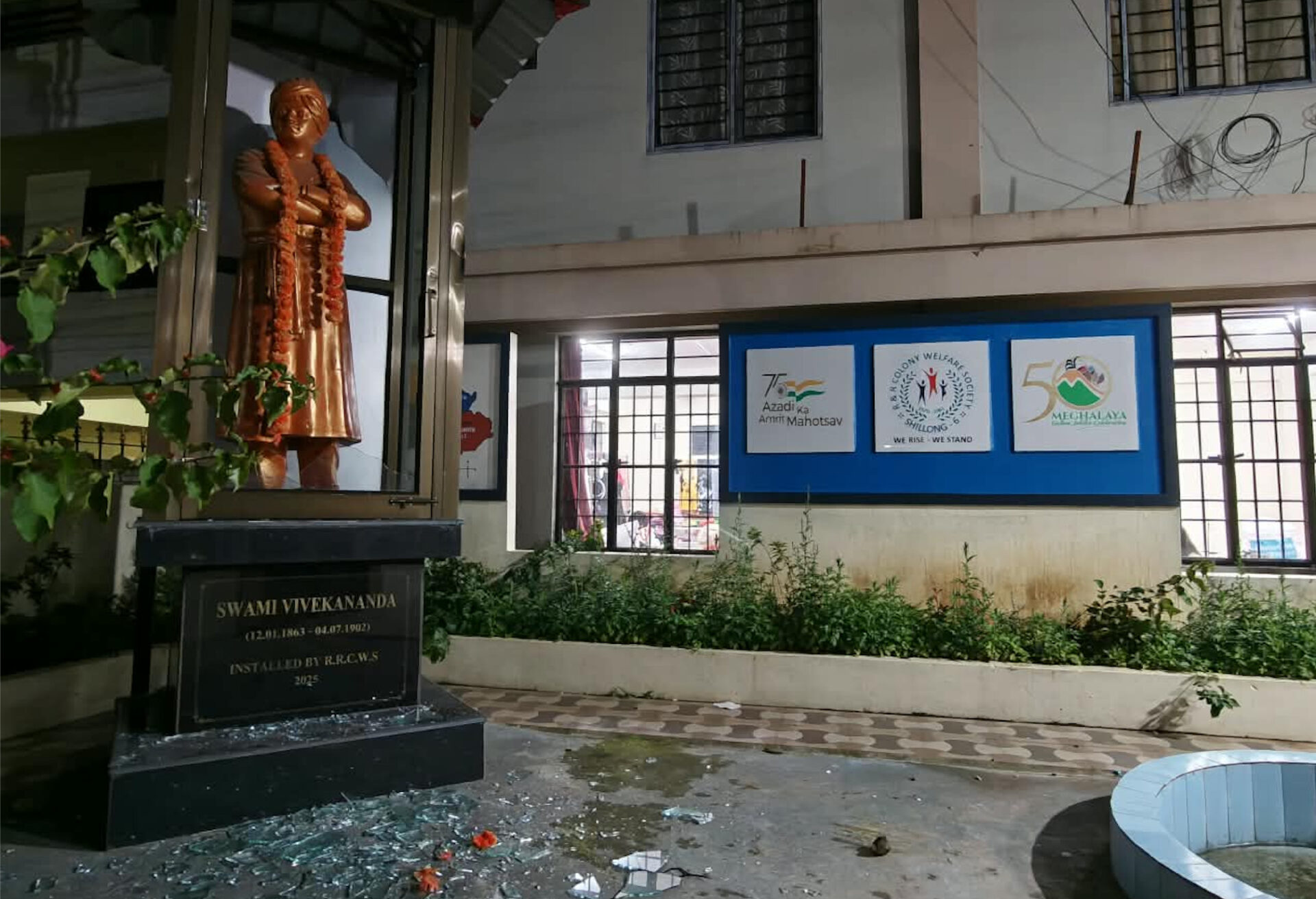
A statue of Swami Vivekananda was first subjected to heavy stone-pelting. The glass enclosure surrounding it was broken and the damage extended inside, although the statue itself remained intact.
Then came the attack on Netaji.
The R R Colony local committee, anticipating trouble, had already asked shops to remain closed during the latter part of the day and urged residents to stay indoors as a precaution. The intention was to keep people away from the unfolding confrontation and prevent any untoward incident.
But no one could have anticipated that the deserted streets would become the setting for an assault on the bust of one of the country’s most iconic freedom fighters.
Footage and video clips recorded by residents of nearby houses and passers-by appear to show a section of the motorcycle-borne participants stopping, getting down and vandalising the bust of Netaji before throwing it onto the street. The fallen bust was then struck by motorcycle tyres and kicked as the procession continued towards Umpling.
It was a sight that carried a particularly painful irony.
Netaji Subhas Chandra Bose was not merely a towering figure of India’s freedom struggle. He was a fierce nationalist, an uncompromising anti-colonial leader and the man whose call of “Give me blood, and I will give you freedom” became one of the defining rallying cries of India’s struggle for independence.
He also had a special connection with Shillong and the Khasi Hills. During his visit to Shillong in September 1938, Bose was deeply impressed by the democratic functioning of the Khasi states. He is remembered for observing: “Those who want to know about democracy should come to the Khasi Hills.”
The irony is difficult to ignore. A man who had looked upon the Khasi Hills as an example of democratic practice was, decades later, represented by a broken bust lying on a Shillong street amid a violent protest.
The same episode also unfolded against the backdrop of an attack on another towering figure of Indian thought and public life. Swami Vivekananda, whose ideas on service, strength and national awakening have resonated across generations, had his statue in Rynjah pelted with stones. Eyewitnesses recounted seeing large stones being carried by people in the procession and used to cause damage to the structures protecting the statues.
Around the same time, stones were also reportedly hurled at Pynthorumkhrah legislator and former Health Minister A L Hek, whose residence is located nearby.
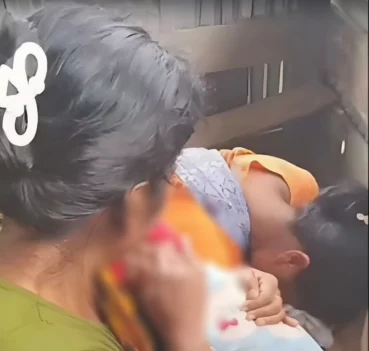
The incidents left residents of the locality furious.
People gathered and demanded justice, describing the attack on Netaji as “an assault on the very ethos of India” that the national hero represented. They called for stern action against those responsible and condemned what they described as “barbaric behaviour”.
Their anger was understandable. Whatever the political grievances behind a protest, the deliberate destruction or desecration of national figures has no place in a democratic movement. Political dissent can be fierce, uncompromising and even confrontational, but it cannot acquire legitimacy by turning against innocent people, public property or symbols that belong to the collective memory of the nation.
The KSU later attempted to distance itself from the violence, saying that the destruction was the work of individuals whom its leadership did not know and who had infiltrated the procession.
That explanation cannot simply be accepted at face value without scrutiny.
The sheer scale and spread of the violence—at R R Colony and elsewhere across Shillong—raises serious questions about how such individuals were able to participate in the procession and act with such impunity. Videos circulating widely on social media appeared to show people who were part of the rally vandalising vehicles, setting a vehicle on fire and physically assaulting passers-by, including elderly people.
If the KSU leadership genuinely had no knowledge of these actions, then the scale of the alleged infiltration itself demands a serious explanation. How did a procession organised by a major student organisation, moving through the heart of Shillong, lose control to such an extent?
That question becomes even more important because the state government has yet to issue a comprehensive statement on the violence.
Apart from East Khasi Hills Superintendent of Police Vivek Syiem speaking to some media outlets, there has so far been no detailed written statement from the district administration addressing the sequence of events and the apparent breakdown of law and order.
The silence from the state’s political leadership is equally striking.
Chief Minister Conrad K Sangma, who is otherwise highly active in communicating government programmes and developments through his public relations machinery and official information channels, had not publicly spoken out on the violence at the time of writing. The protest itself was directed at demands concerning his government, making the absence of a stronger political response all the more conspicuous.
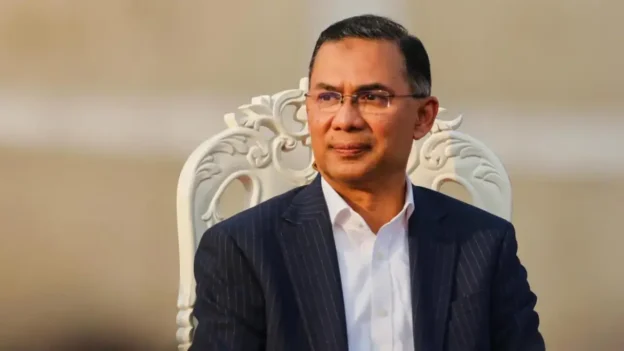
Later in the evening, KSU General Secretary Rueben Anderson Najiar expressed profound shock over the violence and offered a sincere and humble apology to the people of Meghalaya and anyone affected by the vandalism.
Najiar said the union leadership had remained at the front of the procession and became aware of the incidents only after the rally had ended, when footage of the violence began circulating on social media.
He pointed out that the KSU had organised several peaceful public meetings at district headquarters and other locations across Shillong during the preceding two weeks without incident. Those meetings, he said, were conducted after obtaining formal permission from local Dorbars and district authorities and while adhering to law-and-order guidelines.
According to Najiar, the executive body had specifically instructed participants leaving the KSU headquarters to proceed peacefully and maintain strict discipline.
The leadership, he said, had expected between 80 and 100 scooters from the Shillong circles. Instead, the turnout unexpectedly swelled to more than 300 motorcycles.
Najiar maintained that “negative elements” from outside had infiltrated the procession with the intention of provoking law-and-order problems, derailing the KSU’s core issues and damaging the union’s reputation at a time when public agitation against the government was intensifying.
He assured the public that the KSU would conduct a thorough investigation and cooperate with the police and district administration to identify those responsible for the destruction and violence.
The union has also altered its plans for its next major demonstration in response to what it describes as the hijacking of its platform.
The public rally and sit-in demonstration scheduled for August 21 at Khyndailad, which was originally intended to be open to the general public, will now be restricted to members of the KSU Central Executive Council.
Najiar stressed that while the union accepts the anger of the public and takes responsibility for incidents that occurred under its watch, the agitation itself will continue. He said the underlying demands concern the security of the state, employment opportunities and institutional transparency.
Those demands can, and should, be debated in a democracy.
But Wednesday’s events have raised a more fundamental question: what happens to the moral authority of a movement when the manner in which it protests begins to contradict the very values it claims to defend?
In the streets of Shillong, a broken bust of Netaji has now become a painful reminder of that contradiction.
The man who once looked at the Khasi Hills and saw a living example of democracy deserved far better than to have his image kicked, battered and left on a road in the course of a protest ostensibly undertaken in the name of the people.
And Meghalaya, too, deserves better.