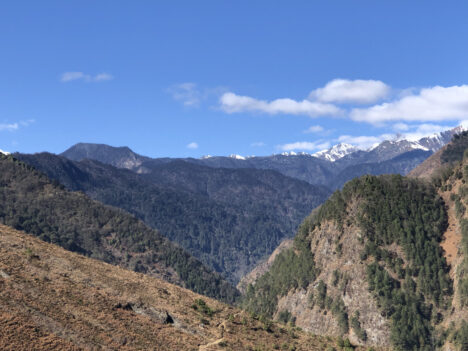
The unveiling of the Shillong Peak Ropeway Project—envisioned as Meghalaya’s premier major passenger cable car initiative—has catalysed a profound conversation regarding the true price of developmental ambition in tribal and ecologically sensitive landscapes. Spanning an estimated outlay between ₹138 crore and ₹175 crore, and presently centered around a ₹151 crore financial footprint, the project links Madan Laban to the scenic heights of the Shillong Viewpoint near the apex of the Shillong Plateau.
Backed by substantial funding arrangements featuring an ₹80.89 crore allocation from the New Development Bank alongside ₹70.11 crore facilitated via the PM-DevINE scheme through the Ministry of Development of North Eastern Region, the engineering blueprint outlines a 913-metre monocable gondola system outfitted with eleven primary passenger cabins and two additional units designed to complete the transit in five to six minutes.
Although the foundational milestone was virtually inaugurated by President Droupadi Murmu on January 16, 2024, physical groundwork commenced in October 2025 under the administrative stewardship of the Meghalaya Ropeway Development Authority via a joint venture partnership between KEC International Ltd and Tantia Construction Ltd, with completion targeted for October 2028.
Official projections champion the initiative as a dual-purpose masterstroke meant to alleviate vehicular congestion and emissions along winding routes heading toward Shillong Peak—where military and Air Force installations frequently restrict public transit—while simultaneously boosting regional tourism and generating over 450 direct and indirect employment opportunities.
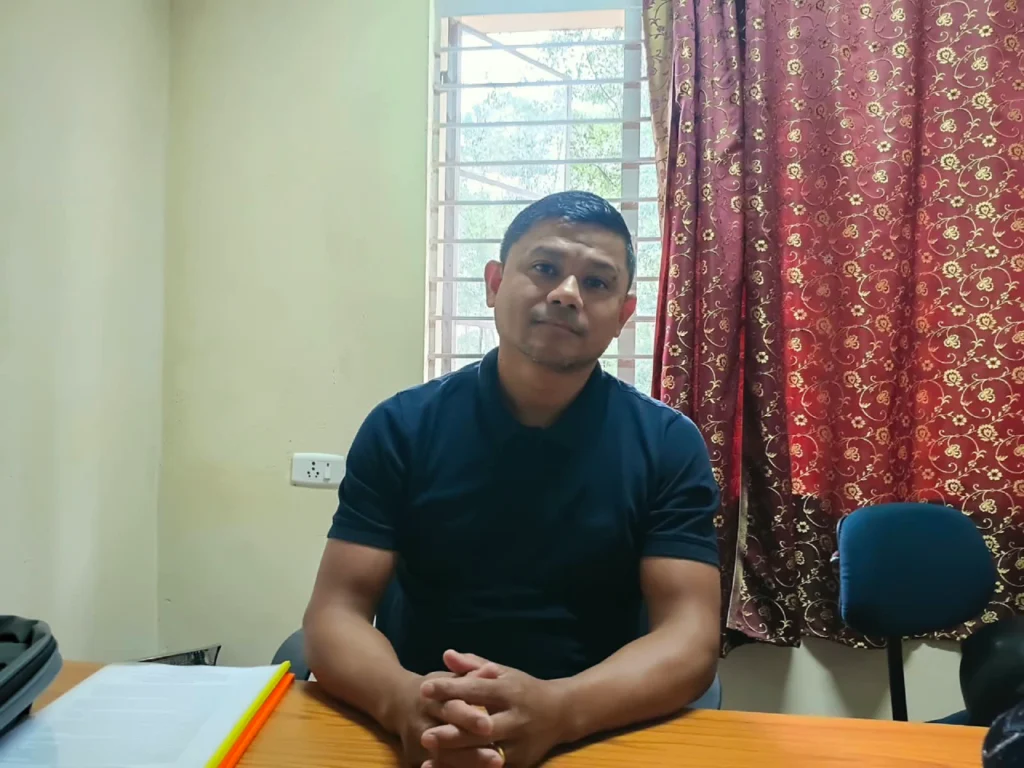
Yet, shifting our analytical gaze from executive blueprints to the grounded realities articulated by Dr. Benjamin F. Lyngdoh, Professor at the Department of Tourism and Hotel Management, exposes a starkly different narrative defined by structural opacity, ecological distress, and deep-seated community alienation. From its inception, the undertaking suffered from a critical lack of transparency, reflecting a recurring governmental failure to abide by established statutory protocols mandated for high-value mega projects crossing the ₹150 crore threshold.
In regions safeguarded by the Sixth Schedule of the Indian Constitution, due process requires rigorous public consultations and transparent disclosures involving traditional institutions such as local dorbar shnongs.
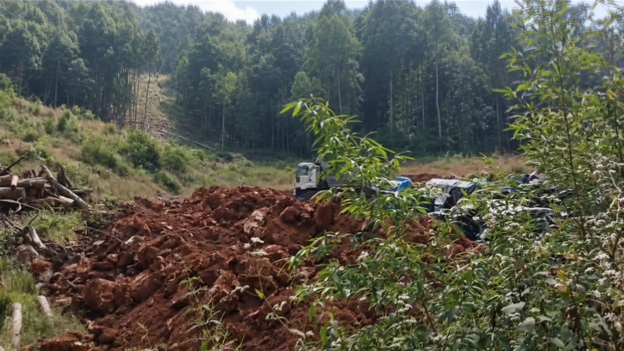
The absence of open public hearings left local residents entirely in the dark regarding foundational assessments, creating a scenario where communities remained oblivious to the vetting process until the sudden, jarring felling of over 500 mature trees laid bare the physical magnitude of the project. Had inclusive governance and strict procedural compliance guided the formative stages, the ensuing cycle of public friction and civic resistance could have been largely preempted.
This pattern of executive opacity is hardly an isolated anomaly within Meghalaya’s recent developmental history, echoing the intense public resistance that accompanied comparable ventures like the Shree Cement Ltd initiative and the Lumpongdeng project. Dr. Lyngdoh emphasizes that such civil friction is the direct byproduct of top-down administrative execution that bypasses meaningful stakeholder consent. On the critical question of hydrological preservation, accountability remains worryingly ambiguous.
While administrative agencies and assessments from the Shillong Municipal Board and the Public Health Engineering department maintain that local water tables will remain undisturbed, definitive empirical proof guaranteeing absolute safety is conspicuously absent. Meanwhile, the ecological footprint of removing more than 500 mature trees constitutes an undeniable crisis for the local habitat.
Measured against the Brundtland Commission’s foundational principles of sustainable development established under the United Nations—which dictate that resource utilization must meet present demands without compromising the ecological inheritance of future generations—the project’s heavy deforestation without rigorous, publicly vetted cost-benefit accounting represents a profound ethical and environmental breach.
While defenders of the project often argue that environmental dynamics operate on a macro scale where regional reforestation efforts might offer long-term carbon offsets, the immediate ecological blow dealt to Shillong Peak and Laban represents an acute, localized shock to microclimates and biodiversity.
In fragile montane ecosystems, the loss of even a single tree disrupts nesting birds, foraging wildlife, and interconnected habitats, rendering the removal of over 500 large specimens a severe environmental blow. Development inherently entails trade-offs, but proceeding in the absence of transparent environmental impact disclosures and comprehensive cost-benefit studies inevitably alienates indigenous populations.
Furthermore, the distinct land ownership frameworks prevailing across the region preclude unilateral government acquisition without the explicit, voluntary consent of customary bodies and traditional landowners, elevating absolute transparency from a mere administrative courtesy to an absolute prerequisite for successful public infrastructure.
Shifting the lens to urban planning and locational suitability reveals equally pressing vulnerabilities concerning the choice of Laban as a primary transit terminal. Laban lacks the fundamental road infrastructure required to absorb high volumes of incoming tourist vehicular traffic, relying instead on narrow residential lanes rather than wide arterial corridors.
Any attempt to widen these internal routes would demand sweeping property acquisitions, widespread community displacement, and additional tree felling, compounding existing environmental degradation. Sound urban planning would have dictated positioning the terminal away from dense residential heartlands, selecting alternative access points isolated from historic community pathways to preserve local residential tranquility and spatial integrity.
A critical appraisal of the economic and tourism dividends projected by state planners further suggests that anticipated local employment and revenue streams may be heavily exaggerated.
While ropeways undeniably serve as striking tourist magnets in various global contexts, observational realities across comparable Indian destinations indicate that visitors typically arrive, complete the brief cabin ride, spend minimal time at terminal gift shops or food stalls, and depart promptly.
Tourists utilizing the cable car are statistically unlikely to extend overnight stays or patronize local commerce beyond fast-food vendors, generating minor rather than transformative local employment opportunities.
Moreover, the technical maintenance and operational control of sophisticated monocable gondola infrastructure demand specialized engineering expertise currently scarce within the local workforce, meaning high-level technical management will likely be imported from outside the state, reducing local job optimization to low-tier passenger handling roles.
Ultimately, viewed through this comprehensive analytical lens, the Shillong Peak Ropeway Project transcends its engineering specifications to stand as a vital lesson in public administration. It illustrates unequivocally that major infrastructure cannot achieve sustainable success in tribal and scheduled areas without genuine stakeholder inclusion, rigorous public disclosures, and an unwavering commitment to environmental ethics. Without transparent, collaborative governance from the foundational stages onward, developmental initiatives will continually encounter profound resistance from indigenous communities striving to safeguard their ecological heritage, customary identity, and generational home.