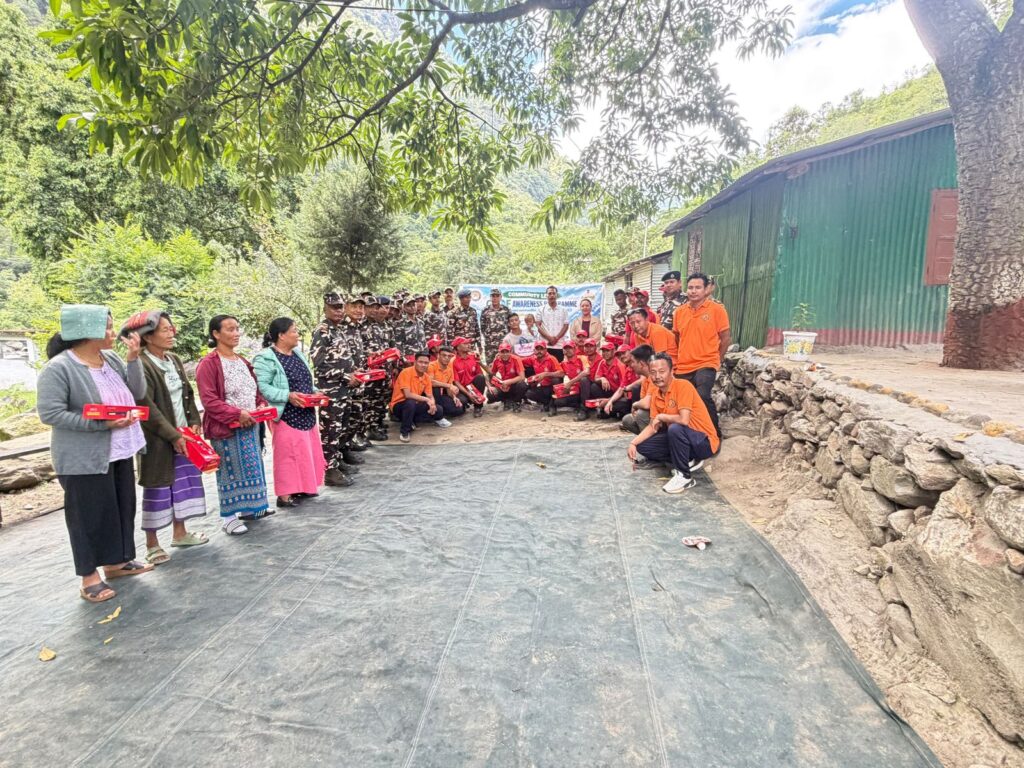
A five-day awareness and sensitisation programme on Glacial Lake Outburst Flood (GLOF) risks was held recently in Arunachal Pradesh’s Tawang district, with disaster management officials emphasising the need for stronger preparedness among communities living downstream of high-risk glacial lakes in the Mago and Sela regions.
The campaign concluded at the Sashastra Seema Bal (SSB) Outpost at Donghseng Mang in Lungla, where SSB personnel and local residents participated in discussions on flood risks, early warning mechanisms and emergency evacuation procedures.
The initiative comes amid growing concerns over the vulnerability of Himalayan settlements to sudden glacial lake outbursts, which can release enormous volumes of water and debris into downstream valleys with little warning.
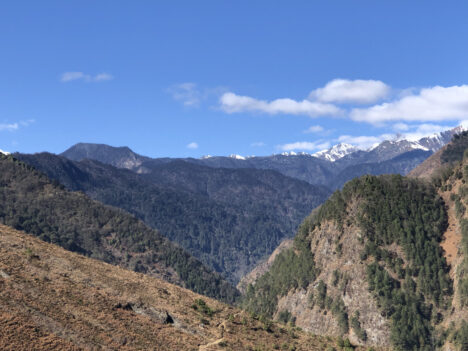
Tawang faces particular risks because of its location in the eastern Himalaya. In the Mago region alone, at least seven high-risk glacial lakes have been identified, six of which drain into a common channel passing through several settlements, including Duri. Across Arunachal Pradesh, the National Disaster Management Authority (NDMA) has identified 27 high-risk glacial lakes spread across five districts.
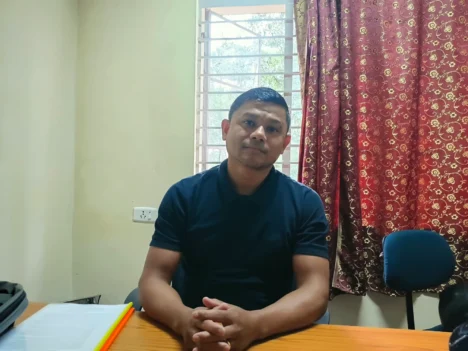
Addressing participants at the concluding programme, Tawang District Disaster Management Officer (DDMO) Genden Tsomu stressed the importance of awareness, vigilance and locally available early warning mechanisms in reducing risks to vulnerable communities.
She highlighted the low-lying location of the SSB camp at Donghseng Mang and the need for effective evacuation planning. Tsomu urged participants to ensure that warnings of possible flash floods or other emerging threats are communicated immediately to neighbouring settlements.
Dr Bhupen Mili, Senior Consultant, explained the causes and potential consequences of glacial lake outbursts, including the estimated time floodwaters could take to reach the Donghseng Mang SSB camp following an outburst.
He also briefed participants on safe evacuation routes, identified locations where people could seek shelter and emphasised the importance of coordinated action among communities, security personnel and disaster management authorities.
As part of the campaign, similar awareness programmes were organised at Chaksam, Phongda, Grangkhar and Khet Bridge, covering settlements considered vulnerable to flooding from high-altitude glacial lakes.
At Chaksam, Zilla Parishad Member Kyidphel Tenzin Monpa and Assistant Commissioner Sange Norbu participated in the programme and interacted with residents on disaster preparedness.
During the visit to Grangkhar, officials identified the village as highly vulnerable and advised residents to identify safe locations and evacuation routes that could be used in the event of a GLOF or flash flood emergency.
Personnel of the State Disaster Response Force (SDRF) conducted practical training sessions throughout the five-day campaign, demonstrating life-saving skills, search and rescue techniques and emergency response procedures.
The training was particularly significant for remote mountain settlements, where difficult terrain and limited connectivity can delay the arrival of outside assistance during emergencies.
The programme also focused on improving communication between local communities, security forces and the district administration, with particular emphasis on timely warnings and adherence to official advisories.
The importance of such preparedness has become increasingly evident following a series of devastating glacial floods across the Himalayan region.
One of the most destructive recent examples occurred in Sikkim on 3 October 2023, when a glacial lake outburst at South Lhonak Lake triggered a massive flood along the Teesta River. The disaster destroyed the Teesta III hydropower dam at Chungthang and caused extensive damage to roads, bridges, settlements and other infrastructure. At least 55 people were killed, while 74 were reported missing.
Neighbouring Nepal has also experienced repeated glacial flood disasters. In 1985, the Dig Tsho lake outburst in the Khumbu region destroyed a nearly completed hydropower project, besides damaging bridges, agricultural land and other infrastructure.
In July 2025, a sudden flood originating from a glacial lake in Tibet struck the Rasuwagadhi border region of Nepal, killing several people and damaging infrastructure along the Bhote Koshi corridor.
Another major flood in the same transboundary region in August 2026 highlighted the speed at which glacier-related hazards can develop. Preliminary assessments pointed to a large glacier and rock collapse that generated a destructive debris flow, leaving downstream communities with very little time to respond.
These incidents have reinforced concerns over the growing risks associated with glacial lakes in the Hindu Kush Himalayan region, where rising temperatures, glacier retreat and unstable mountain slopes are contributing to changing patterns of natural hazards.
They have also demonstrated the importance of early warning systems and community-level preparedness, particularly in remote border areas where settlements, roads and security installations are often situated along narrow river valleys.
For Tawang, the challenge is not limited to identifying potentially dangerous lakes. Equally important is ensuring that downstream communities understand the risks, receive timely warnings and know how to respond before floodwaters reach their settlements.
The five-day campaign sought to address these concerns by familiarising residents and security personnel with locally available warning mechanisms, evacuation procedures, safe locations and coordinated emergency responses.
Officials also underscored the importance of community participation in disaster risk reduction, encouraging residents to remain alert to official warnings and follow instructions issued by the district administration and disaster management authorities.
The programme concluded with an emphasis on strengthening local preparedness and improving coordination among communities, security forces and emergency response agencies.
For vulnerable settlements such as Duri, Grangkhar and Donghseng Mang, the initiative represents an important step towards improving awareness, strengthening early warning communication and ensuring that residents are better prepared to respond to potential glacial flood emergencies.