A fresh diplomatic strain appears to be brewing between Bangladesh and India, after Dhaka formally protested remarks made by Himanta Biswa Sarma—comments that could disrupt the fragile thaw in bilateral ties.
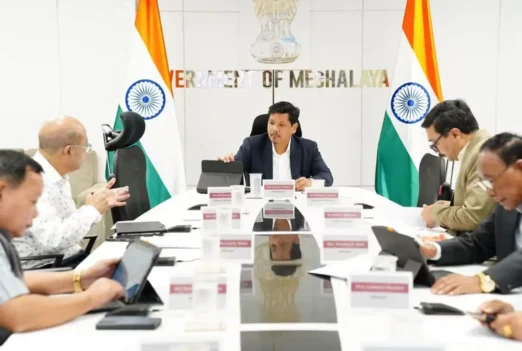
On Thursday, Bangladesh summoned Acting Indian High Commissioner Pawan Badhe to its Ministry of Foreign Affairs, where a formal note of protest was conveyed over what it described as “anti-Bangladesh” statements by the Assam Chief Minister. The move signals Dhaka’s unease at a moment when both sides have been attempting to recalibrate relations.
The controversy stems from a recent media interview in which Sarma commented on India–Bangladesh relations and border management. According to Bangladeshi media reports, his remarks have emerged as a fresh irritant, raising concerns that they could undermine ongoing efforts to stabilise ties.
Diplomatic sources in Dhaka described the statements as inappropriate and potentially damaging. The Bangladeshi government maintained that public pronouncements of this nature are counterproductive and risk straining relations between the two neighbouring countries.
As highlighted in Bangladeshi media, including the Dhaka Tribune, officials emphasised the need for restraint when addressing sensitive bilateral issues, underscoring that careful messaging is essential to preserving a cooperative relationship.
At the centre of the row are remarks attributed to Sarma in which he is reported to have suggested that strained India–Bangladesh relations were, from Assam’s perspective, preferable.
The comments have drawn particular attention given Sarma’s consistent political positioning on migration. In an earlier interview with an Indian national television, he had acknowledged the complexity of formally deporting individuals suspected of being undocumented migrants, citing procedural requirements involving the Ministry of External Affairs and coordination with Bangladeshi authorities.
In the interview He had also claimed that state authorities have, in some instances, resorted to informal “pushback” measures—allegedly sending individuals across the border under the cover of night through less monitored stretches. Such assertions, if accurate, raise significant legal and diplomatic concerns, particularly given the structured mechanisms that exist for repatriation.
Notably, India and Bangladesh do have a formal extradition framework. The India–Bangladesh Extradition Treaty provides for the transfer of fugitives and criminal suspects, subject to conditions such as dual criminality. While it does not directly govern all migration-related cases, it underscores the existence of established bilateral processes—contrary to claims that no such mechanisms exist.
Sarma further stated that around 1,400 suspected “infiltrators” had been pushed back this year through border areas lacking regular patrol presence. He suggested that individuals identified as non-citizens are taken to “convenient locations” and physically forced across—remarks that have intensified scrutiny of enforcement practices along the border.
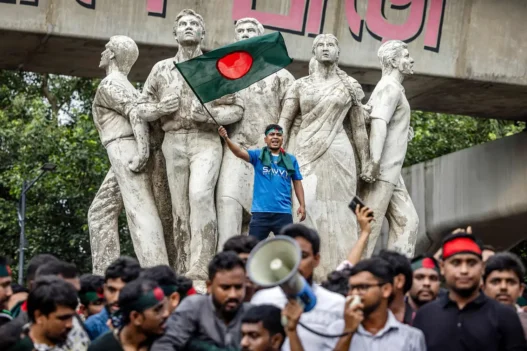
These developments come at a delicate juncture in India–Bangladesh relations. Ties had deteriorated sharply during the tenure of Muhammad Yunus, who assumed leadership following the ouster of Sheikh Hasina in August 2024. However, recent months have seen cautious efforts on both sides to rebuild engagement.
Under the current leadership of Tarique Rahman, Dhaka has signalled a willingness to re-establish structured political dialogue. In a notable outreach, Rahman proposed formal communication channels between the Bangladesh Nationalist Party (BNP) and India’s Bharatiya Janata Party (BJP), seeking to restore political engagement after a period of strain.
This diplomatic reset has also been reflected in recent high-level interactions. Bangladesh’s Foreign Minister Dr. Khalilur Rahman visited New Delhi from April 7 to 9, 2026—the first such engagement since the BNP government assumed office. The discussions focused on reviving cooperation in key areas, including energy, trade, visa regimes, and broader connectivity initiatives.
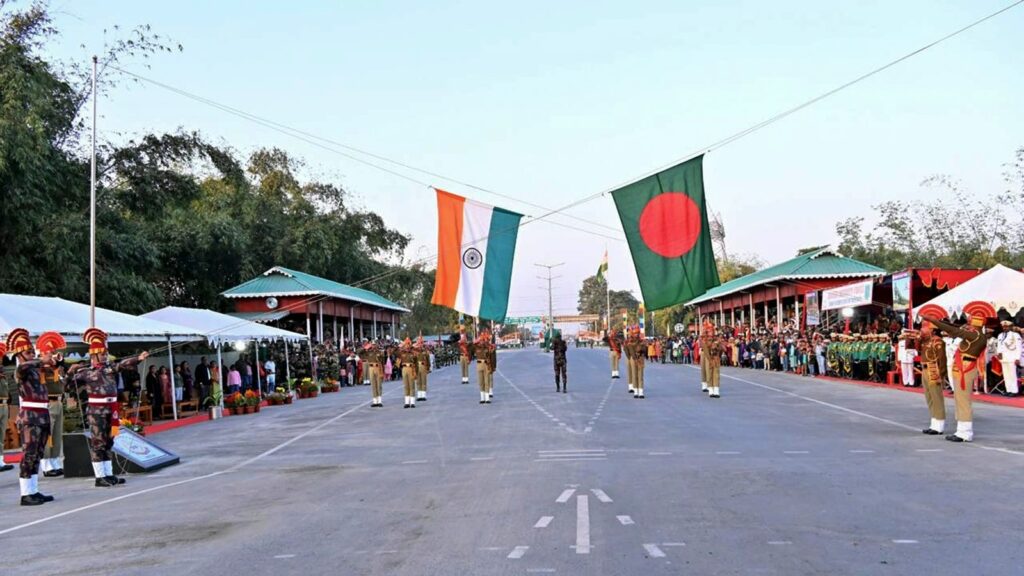
Against this backdrop, Dhaka’s sharp response to Sarma’s remarks underscores how sensitive the relationship remains. While both governments have taken steps to stabilise ties, statements that touch on migration, border practices, and sovereignty continue to carry the potential to trigger friction.
For New Delhi, the priority is likely to remain the consolidation of recent diplomatic gains and the restoration of a stable working relationship. For Dhaka, the episode serves as a reminder that even as formal channels reopen, the tone and tenor of political rhetoric will play a decisive role in shaping the future of bilateral engagement.