The upcoming Census 2027 has triggered a growing controversy in Meghalaya, bringing into focus a tension between administrative requirements and the right to education. From Shillong to the remote areas of East Jaiñtia Hills, opposition is steadily building against the government’s long-standing practice of appointing school teachers as census enumerators. Critics argue that the approach is outdated and risks undermining the academic future of students.
The concern is particularly sharp in a state where a large number of educated but unemployed youth are actively seeking work. Many argue that continuing to rely on teachers, despite this available workforce, reflects a lack of administrative adaptation to changing ground realities.
Historically, teachers were chosen for such duties because they were often the only literate individuals in rural areas. This made them a natural choice for enumeration exercises that required basic documentation and data collection skills.
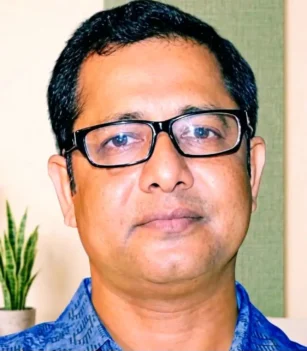
However, a local teacher, Babu Kular Khongjirem, pointed out that the situation has changed significantly over time. He noted that even in interior regions today, there is no shortage of educated residents capable of undertaking such responsibilities.
According to him, the continued reliance on teachers reflects administrative inertia rather than necessity. He also criticised the practice of issuing direct appointment orders through the Shillong Municipal Board, bypassing school principals entirely.
This, he said, has created confusion and resentment within school management. Principals, who are best placed to assess staff availability and health conditions, are being sidelined in decisions that directly affect the functioning of schools.
The logistical demands placed on teachers have also drawn serious concern. They are required to undergo training and then spend up to 45 days conducting household visits as part of the enumeration process.
This comes at a time when the Directorate of Educational Research and Training (DERT) has already assigned an extensive syllabus. In addition, teachers are required to complete mandatory MTET training, further stretching their workload.
Teachers argue that such prolonged field duties leave classrooms unattended. The absence of educators for extended periods raises questions about continuity in teaching and the overall quality of education being delivered.
This “trade-off” between census responsibilities and classroom teaching is increasingly being viewed as a violation of the Right to Education (RTE) Act. Critics argue that diverting teachers away from their primary role directly impacts students, particularly in areas where educational resources are already limited.
Taking a firm legal position, the Jaiñtia National Council (JNC) Khliehriat Circle has formally petitioned the Deputy Commissioner to halt the deployment of teachers for census work. The move reflects growing institutional resistance to the policy.
The petition, led by Working President Diamon Bareh and General Secretary Symboh Baiar Sumer, cites Section 27 of the RTE Act. The provision clearly prohibits the use of teachers for non-educational duties during instructional hours.
The council also raised questions about the utilisation of the ₹11,718.24 crore budget allocated by the Union Government for Census 2027. It argued that such a substantial allocation should enable the hiring of “civilian enumerators.”
Instead, the continued dependence on teachers has been described by the JNC as “administrative laziness paid for by tribal children.” The criticism is particularly sharp given the limited effectiveness of self-enumeration systems in rural areas with poor internet connectivity.
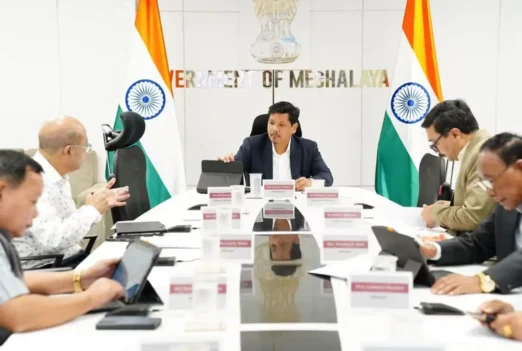
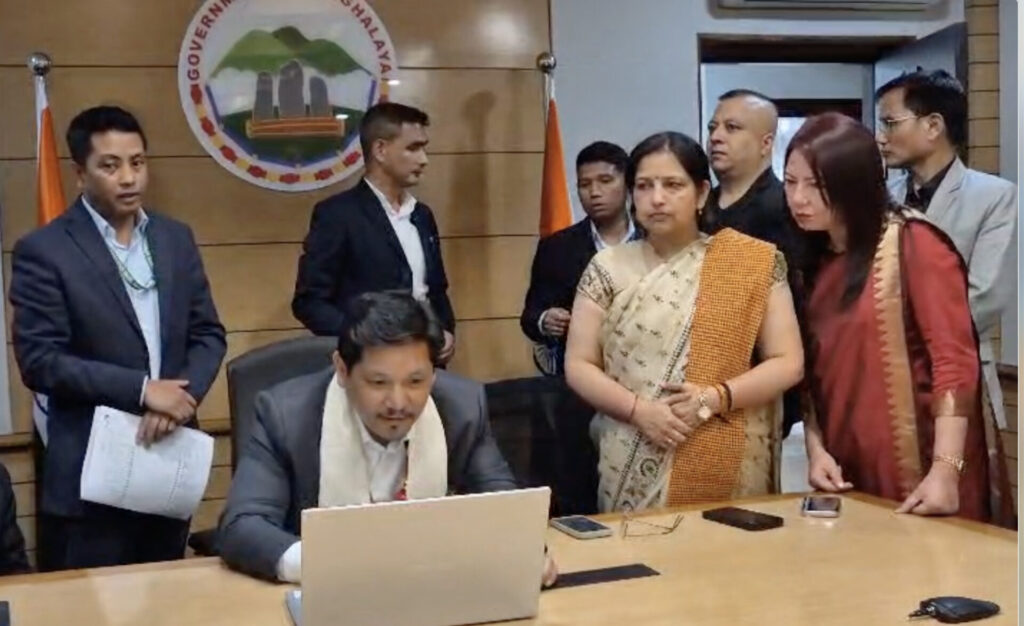
In response to the mounting concerns, Meghalaya’s Minister in-charge of General Administration, Sosthenes Sohtun, has sought detailed reports from Deputy Commissioners. The move indicates that the government is reviewing the situation.
At the same time, the government has maintained that teachers can carry out enumeration duties after school hours. It has described the workload of covering six to ten households per day as “reasonable.”
However, the teaching community has expressed scepticism over this assessment. Teachers argue that they cannot be expected to function beyond their limits under such demanding conditions.
They point out that managing a full day of teaching and then undertaking physically demanding fieldwork—often involving travel to remote households—is not practical. The expectation, they say, fails to account for the realities on the ground.
As Meghalaya prepares for its first fully digital census, the debate continues to centre on balancing administrative efficiency with educational priorities. The issue has now taken on broader significance, extending beyond logistics to questions of governance and policy direction.
The JNC and local educators have urged the government to collaborate with Shnongs (village councils) to identify and employ educated unemployed youth as enumerators. This, they argue, would be a more practical and inclusive approach.
Such a move could address unemployment among the younger population while ensuring that classroom teaching remains uninterrupted. It would also align administrative practice with present-day realities.
For now, students across East Jaiñtia Hills and other parts of Meghalaya remain caught in the middle of this ongoing debate. Their education hangs in the balance as the state navigates the challenges of conducting a digital census without disrupting its schooling system.