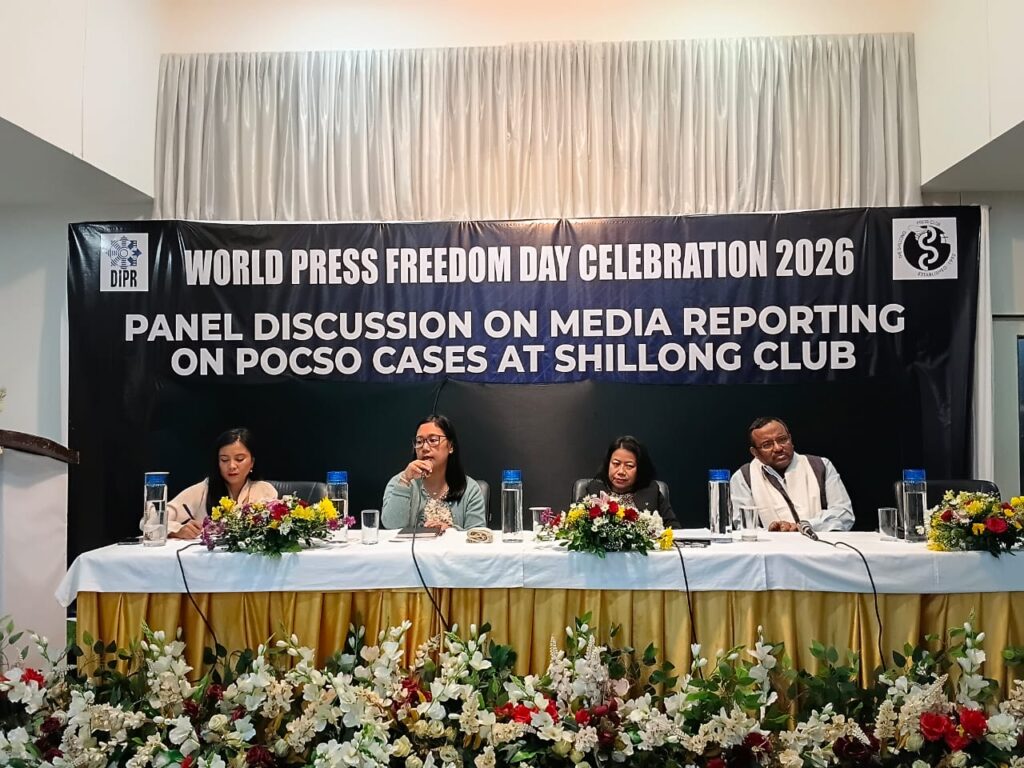
The 2026 observance of World Press Freedom Day in Shillong brought together journalists, legal experts, police officials and child rights advocates to discuss the challenges of reporting cases under the Protection of Children from Sexual Offences (POCSO) Act. Centered on the theme “Media Reporting on POCSO Cases,” the event highlighted the need to balance press freedom with the protection of child survivors.
The programme was inaugurated by Meghalaya State Commission for Protection of Child Rights Chairperson Agatha K. Sangma along with Advocate N. G. Shylla. Speakers stressed that India’s legal framework in POCSO cases is survivor-centric and designed to prevent further trauma to children during legal proceedings.
During the discussion, legal experts noted that in sexual offence cases, which often occur away from public scrutiny, the testimony of the survivor can itself become crucial evidence for conviction. They also clarified that the absence of physical injuries does not imply consent, particularly in cases involving minors who may be subjected to fear, coercion or intimidation.
The panel acknowledged challenges such as delays in forensic processes but pointed out that special POCSO courts have been established to ensure quicker and more focused handling of such cases.
Beyond legal proceedings, the discussion also focused on rehabilitation and long-term support for survivors. Through the State and District Legal Services Authorities, survivors are connected with educational opportunities, vocational training and rehabilitation programmes aimed at helping them rebuild independent lives.
East Khasi Hills DSP Crime Bipul Das spoke about the practical challenges faced by investigators and the media during sensitive cases. He said police must strike a balance between transparency and protecting the integrity of ongoing investigations. Releasing excessive details publicly, he noted, could allow accused persons to shape their defence or interfere with investigations.
A major focus of the session was the legal responsibility of journalists while reporting POCSO cases. The panel highlighted that under the law, revealing the identity of a minor survivor is a criminal offence. This extends not only to names, but also to indirect identifiers such as village names, family details or information that could expose the child’s identity.
Speakers also discussed situations where children initially reported as missing later emerge as victims of sexual offences. In such instances, journalists were urged to remove previously published photographs or identifying information from digital platforms to safeguard the child’s future and privacy.
The panel further warned that media organisations relying on rumours or unverified claims instead of official information could face civil and criminal defamation proceedings. At the same time, it was stressed that accused individuals also have legal rights if they are publicly defamed without evidence.
One of the key debates during the event centered on whether the POCSO Act should be amended to allow greater transparency in reporting. However, legal experts and child rights advocates strongly defended the existing safeguards, arguing that trauma should not be treated as part of a media cycle.
According to the panel, public exposure can deepen psychological harm and social stigma for survivors, affecting their long-term healing. The experts maintained that the strict confidentiality provisions of the law exist to ensure children can recover with dignity and privacy.
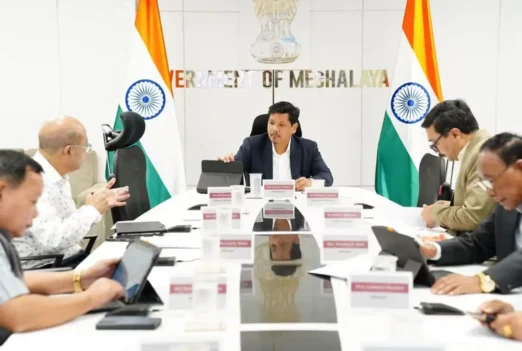
The official function was attended by Meghalaya Information and Public Relations Minister Lahkmen Rymbui as the Chief Guest along with DIPR Director B.S. Sohliya.
In his address, Rymbui praised Meghalaya’s tradition of free expression but cautioned against the growing “tabloidization” of news. He observed that since the COVID-19 pandemic, traditional journalism has increasingly faced competition from social media content creators and misinformation.
The minister urged journalists to remain factual, responsible and adaptive, stating that democracy depends on credible reporting that informs rather than sensationalises.
Director B.S. Sohliya also emphasized that press freedom must be accompanied by accountability. He said responsible journalism requires verification of facts and balanced reporting before information is published.
The programme concluded with a collective call for cooperation between the media, law enforcement agencies and child rights bodies. Representatives of the Meghalaya Editors and Publishers Association, police officials and members of the Child Rights Commission agreed that reporting on POCSO cases must remain sensitive, accurate and respectful of survivors’ dignity.
The event ended with a strong message that while the press plays a vital role in defending democracy, its freedom must also be exercised with compassion and responsibility toward the most vulnerable sections of society.