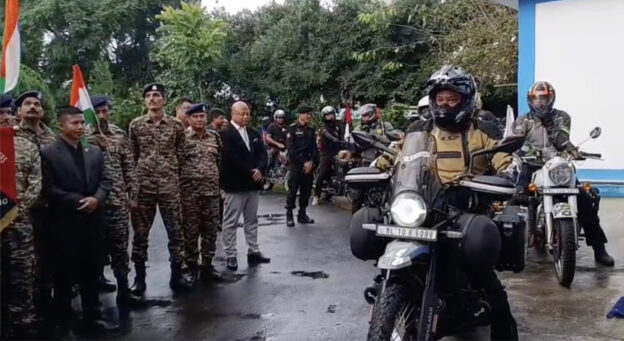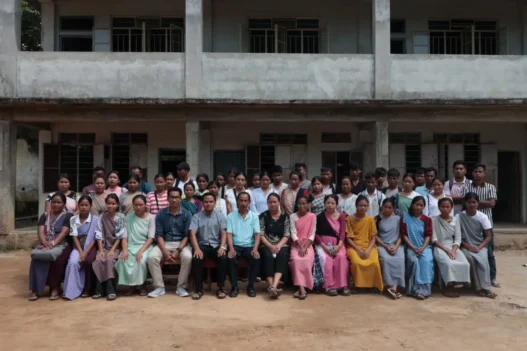
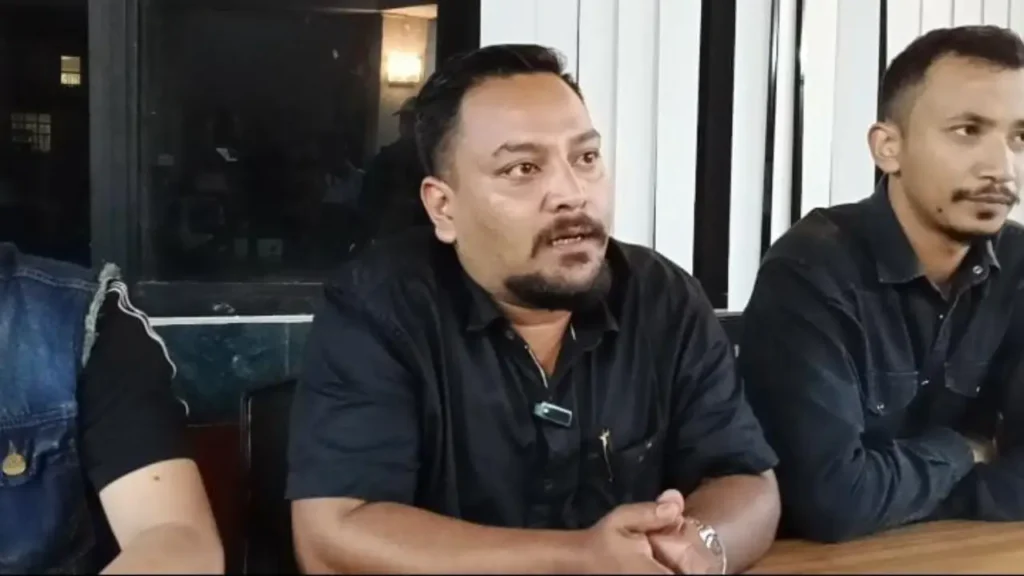
Police on Wednesday night arrested three senior Khasi Students’ Union (KSU) leaders in connection with the violence during Tuesday’s bike rally in Shillong.
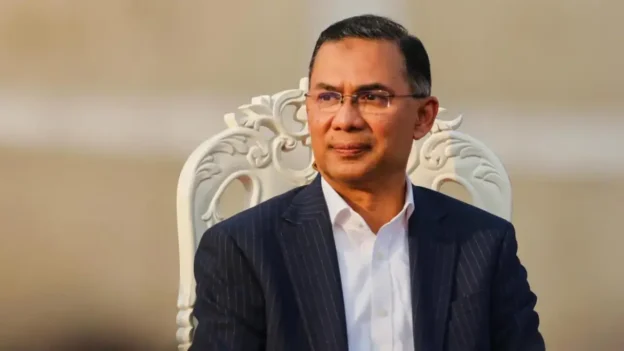
Those arrested are KSU President Raymond Kharjana, General Secretary Reuben Najiar and Vice-President Pynkmenlang Sanmiet. Police said they were booked under various provisions of the Bharatiya Nyaya Sanhita, 2023, including for damage to public property, causing hurt and unlawful assembly, and were taken to Sadar Police Station for questioning.
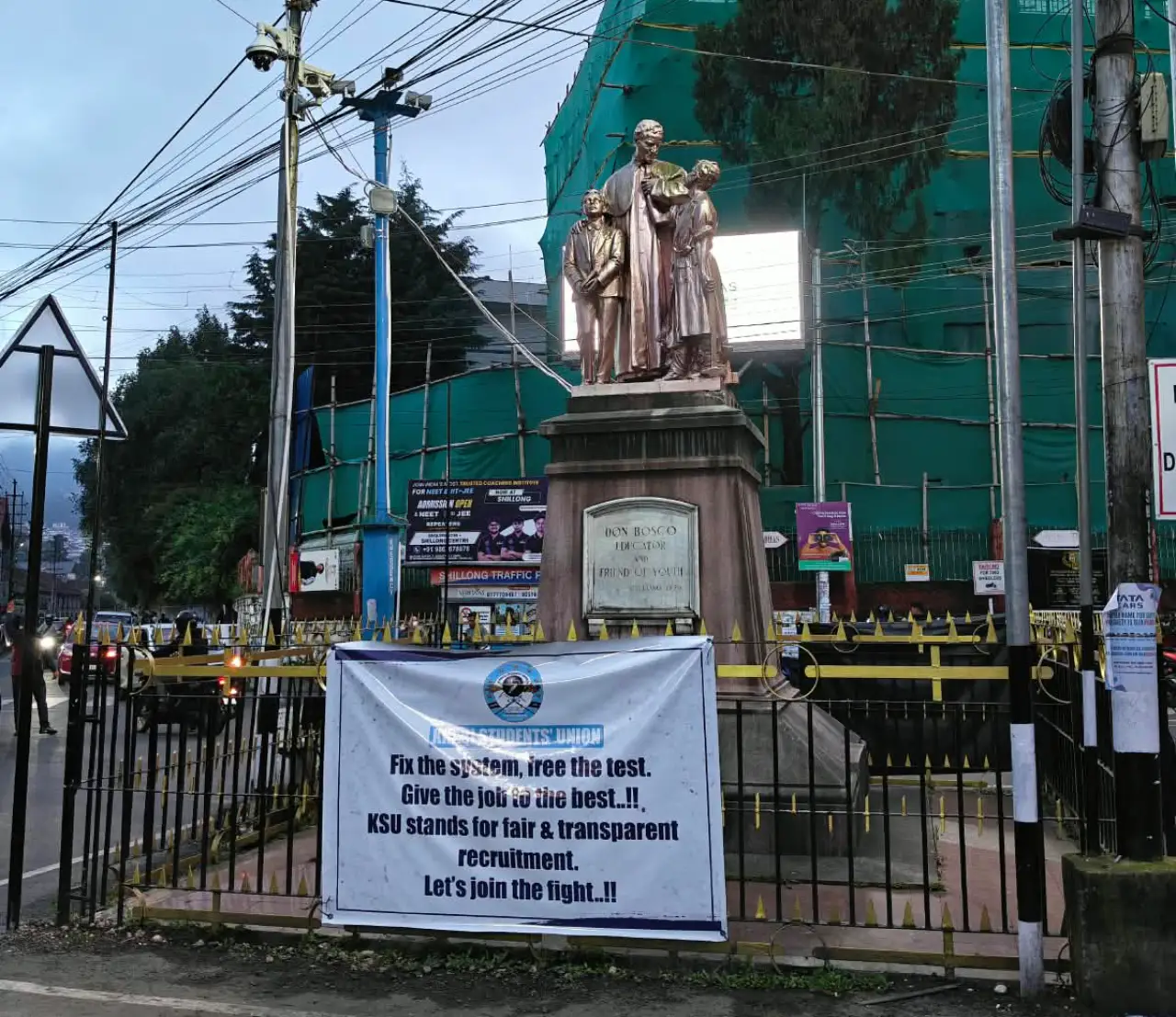
The arrests came hours after the KSU leadership addressed the media on the rally, which police said resulted in damage to 31 vehicles and injuries to several people. Among the most condemned incidents was the vandalism of the statues of Netaji Subhas Chandra Bose and Swami Vivekananda, two of India’s leading icons associated with the country’s freedom, intellectual, spiritual and nationalist traditions.
Facing widespread condemnation from different sections of society, including the local Khasi community, the KSU went on the defensive and called an emergency late-night press conference at its office in Jaiaw at around 9.30 pm.
Soon after the press conference, police raided the KSU office and used tear gas and pellet guns to apprehend members. Residents of the densely populated Jaiaw locality were awakened by the police action and complained that tear gas and pellet gun shells had reached their homes.
The three senior KSU leaders were later picked up by police from City Hut Dhaba.
Meanwhile, Meghalaya Chief Minister Conrad Sangma is yet to issue a statement on the incidents. His silence is particularly notable as the issues raised by the KSU are directed against policies of his government, including the decision to allow Shree Cement to establish a cement plant in Jaintia Hills, the delay in implementing the Inner Line Permit (ILP) and concerns over government recruitment.
Earlier, KSU General Secretary Reuben Anderson Najiar had expressed profound shock over the violence and offered a sincere and humble apology to the people of Meghalaya and anyone affected by the vandalism.
Najiar said the union leadership had remained at the front of the procession and became aware of the incidents only after the rally had ended, when footage of the violence began circulating on social media.
He said the KSU had organised several peaceful public meetings at district headquarters and other locations across Shillong during the preceding two weeks without incident. According to him, the meetings were held after obtaining formal permission from local Dorbars and district authorities and adhering to law-and-order guidelines.
Najiar said the executive body had specifically instructed participants leaving the KSU headquarters to proceed peacefully and maintain strict discipline.
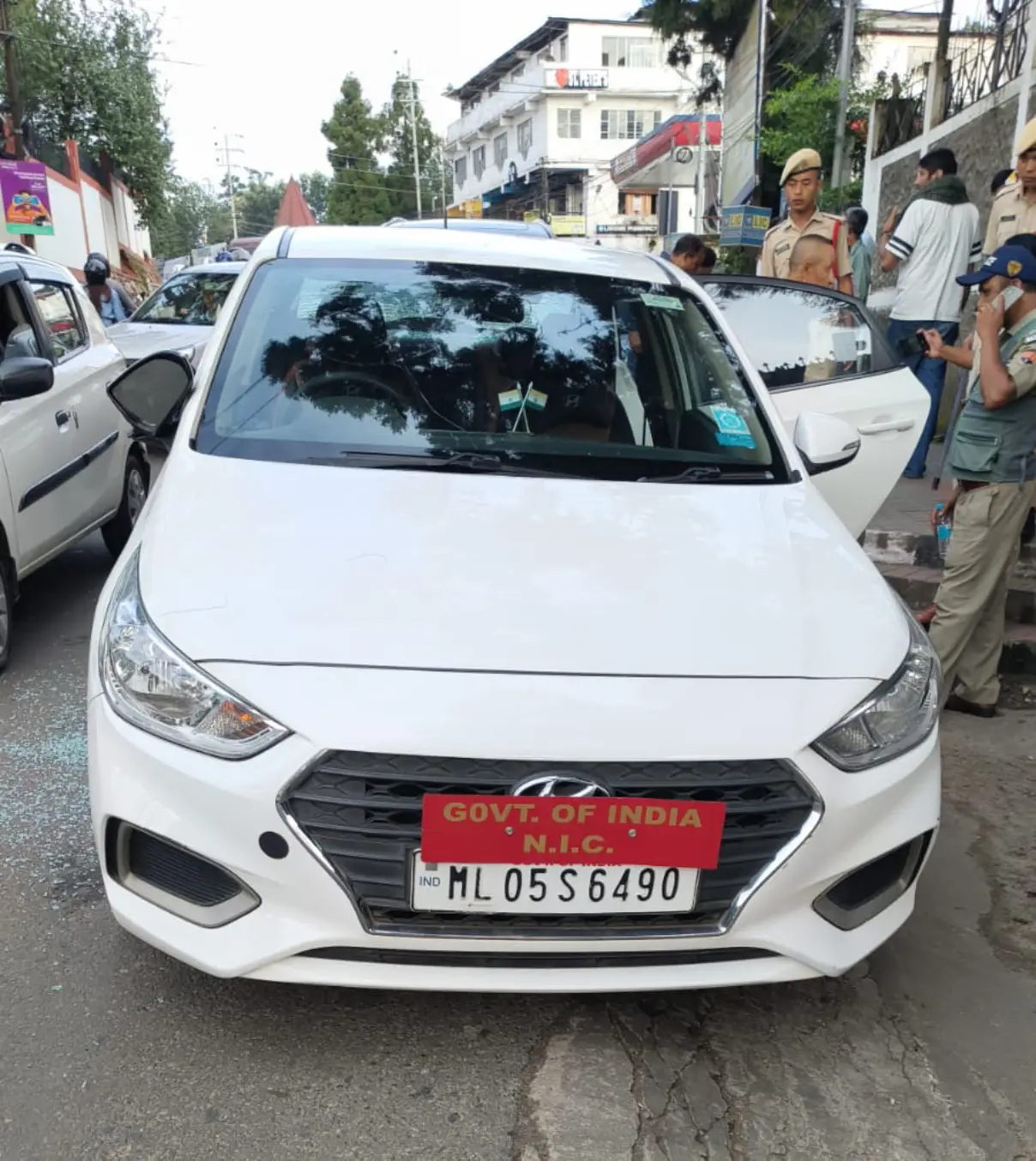
The leadership had expected between 80 and 100 scooters from the Shillong circles, he said, but the turnout unexpectedly swelled to more than 300 motorcycles.
Najiar maintained that “negative elements” from outside had infiltrated the procession with the intention of provoking law-and-order problems, derailing the union’s core issues and damaging its reputation at a time when public agitation against the government was intensifying.
He assured the public that the KSU would conduct a thorough investigation and cooperate with the police and district administration to identify those responsible for the destruction and violence.
In response to what it described as the hijacking of its platform, the KSU has also altered its plans for its next major demonstration.
The public rally and sit-in scheduled for August 21 at Khyndailad, which was originally intended to be open to the general public, will now be restricted to members of the KSU Central Executive Council.
Najiar stressed that while the union accepts the anger of the public and takes responsibility for incidents that occurred under its watch, the agitation itself will continue. He said the underlying demands concern the security of the state, employment opportunities and institutional transparency.