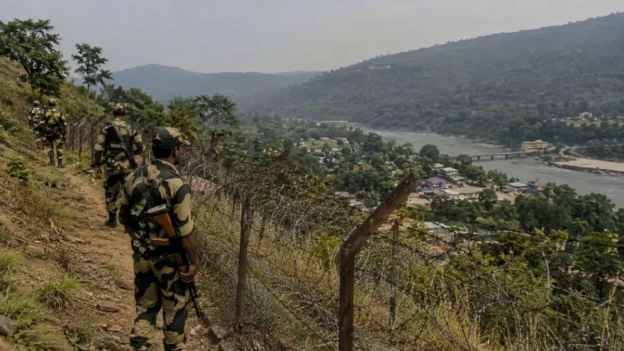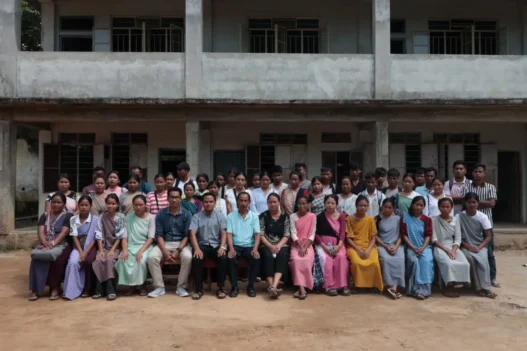
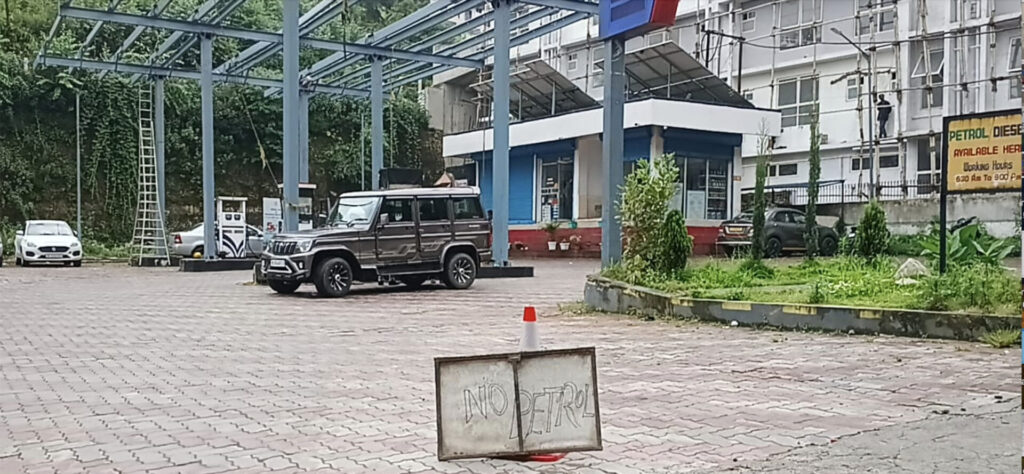
A severe fuel crisis is gripping Meghalaya after oil tanker drivers completely halted the transportation of petroleum products into the state, leaving petrol pumps depleted, essential services strained and thousands of motorists waiting in long queues.
The movement of fuel came to a complete standstill after the North-East Petroleum Mazdoor Union enforced a blockade on the loading, unloading and transit of petroleum products from neighbouring Assam.
The drastic step was taken in direct response to the mob violence in Shillong, pushing Meghalaya towards a critical fuel shortage as smaller outlets shut their doors and major stations draw on their remaining underground reserves.
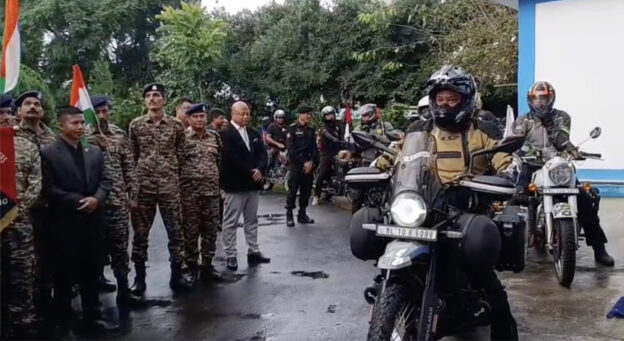
The supply freeze followed violent clashes that broke out during a Black Flags Bike Rally organised by the Khasi Students’ Union on August 19, 2026. The rally quickly descended into widespread violence, leaving 16 commuters injured and at least 31 vehicles heavily damaged.
Expressing deep concern over the targeted attacks on Assam-registered commercial trucks and what it described as inadequate safety for non-local transport personnel, the petroleum union said road conditions had become too hazardous for its workers.
Union leaders announced that fuel supplies to Meghalaya would remain completely suspended until government authorities provide concrete security guarantees for drivers and full financial compensation for the damaged vehicles.
The union’s sudden halt in operations triggered immediate and widespread panic buying across Shillong and its surrounding districts.
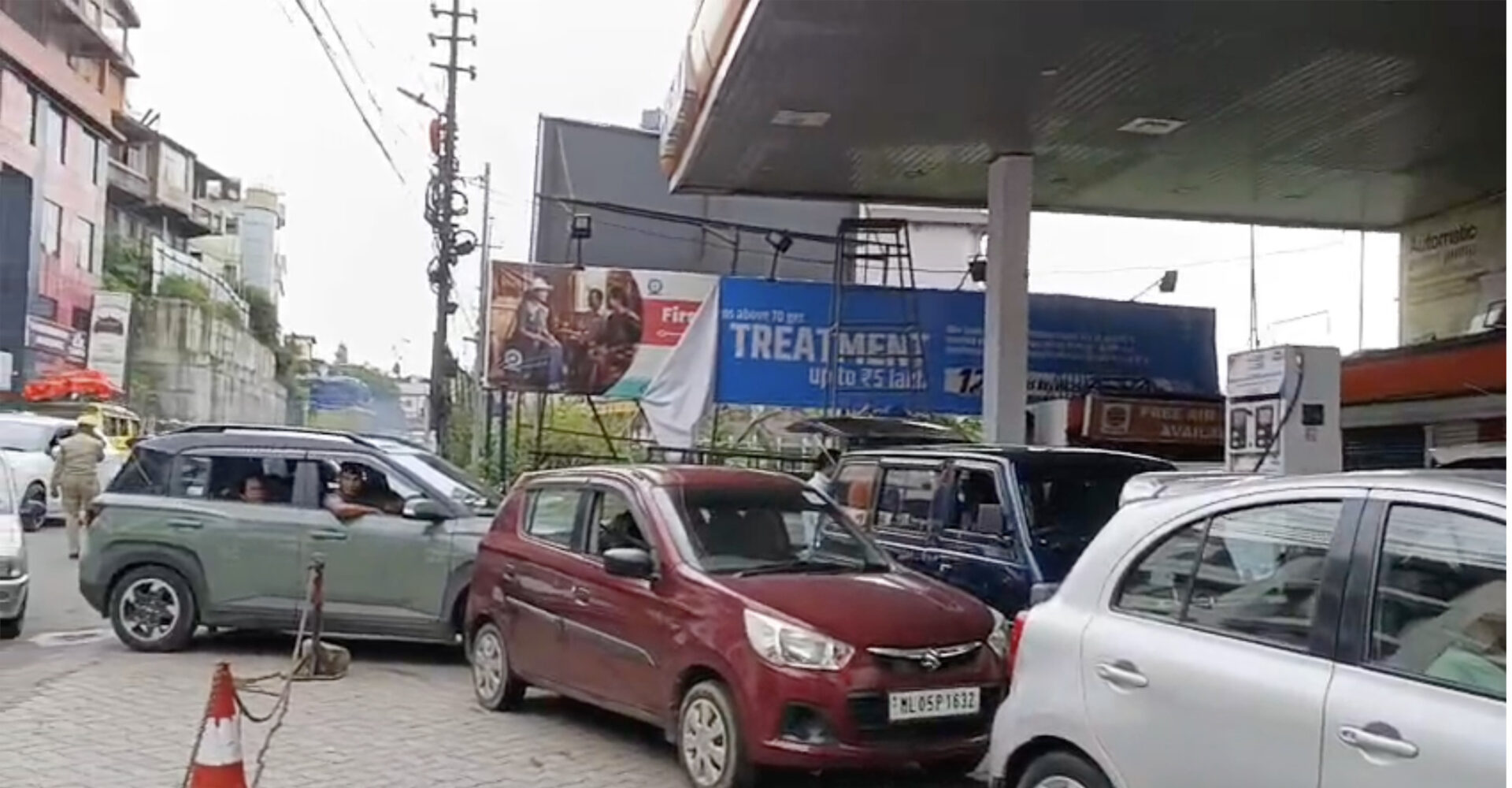
Commuters, private vehicle owners, two-wheeler riders and commercial taxi operators rushed to fuel stations, creating major traffic congestion along key roads.
Drivers found themselves waiting in queues for hours in an attempt to secure whatever fuel remained. The sudden surge in demand rapidly depleted local stocks, causing smaller petrol pumps to run completely dry and leaving daily commuters without basic transport options.
Distress and frustration were evident among local residents struggling to go about their daily lives.
Many spoke of the difficulty of the situation, saying it was alarming to be forced into a frantic search for petrol amid reports that supplies were running out.
Commuters waiting in queues for anywhere between half an hour and two hours said the shortage was directly affecting important family responsibilities, including dropping off and picking up children from school.
Pointing to the significant hardship imposed on the general public by the fuel shortage, residents urged the government to take immediate and serious action to resolve the crisis.
The outlook at fuel stations remains particularly concerning, according to outlet managers across the region.
Operators of smaller petrol pumps said no fresh consignments had arrived from Guwahati and that their entire stock had been exhausted as early as 3 pm the previous day.
With no prior information or updates on when fresh supplies might resume, these smaller stations face considerable operational uncertainty.
Meanwhile, managers of larger stations that still retain limited stocks warned that their remaining reserves would last only through the day.
They cautioned that unless fresh supply trucks cross the border, they too would be forced to pull down their shutters by the following day, potentially leaving public transport grounded and essential activities severely disrupted as state authorities negotiate to break the deadlock.