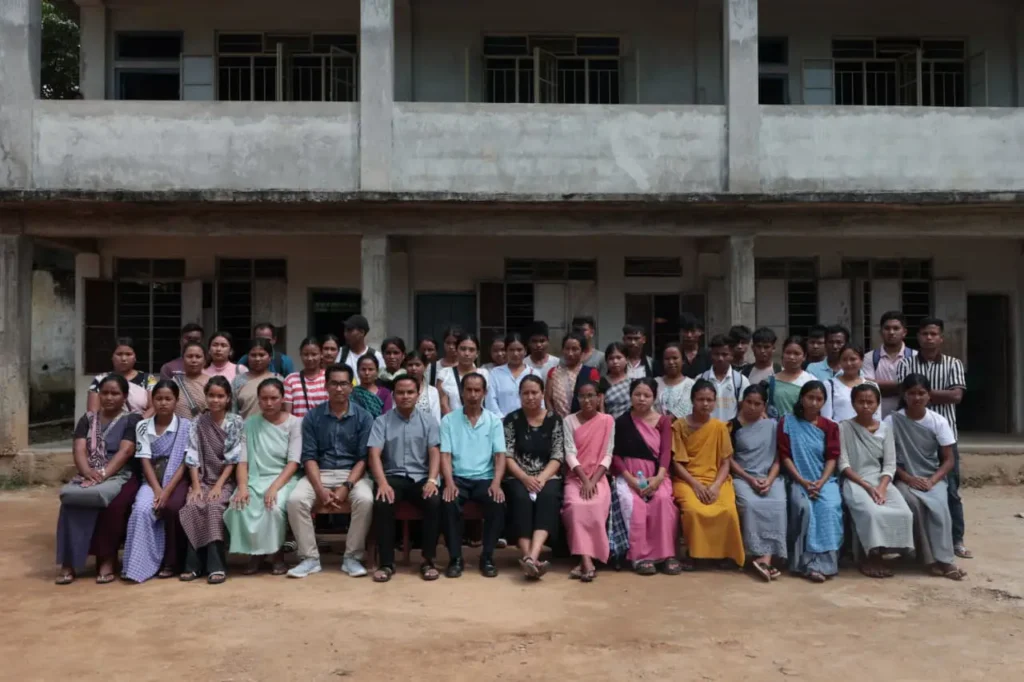
Across the hills of Meghalaya, an extraordinary educational transformation is quietly unfolding. A record 9,767 former school dropouts have stepped forward to register as Private Secondary School Leaving Certificate (SSLC) candidates, taking advantage of a groundbreaking initiative known as the Second Chance Learning Programme. Designed specifically to re-engage individuals who were forced to abandon their studies, this flexible academic pathway allows learners from every walk of life to prepare for and sit their Class X examinations, which are scheduled to take place in December 2026.
This state-wide movement is the result of a coordinated effort between the Government of Meghalaya, the Meghalaya Board of School Education (MBOSE), and the Meghalaya Programme for Adolescent Wellbeing, Empowerment and Resilience (MPOWER). By combining policy, administrative power, and grass-roots outreach, these core institutional stakeholders have built an accessible, non-traditional framework engineered to dismantle the longstanding economic, social, and structural barriers that prevent out-of-school individuals from completing their basic education.
The overwhelming response to the programme underscores a deep-seated demand for adult and remedial education across the state. Registration data reveals that candidates have enrolled from all 12 districts of Meghalaya, creating a diverse learning cohort composed of adolescents, young adults, and older citizens. Because the initiative deliberately enforces no upper age limit, it has opened doors for individuals who had long assumed their academic journeys were permanently over.
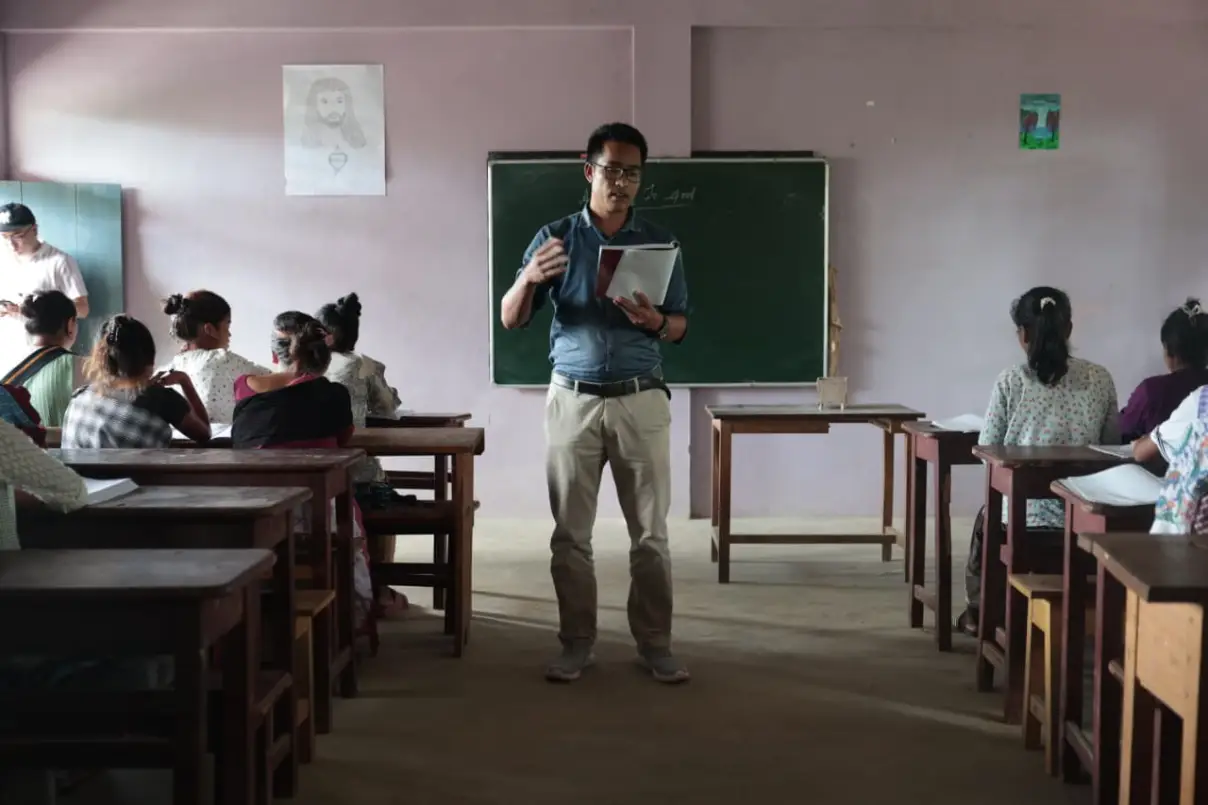
One of the most compelling examples of this intergenerational resurgence is 59-year-old Sylvester Shadap, a resident of Thadrang Umngem village in the Bhoirymbong Block of Ri Bhoi district. Sylvester originally dropped out of school in 1989. Now, after an educational hiatus spanning nearly four decades—approximately 37 years—he is preparing to sit for his SSLC examinations once again.
Reflecting on his journey, Sylvester admitted that he initially believed his window for academic pursuit had closed forever. However, his motivation shifted when he realized the profound impact his return could have on those around him. For Sylvester, sitting these exams is fundamentally about setting an inspiring example for his family, local children, and other dropouts in his village. He views adolescents as the true future of the state, and he hopes his personal commitment demonstrates that it is never too late to pursue knowledge.
Yet, returning to the classroom after almost four decades is far from simple. Sylvester openly acknowledges the formidable challenges of bridging a 37-year educational gap, particularly when it comes to adapting to modern curriculum revisions and transitioning from historical course materials to contemporary academic standards. Despite these hurdles, his determination remains steadfast as he works to master the new syllabus.
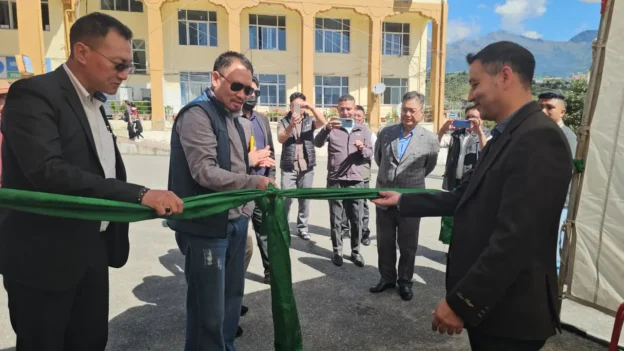
To support learners like Sylvester who cannot attend conventional, full-time day schools, the programme has established 171 notified learning and assessment centres across Meghalaya. Registration numbers indicate widespread community uptake; Ri Bhoi district alone accounts for 690 candidates, with 185 learners concentrated at the Mawlasnai centre.
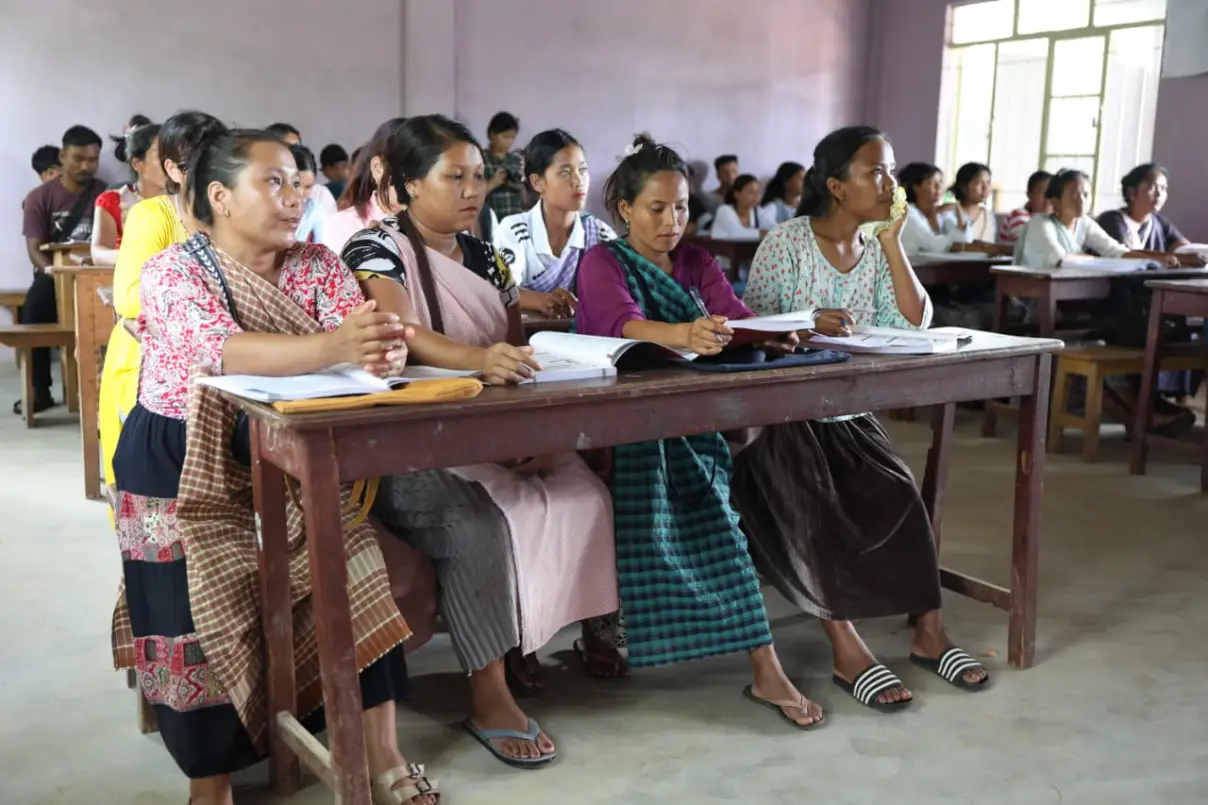
The Private SSLC framework is explicitly tailored for individuals whose schooling was disrupted by financial hardship, family obligations, migration, early marriage, or geographical isolation. Rather than forcing these non-traditional students into rigid daily schedules, the programme provides alternative preparation models.
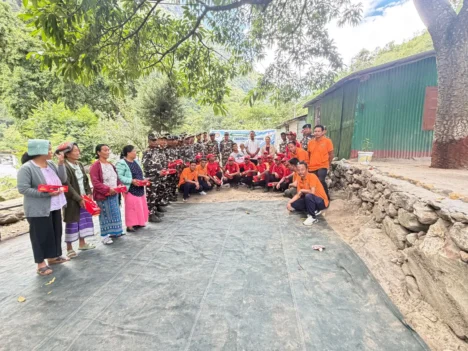
Under this operational model, MBOSE maintains oversight of the academic standards and examination protocols, while MPOWER manages the human element. MPOWER’s mandate includes community mobilization, candidate orientation, ongoing mentorship, registration support, and progress tracking. To ensure financial constraints do not hinder student performance, MPOWER and MBOSE have jointly developed and distributed free self-study materials covering a comprehensive range of core subjects: Khasi, Garo, Mathematics, Science, Social Science, English, and Health.
Beyond helping students secure a high school qualification, the Second Chance Learning Programme serves as a vital bridge to long-term personal and economic development. The initiative is structured to connect successful candidates with post-examination pathways, including higher secondary studies, vocational education, skills acquisition workshops, and enhanced livelihood opportunities.
In doing so, Meghalaya’s program directly embodies the vision outlined in the National Education Policy (NEP) 2020. By prioritizing flexible learning models, educational equity, seamless re-entry options, and lifelong learning frameworks, the initiative proves that education need not be a linear, one-time path reserved only for the young. For the thousands of learners preparing for their December 2026 exams, this initiative represents far more than an academic test—it is a powerful second chance to rewrite their stories, gain valuable skills, and build brighter futures for themselves and their communities.