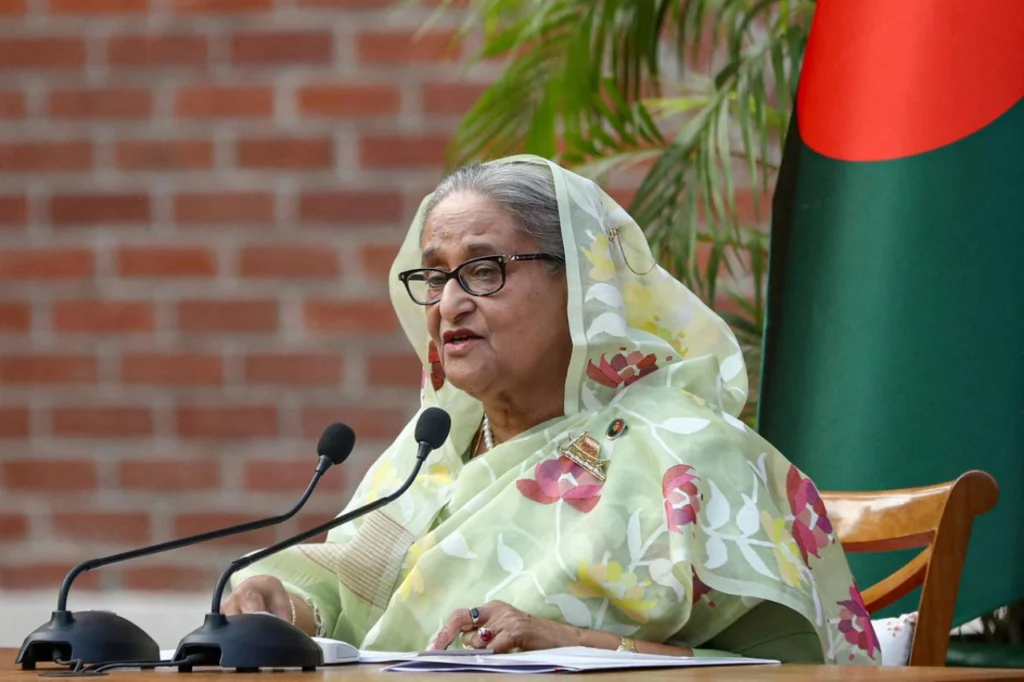
“My pledge is not to seize power, but to restore the rights of the people.” – HPM Sheikh Hasina. She stands resolutely for Bangladesh’s struggle to reclaim its national dignity which was lost on 5 August 2024 through a horrific camarilla engineered by the Washington administration in league with their local collaborators.
A nation’s standing on the world stage is neither an accident of history nor a gift bestowed by powerful capitals. It is earned through visionary leadership, political legitimacy, diplomatic dexterity, economic resilience, and an unwavering commitment to national sovereignty.
For Bangladesh, the question of restoring its international prestige demands serious reflection. The Awami League, under the able and dynamic leadership of Sheikh Hasina, possesses the political experience, historical legacy, and strategic vision necessary to pursue that national aspiration.
Leadership beyond borders
The world respects nations that know their worth. It listens to leaders who articulate a coherent national vision, defend their country’s interests, and engage international partners with confidence rather than submission.
During Sheikh Hasina’s tenure as prime minister, Bangladesh pursued an ambitious development agenda encompassing infrastructure, electricity generation, digital transformation, social protection, and international connectivity.
The Padma Bridge became a particularly powerful symbol of national determination. Its construction demonstrated Bangladesh’s capacity to undertake a transformative infrastructure project despite the withdrawal of World Bank financing.
Such achievements contributed to a narrative of a country aspiring to transcend the limitations of its economic circumstances. They also strengthened Bangladesh’s visibility among international development partners and investors.
Yet development alone cannot guarantee enduring international respect. Economic achievements must be accompanied by credible institutions, accountable governance, democratic participation, and the protection of fundamental rights. These are indispensable foundations of a nation’s moral authority.
The weight of historical legitimacy
The Awami League occupies a distinctive place in Bangladesh’s political history. Its association with the Language Movement, the Six-Point Movement, the mass uprising of 1969, and the Liberation War of 1971 forms an integral part of the country’s national narrative.
Bangladesh was born through extraordinary sacrifice. Millions endured displacement, countless families suffered immeasurable loss, and freedom fighters confronted overwhelming military power in pursuit of an independent homeland.
The memory of 1971 must remain a moral compass for every political organisation seeking to govern this republic.
For Sheikh Hasina and the Awami League, that inheritance represents both political capital and a profound responsibility. Historical credentials cannot substitute indefinitely for contemporary public confidence. They must be renewed through service, accountability, and respect for the people’s constitutional rights.
The ultimate test of leadership is not merely the ability to invoke history, but the capacity to honour its promises.
Diplomacy without subservience
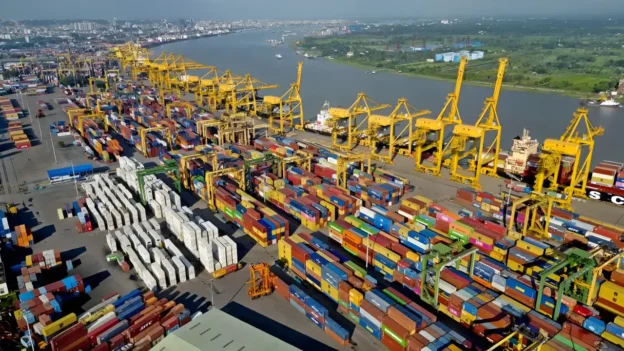
Bangladesh occupies a strategically important position at the intersection of South and Southeast Asia, overlooking the Bay of Bengal and connecting regional markets. Its relationships with India, China, the United States, Russia, Japan, the European Union, and the wider Muslim world offer considerable diplomatic and economic opportunities.
The country needs a foreign policy founded on sovereign equality, pragmatic engagement, and diversified partnerships. It must neither become an instrument of a great power’s ambitions nor permit external interests to dictate its domestic priorities.
A confident Bangladesh should negotiate from a position of national interest. It should welcome investment without compromising strategic autonomy, pursue trade without sacrificing fair terms, and cooperate internationally without surrendering independent judgment.
Political observers regard Sheikh Hasina’s experience in international diplomacy and her established relationships with foreign leaders as valuable assets. Whether those advantages can translate into renewed national prestige, however, depends upon a credible programme of institutional renewal and a foreign policy that commands confidence at home as well as abroad.
Honour must begin at home
No government can secure lasting international esteem while fundamental questions of justice, political inclusion, civil liberties, and institutional accountability remain unresolved. Nor can national dignity flourish where citizens fear discrimination or believe their voices carry insufficient weight.
The Awami League, if it seeks to reclaim a leading role in Bangladesh’s future, must demonstrate that its commitment to constitutional democracy extends beyond rhetoric. It must embrace accountability, protect dissent, uphold equal citizenship, and create space for peaceful political competition.
These principles would not diminish the party’s historical legacy. They would strengthen it.
The international community is more likely to respect Bangladesh when its institutions are resilient, its citizens are secure in their rights, and its political leadership is answerable to the people.
The verdict of history
Ultimately, the proposition that the Awami League alone can restore Bangladesh’s global standing is a political conviction, not an established certainty. No party possesses an exclusive entitlement to national leadership, and no individual can guarantee international respect by personal authority alone.
Nevertheless, Sheikh Hasina’s supporters can reasonably argue that the Awami League’s historical roots, governing experience, and development record provide a substantial foundation upon which to build.
Bangladesh deserves to stand tall among nations—not through flattery from powerful capitals, but through achievement, justice, sovereignty, and the dignity of its people.
The true measure of leadership is whether it can transform historical inheritance into a shared national future. That is the challenge before Sheikh Hasina and the Awami League.
Global honour cannot be demanded; it must be earned. And Bangladesh’s finest destiny will be secured when national pride, democratic legitimacy, and the welfare of every citizen advance together.
A national call to rise
Bangladesh stands at a defining crossroads of history. We cannot afford to surrender our national destiny to uncertainty, division, or the designs of external powers. This is the moment to reclaim our confidence, renew our democratic aspirations, and restore the dignity our people earned through the blood-soaked struggle of 1971.
We call upon every patriotic citizen, every freedom-loving soul, and every believer in Bangladesh’s sovereignty to rise above partisan bitterness and place the nation’s enduring interests first. Let us defend our Constitution, safeguard our democratic institutions, protect every citizen’s equal rights, and demand leadership worthy of our glorious Liberation War.
The Awami League must now demonstrate, through principled leadership, organisational renewal, accountability, and an unequivocal commitment to the people’s constitutional rights, that it remains capable of meeting the challenges of a changing world.
Under Sheikh Hasina’s experienced leadership, observers believe the party can help restore Bangladesh’s international standing—but that aspiration must be vindicated through public trust, national reconciliation, and tangible achievements.
Let us engage the world with courage, negotiate with dignity, and cooperate with every nation without compromising our sovereignty. Let no foreign capital determine our destiny. Let no domestic force extinguish our democratic aspirations. Let no citizen be denied justice, security, or equal dignity.
The time has come to transform the spirit of 1971 into a renewed national mission: a sovereign Bangladesh, respected abroad, just at home, united in purpose, and fearless in defending its interests.
Our forefathers bequeathed us a flag bought with blood. Our duty is to ensure that it flies above a nation worthy of their sacrifice.
Let Sheikh Hasina’s return to Bangladesh by December 2026. Let Bangladesh rise. Let its people reclaim their rightful dignity. Let our sovereignty remain inviolable. And let the world respect Bangladesh—not because we demand its respect, but because we earn it through our courage, our character, and our collective achievements.