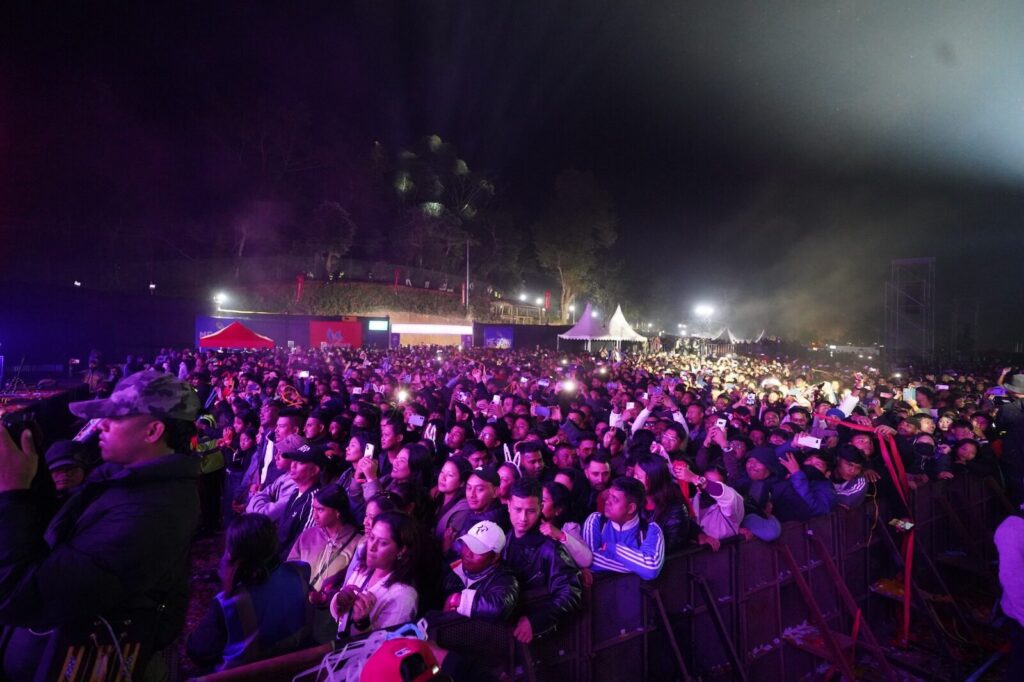
In the winter light of Garo Hills, when the air grows crisp and the hills hum with their quiet rhythm, Tura comes alive in a way that feels familiar yet entirely new. The Me’gong Festival—now in its fifth edition—has steadily transformed this serene corner of Meghalaya into a gathering point for music, culture, and culinary imagination. What began as a local celebration has grown into a major cultural moment, drawing thousands who arrive not only for the international line-up but for the atmosphere that only this landscape can create.
Me’gong 2025 opened with that very spirit—rooted deeply in place, yet boldly reaching outward. When Meghalaya’s Chief Minister, Conrad K. Sangma, inaugurated the festival, the energy across the grounds signalled the scale and ambition ahead. The festival’s growing national and global footprint reflects a wider shift: Garo Hills is emerging not just as a venue but as a destination where music, tourism, heritage, and youthful aspirations converge.
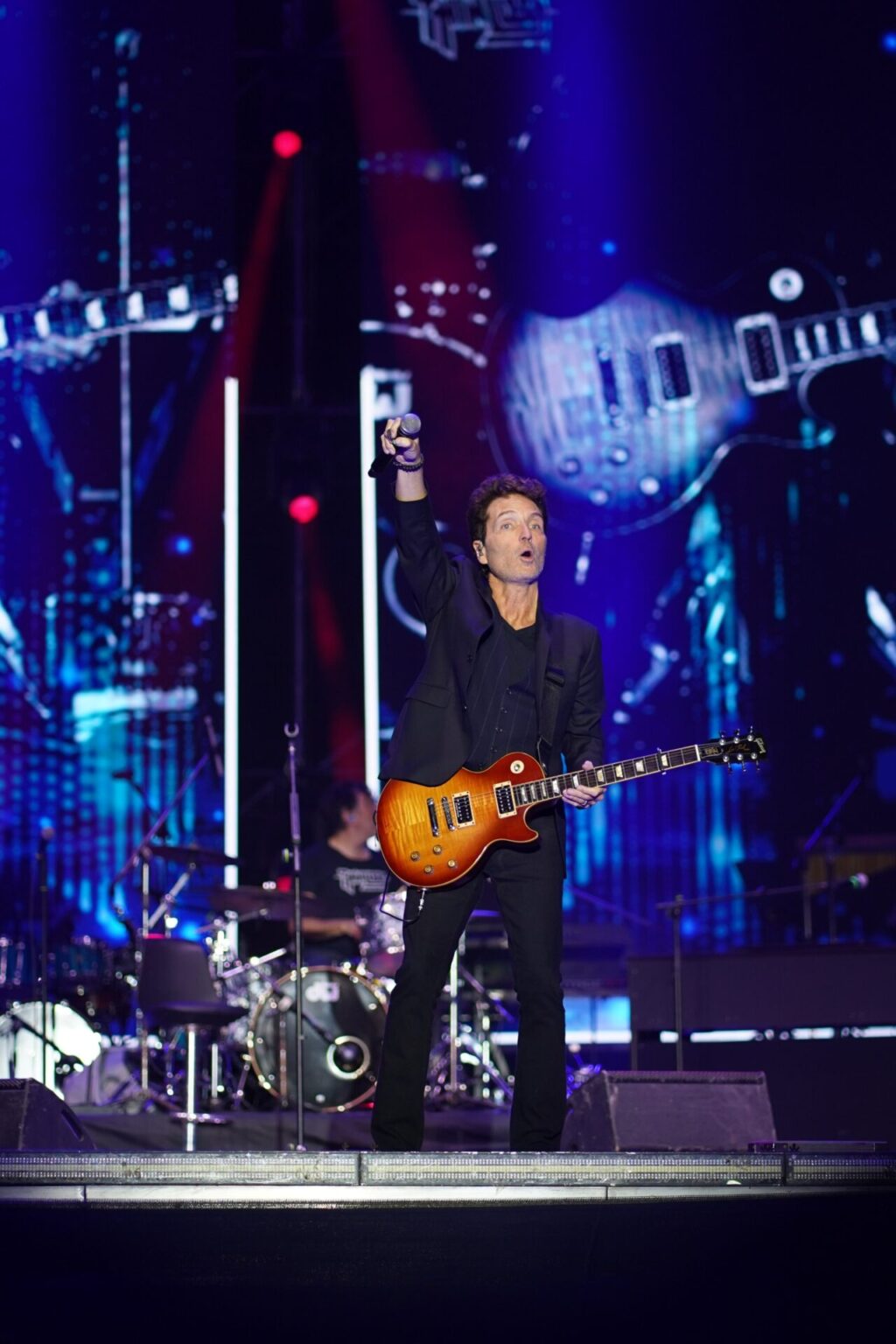
The opening night on the Aski Stage captured this blend perfectly. Legendary pop-rock artist Richard Marx set the tone with a warm, nostalgic performance, singing hits like Wherever You Go, End of Summer, Don’t You Know, and Magic Hour. His joy at being in Meghalaya was unmistakable as he greeted the crowd and expressed his happiness at performing at Me’gong for the first time. His set bridged generations and established the evening’s emotional foundation.
From there, the energy shifted into vibrant Bollywood flair as Neeti Mohan took over. The crowd turned into a chorus, joining her on Ishq Wala Love, Jiya Re, London Thumakda, and other favourites. Her closing tribute to Zubeen Garg, performing Mayabini, resonated deeply with listeners across Meghalaya and Assam, drawing the night closer to home. “Why did I not come here before?” she laughed. “You are living in heaven on earth.”
If Richard Marx brought nostalgia and Neeti Mohan brought charm, Nucleya brought a wave of electrifying intensity. By the time his set began, the entire festival ground had become a pulsing dance floor. Earlier in the evening, Julian Marley carried forward a soulful reggae momentum that wrapped Garo Hills in a wash of global rhythms. It was a reminder of how Me’gong seamlessly bridges cultures without ever losing its grounding in local identity.
That grounding is perhaps clearest in the festival’s commitment to homegrown talent. While international headliners draw the spotlight, Meghalaya’s musicians form the beating heart of Me’gong. This year’s line-up featured an impressive array of local bands—Haystack Ladies, Strum Stories, and Ahaia among them—each offering a sound shaped by the region’s musical evolution.
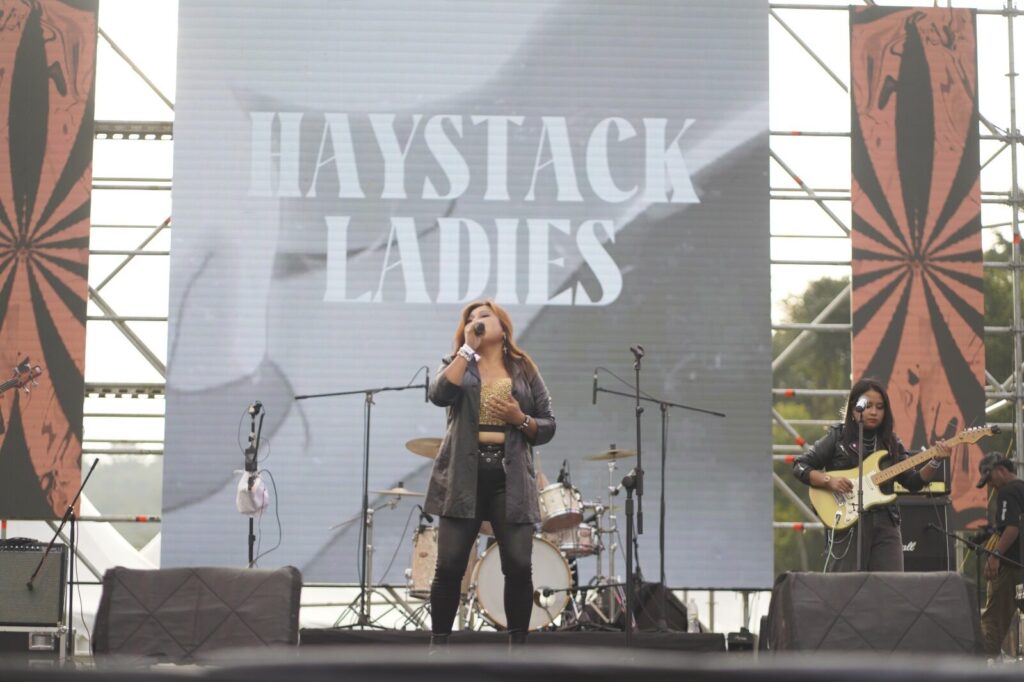
A major highlight was the performance by the Top 7 finalists of the Chief Minister’s Meghalaya Grassroots Music Project (CM-MGMP), an initiative that has opened the doors of large stages to young musicians from across the State. Bands such as Nictophilia, Magnificent Obsession, Necroscope, Emberfall, Imphaled, Misagathia and Rise & Shine performed with a confidence that spoke of new ambitions forming in the hills. Nineteen-year-old Jakrima R. Marak from Tura summed it up simply: “MGMP is helping local musicians grow. It promotes artists like us from all across the State.”
This merging of worlds—international icons and local storytellers—has become the essence of Me’gong. It is also what is shaping Tura into a cultural hub, drawing audiences eager for experiences that blend tradition with modernity, rootedness with global flavour.
Beyond the music, Me’gong 2025 told another story—one shaped by flavour, memory, and indigenous pride. The Great Garo Hills Cook Off returned with renewed excitement, offering dishes that carried the essence of the land. Eleven home chefs participated, creating traditional delicacies and inventive adaptations using ingredients sourced from the forests and fields of Meghalaya.
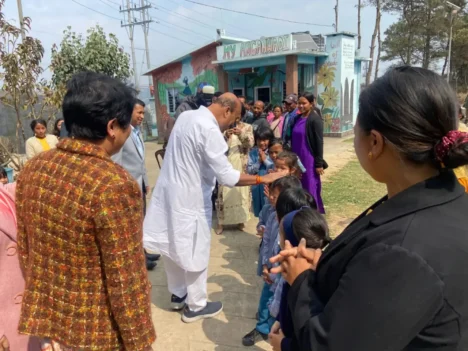
MasterChef India Season 8 runner-up Nambie Jessica Marak joined as a special guest, adding national visibility and depth. Speaking of the rare herbs, local fish, and forest-grown spices used by the chefs, she described them as “symbols of lost heritage” brought back into the public imagination through festivals like Me’gong.
Among the participants, first-time chefs added personal stories to the culinary narrative. Tatiline A. Sangma from Tura prepared Chicken Kappa and We’tepa, dishes tied closely to Garo tradition. For her, the cook-off was more than competition—it was a way to honour the flavours she grew up with. From Jengjal, Seema R. Sangma crafted dishes around shrimps, donggam leaves, and local fish—“a tribute to my village and its flavours,” she said.
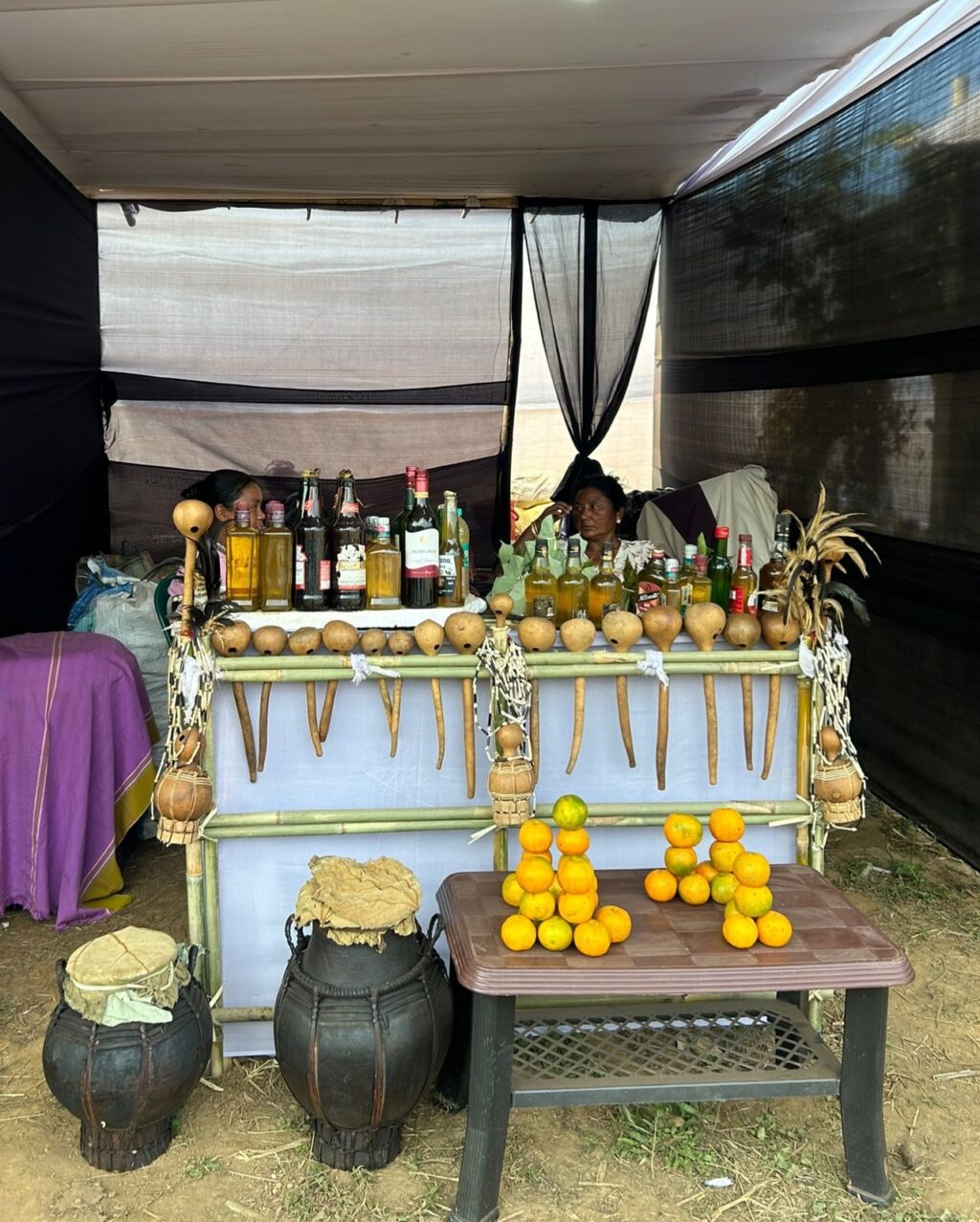
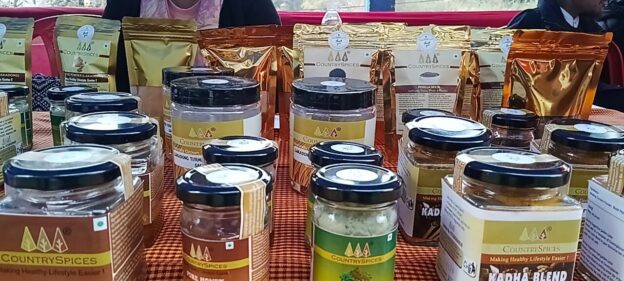
Across the festival grounds, food stalls run by local entrepreneurs and PRIME Meghalaya participants extended this culinary journey, offering everything from traditional snacks to inventive beverages and ice creams. For many visitors, Me’gong became a map of the Garo Hills’ gastronomic landscape—an exploration of heritage, innovation, and identity served plate by plate.
What makes Me’gong distinct is the way multiple worlds coexist and complement each other. Traditional sports like Anding Oka played out near the main arena. The Brew Village buzzed with conversations. The VR zone offered digital immersion to curious visitors. Artisans, craftspeople, dancers, and young entrepreneurs filled the grounds with an energy that felt both cultural and entrepreneurial, both rooted and forward-looking.
This balance—between heritage and innovation, global and local—mirrors the larger cultural transformation underway in Meghalaya. Over the years, the State has made deliberate investments in creative infrastructure, provided platforms for homegrown artists, and built large-format festivals that draw diverse audiences. Me’gong has become central to this shift, helping cultivate an ecosystem where music, culture, tourism, and enterprise come together to fuel a sustainable cultural economy.
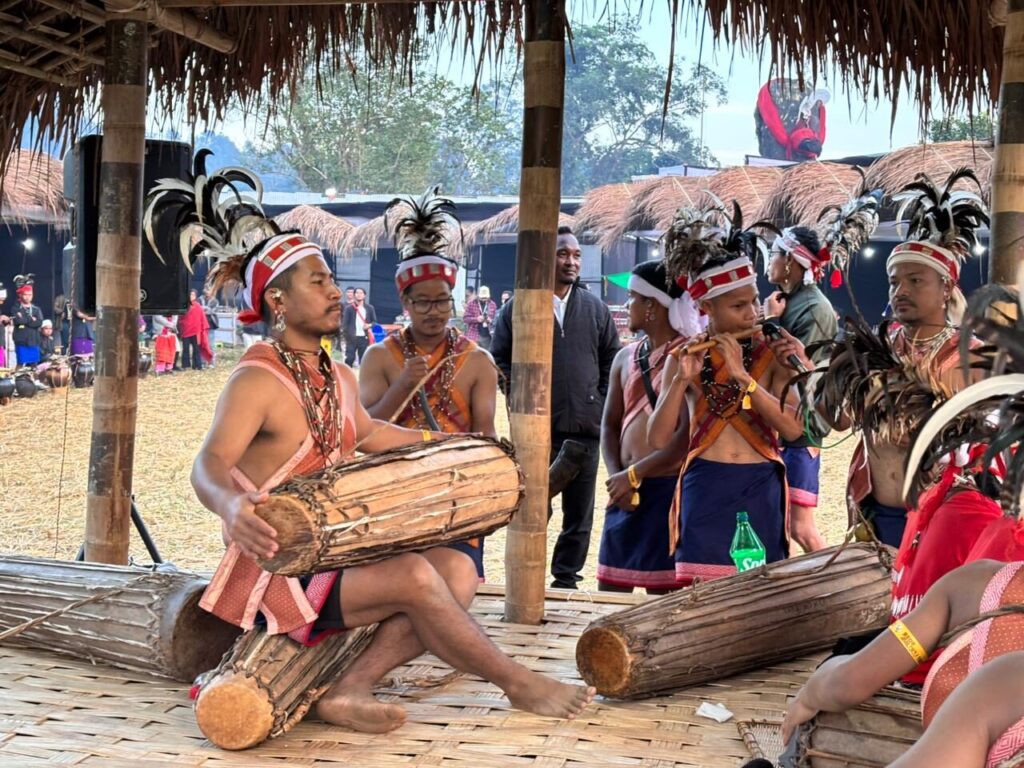
With an unforgettable opening day behind it, anticipation now turns to what comes next. Day Two promises another dynamic blend of performances—Blue, Kanika Kapoor, Prateek Kuhad and the electrifying Yellow Claw on the Aski Stage; Hoi Hoi Makbil, G-Hills Finest, Crack Gang, Rough Road, and Nokpante on the Kingfisher Stage—alongside the Cosplay Contest and ongoing cultural showcases across the venue.
If the first day made one thing clear, it is that Me’gong has grown far beyond a festival. It has become a cultural statement, a destination in itself, and a reflection of a region in motion. In Garo Hills—where the hills become stages and stories become songs—a new cultural identity is taking shape, radiant with possibility and rooted in the land that inspires it.