Aquaex Northeast 2026, a major regional fisheries and aquaculture expo, is set to be held in Shillong, aiming to bridge the gap between rising demand and local production in Northeast India. The event is designed to strengthen the fisheries value chain—from production to market linkages—while tapping into the region’s growing potential.
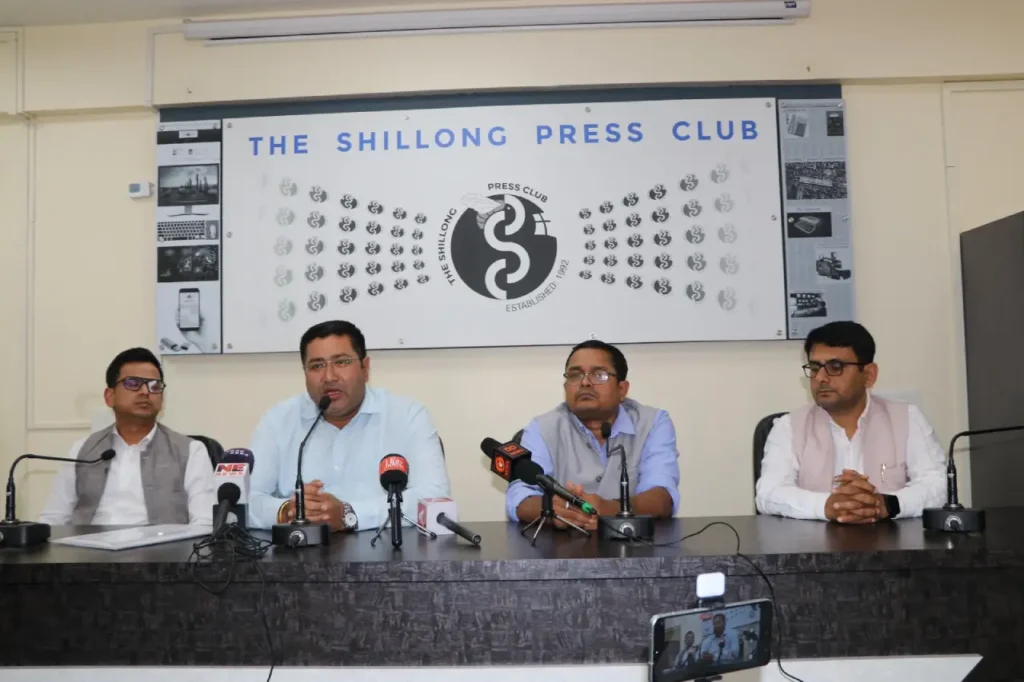
The details of the expo were shared during a press conference held at the Shillong Press Club. Supported by the National Fisheries Development Board (NFDB) under the Government of India, the initiative marks a strategic push to boost fisheries development and improve nutritional security. It is being organized by Aquaex India in collaboration with the NFDB and the Progressive Farmer Trust.
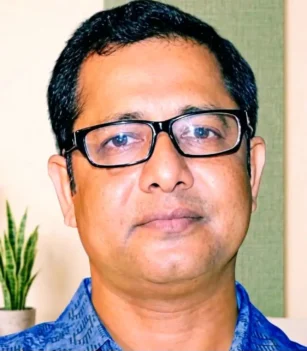
The press meet was attended by key industry leaders and officials. These included Ashim Kumar Borah, Senior Executive (Tech) and Officer-in-Charge of NFDB-NERC, Guwahati; Anup Sarmah, Governing Body Member of the NFDB; and Rajnish Kumar, Convenor of Aquaex and Governing Body Member of the NFDB.
During the interaction, Rajnish Kumar announced that the expo will be held on June 12 and 13, 2026, at the Maniram Dewan Trade Centre in Guwahati. He said the event will be the first of its kind in the region to bring together all stakeholders in the freshwater fisheries sector under one roof. This includes hatcheries, technology providers, processors, financial institutions, and policymakers.
Placing the discussion in a national context, Kumar pointed out that while India is not food-deficit, it still faces a significant protein gap. He said fisheries can play a key role in addressing this challenge while also creating sustainable livelihoods.
The expo will include technology demonstrations and seminars to help local farmers adopt modern practices and improve productivity.
Data shared during the meeting showed both progress and challenges in the region. Fish production in Northeast India has increased from 4.03 lakh tonnes in 2014–15 to around 6.41 lakh tonnes in 2023–24.
Despite this growth, the region continues to face a shortage. With 90 to 95 percent of the population consuming fish, the Northeast still needs to import between 43,000 and 90,000 tonnes annually to meet demand.
In Meghalaya, production stands at 20,000 metric tonnes against a requirement of 32,000 metric tonnes, leaving a deficit of 12,000 metric tonnes. Organizers believe platforms like Aquaex can help address this gap.
Anup Sarmah highlighted the interactive features of the event. These include buyer-seller meets, investor sessions, and a Farmer-Scientist-Industry Interface. These activities aim to promote knowledge exchange and build stronger market linkages.
He added that special focus will be given to niche areas such as rainbow trout cultivation. The idea is to connect farmers with buyers and provide guidance for those looking to turn aquaculture into a profitable business.
Ashim Kumar Borah described fisheries as a “sunrise sector” in the Northeast, growing at around 10 percent annually. He said the government has made significant investments in the sector, with about ₹2,500 crore allocated under the Pradhan Mantri Matsya Sampada Yojana (PM-MSY).
These funds have been used to develop infrastructure across pre-harvest, harvest, and post-harvest stages, including hygienic marketing facilities. Borah said Aquaex will help farmers overcome land constraints by adopting new techniques and learning from successful examples.
The expo also has the support of Fisheries Departments from all eight Northeastern states—Assam, Arunachal Pradesh, Manipur, Meghalaya, Mizoram, Nagaland, Sikkim, and Tripura—with Assam hosting the event.
As the implementing agency for the Blue Revolution, the NFDB’s involvement is seen as key to the success of the expo. Aquaex Northeast 2026 is expected to host over fifty exhibitors. It will also include participation from scientists of the Indian Council of Agricultural Research (ICAR) and progressive farmers from across the country, all working towards building a stronger and more self-reliant fisheries sector in the region.