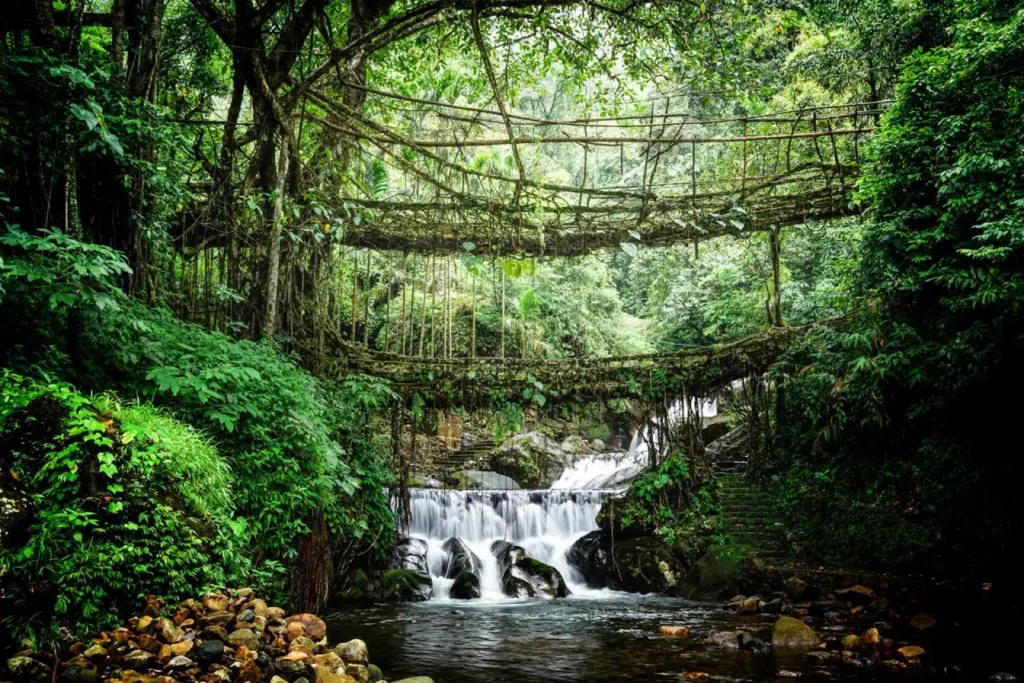
Known around the world as the “Abode of Clouds”, Meghalaya is celebrated for its lush forests, pristine rivers, and the distinction of being home to Asia’s cleanest village. Yet, like many regions experiencing rapid growth, the state faces the challenge of balancing development with environmental protection.
As infrastructure expands and new economic opportunities emerge, Meghalaya is attempting to chart a different path—one where growth and sustainability move forward together. Through a combination of community-led conservation, climate-resilient agriculture, eco-tourism, scientific mining practices, and large-scale environmental restoration projects, the state is positioning itself as a leader in sustainable development.
A key element of this approach has been placing local communities at the centre of conservation efforts. Recognising that much of Meghalaya’s natural wealth is managed by indigenous communities and traditional institutions, the government has increasingly focused on supporting people as custodians of forests and ecosystems.
One of the most significant initiatives in this regard was the launch of the GREEN Meghalaya Scheme in June 2022. GREEN, which stands for Grassroots Level Response towards Ecosystem Enhancement and Nurturing, is built on the concept of Payment for Ecosystem Services (PES). Under the scheme, individuals, clans, and communities receive financial incentives for conserving forest areas under their care.
Meghalaya became the first state in India to implement such a model, and the programme has since grown into the largest initiative of its kind in the country.
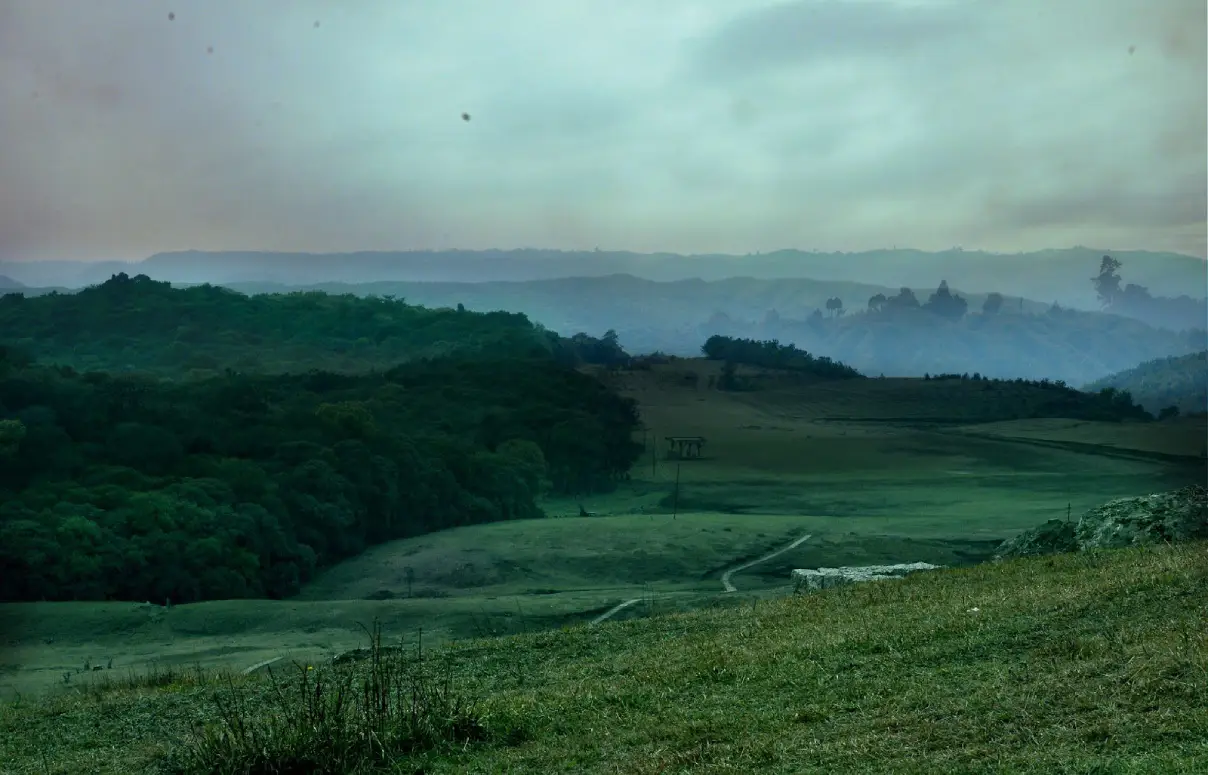
Building on its initial success, the government later introduced GREEN Meghalaya+, an expanded version of the scheme aimed at conserving an additional 50,000 hectares of forest. The programme provides long-term financial support to villages, communities, clans, and individuals willing to commit to protecting natural forests for a minimum period of 30 years.
The scale of the initiative became evident during major distribution events held in March. In Shillong, more than 2,700 beneficiaries received financial assistance exceeding ₹25 crore under GREEN Meghalaya+. During a separate programme in Tura, the government distributed over ₹1.16 crore to another 60 local conservationists.
The impact of the scheme can be seen across different regions of the state.
In Daronggre, in the Garo Hills, beneficiaries are actively conserving sacred clan forests that hold both ecological and cultural significance. To support these efforts, the government has enhanced incentives under GREEN Meghalaya+, allowing eligible beneficiaries to receive up to ₹20,000.
In the Jaintia Hills, the Pyrtuh clan has taken responsibility for conserving 15 hectares of forest in Mustem village. Through the PES framework, the clan receives financial support while contributing to the protection of local biodiversity and forest resources.
Together, these local conservation efforts form part of a larger environmental story unfolding across Meghalaya. Over the past eight years alone, more than 30,000 hectares of new forests have been planted across the state.
The state’s broader climate adaptation initiatives have also gained recognition at the national level. Meghalaya’s efforts, including the Protection of Vulnerable Catchment Areas under the MegARISE project, the Spring Mapping Initiative, and the Climate-Adaptive Community-Based Water Harvesting Project, were highlighted in the Economic Survey 2025–26.
Presented in Parliament by Union Finance Minister Smt. Nirmala Sitharaman, the survey acknowledged Meghalaya’s efforts to integrate environmental protection with economic development.
Among these initiatives, the MegARISE project focuses on improving water security by protecting vulnerable catchment areas. The project targets key locations such as Umiew in East Khasi Hills and Ganol in West Garo Hills, where sustainable forest management practices are being used to safeguard critical water resources.
Water conservation has emerged as one of the state’s most extensive environmental priorities.
Over the past five years, nearly 60,000 springs have been mapped across Meghalaya. During the same period, more than 700 water harvesting structures have been built, leading to the protection of 747 important water sources.
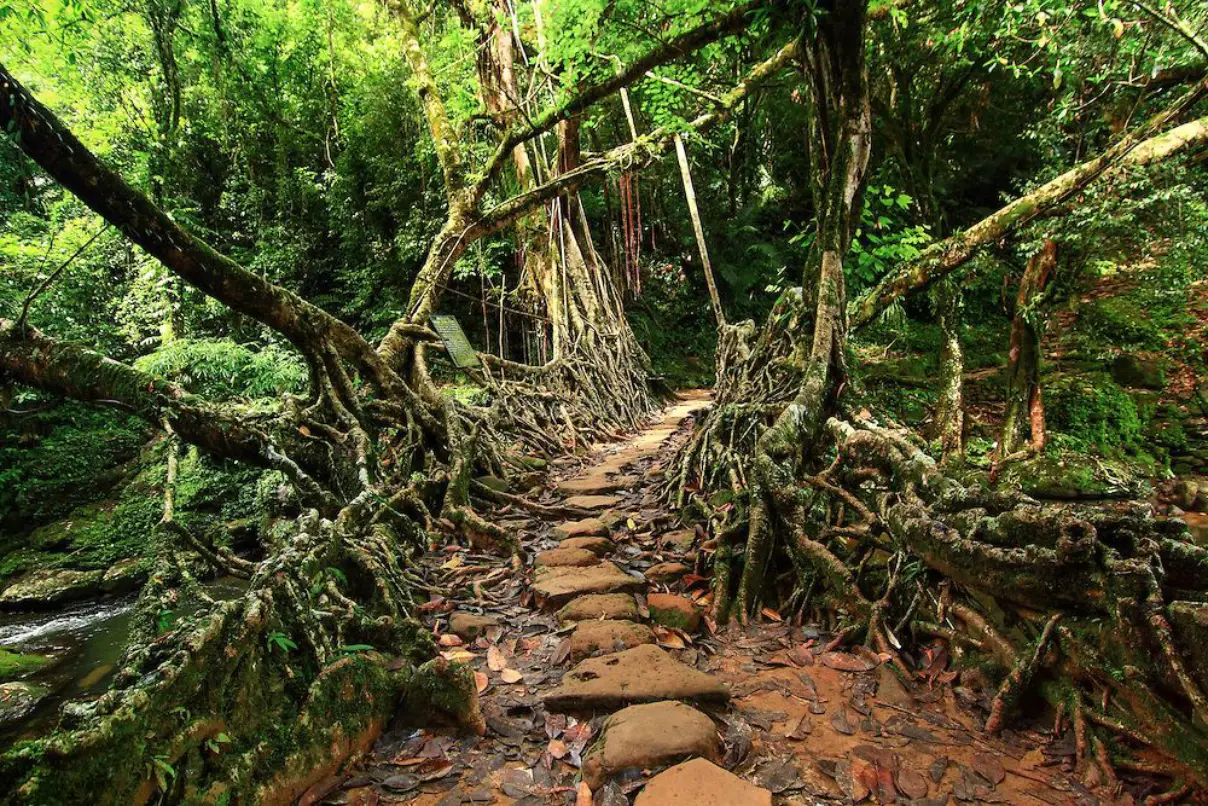
The state is also currently constructing more than 530 Community-Based Water Harvesting Projects. Beyond improving water availability, these projects are designed to strengthen local livelihoods through community participation and sustainable resource management.
Complementing these efforts is the MegLIFE project, another major initiative highlighted in the state budget. The programme aims to restore 22,500 hectares of degraded forest land spread across 30 blocks in 12 districts, making it one of the largest restoration efforts currently underway in the state.
Environmental considerations are also shaping Meghalaya’s urban development plans.
As projects such as the New Shillong Township continue to expand, the government has sought to integrate green spaces into urban growth strategies. In 2025, it launched the Avenue Plantation Project, an urban forestry initiative designed to improve environmental sustainability alongside infrastructure development.
The project aims to plant 6,000 trees along major roads and medians, covering more than 25 kilometres of roadside avenues and an additional 2 kilometres of median plantations.
Taken together, these initiatives reflect an evolving approach to development in Meghalaya. Rather than treating conservation and economic growth as competing priorities, the state is increasingly attempting to link the two through community participation, ecosystem restoration, water security, and sustainable planning.
In the process, local communities are not merely beneficiaries of environmental programmes but active participants in shaping a greener and more climate-resilient future for the state.