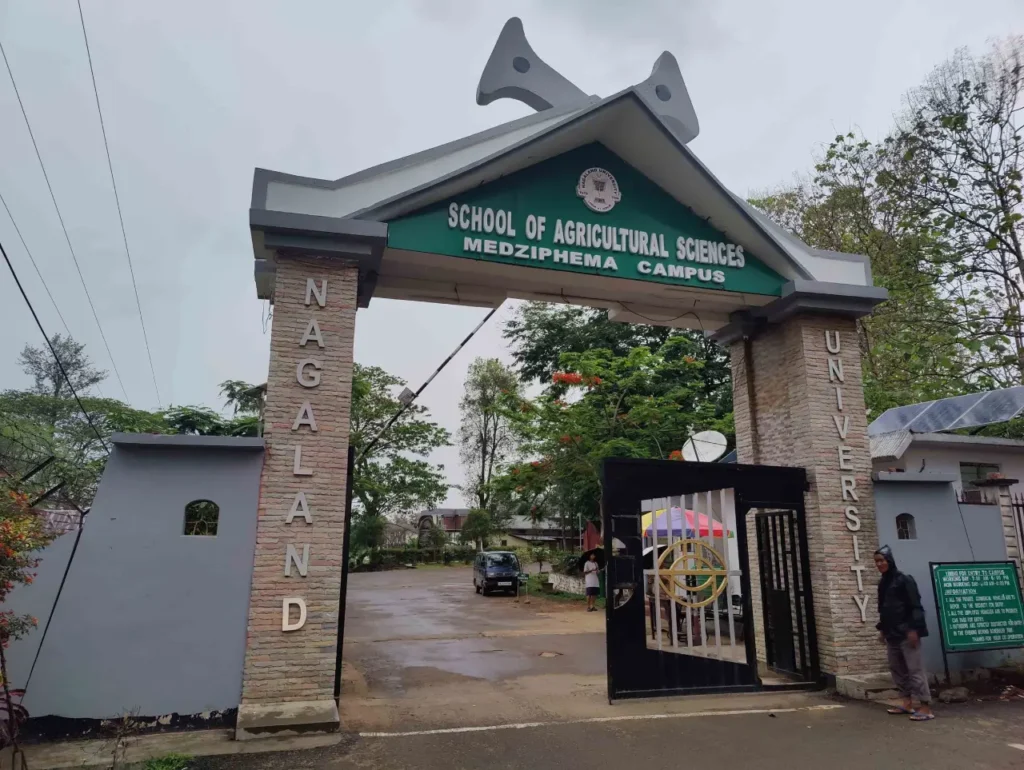
A recent study conducted by Nagaland University has brought renewed attention to the traditional medicinal knowledge of the Sonowal Kachari community of Assam, documenting a rich repository of herbal remedies that researchers believe could contribute to affordable healthcare and future drug discovery initiatives.
Published in the Journal of Ayurveda and Integrative Medicine, the study systematically records the use of 39 medicinal plant species traditionally employed by the Sonowal Kacharis to treat a variety of ailments. Researchers engaged 180 elderly knowledge holders from the community, capturing information that has largely been preserved through oral traditions for generations.
The findings underscore the continuing relevance of herbal medicine in rural and resource-constrained regions where access to modern healthcare remains limited. According to the study, traditional remedies are commonly used alongside allopathic treatments, suggesting the potential for more integrated healthcare approaches that combine indigenous practices with modern medical systems.
Researchers documented the use of several plant-based remedies for conditions such as fever, respiratory illnesses, kidney stones and skin disorders. The study argues that these treatments could serve as valuable starting points for scientific validation and the development of low-cost therapeutic formulations, particularly for underserved populations.
Nagaland University Vice-Chancellor Prof. Jagadish Kumar Patnaik said the research highlights the significance of indigenous knowledge systems in addressing contemporary healthcare challenges. He noted that traditional herbal medicine continues to provide accessible and affordable healthcare options for many communities while also offering opportunities for sustainable medical innovation.
The study was authored by Pramod Chandra Dihingia, Wungsim Zimik and Prabhakar Sharma from Nagaland University, along with Deepika Borah of the Indian Council of Medical Research (ICMR), Assam.
Lead researcher Dr. Pramod Chandra Dihingia, Assistant Professor in the Department of Agricultural Engineering and Technology, emphasized the urgent need to preserve both traditional knowledge and medicinal plant biodiversity. He warned that rapid social and cultural changes, particularly among younger generations, are contributing to the gradual erosion of indigenous ethnobotanical knowledge.
“The loss of traditional healthcare practices would also mean the loss of potentially valuable medicinal resources,” Dihingia observed, advocating a conservation framework that promotes both knowledge preservation and sustainable use of plant resources.
Beyond cultural preservation, the study identifies significant opportunities for pharmacological research. Several of the documented plant species exhibited repeated and consistent usage patterns among community members, indicating potential therapeutic properties that merit laboratory investigation.
Prof. Prabhakar Sharma, Head of the Department of Agricultural Engineering and Technology, said the findings provide a scientific foundation for future studies aimed at identifying bioactive compounds and developing natural product-based therapeutics. He noted that bridging traditional wisdom with scientific validation could support national priorities related to affordable healthcare, biodiversity conservation and innovation.
The researchers argue that systematic documentation and quantitative validation of indigenous medicinal practices can strengthen bioprospecting efforts and accelerate the screening of bioactive compounds for future drug development. Such efforts, they suggest, could eventually lead to clinical trials and evidence-based integration of traditional remedies into mainstream healthcare systems.
At the same time, the study stresses the importance of ensuring equitable benefit-sharing mechanisms for indigenous communities whose knowledge contributes to scientific advancement. The authors advocate community-driven conservation strategies that recognize the intellectual and cultural contributions of traditional knowledge holders.
The research comes at a time when interest in traditional and complementary medicine is growing globally. For Northeast India, a region renowned for its rich biodiversity and cultural diversity, the findings serve as a reminder that indigenous knowledge systems remain an important yet often underexplored resource for both healthcare innovation and biodiversity conservation.