The lush, rolling hills of Ri-Bhoi district in Meghalaya are home to an ancient craft that continues to sustain both the cultural heritage and livelihoods of the Hynniewtrep people. Passed down through generations, the art of weaving Ryndia, or Eri silk, is far more than a livelihood. It is a living expression of identity, cultural pride, and a deep connection with nature.
In villages such as Umkon, this tradition remains vibrant. Local women, many of whom have spent 15 to 20 years at their looms, continue to spin and weave by hand, supporting their families while ensuring that an age-old craft thrives in the modern world.
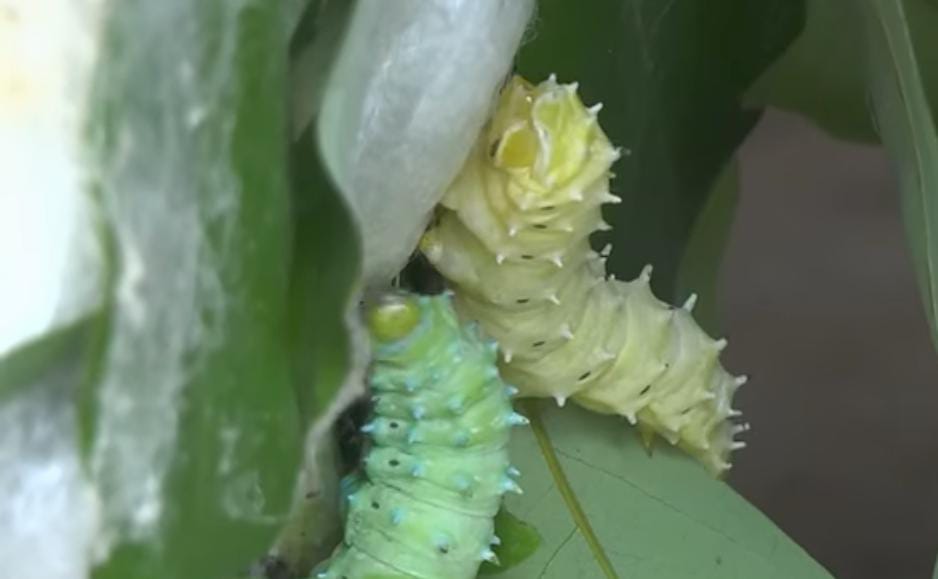
The journey of Ryndia silk begins with nature itself. White butterfly eggs are carefully wrapped in small pieces of cloth, where they remain until the silkworms hatch about a week later. Farmers rear the delicate caterpillars throughout the year, particularly during the humid monsoon season, feeding them primarily on castor leaves, along with jackfruit leaves.
After about a week of feeding, the silkworms instinctively climb onto wooden twigs and begin spinning their protective cocoons. These cocoons form the foundation of one of Meghalaya’s most treasured textiles.
Once the cocoons are ready, farmers carefully collect them and remove the moths before beginning a meticulous refining process. The cocoons are beaten, boiled, and gently drawn into raw silk fibres. They are then sun-dried, boiled again for two to three hours, and sealed in plastic bags for around fifteen days.
After this incubation period, the cocoons are thoroughly washed and beaten again to enhance their natural lustre before being dried once more. The dried fibres are carefully spun into thread using traditional wooden spindles, wound onto specially crafted frames, and given a final wash to prepare them for natural dyeing.
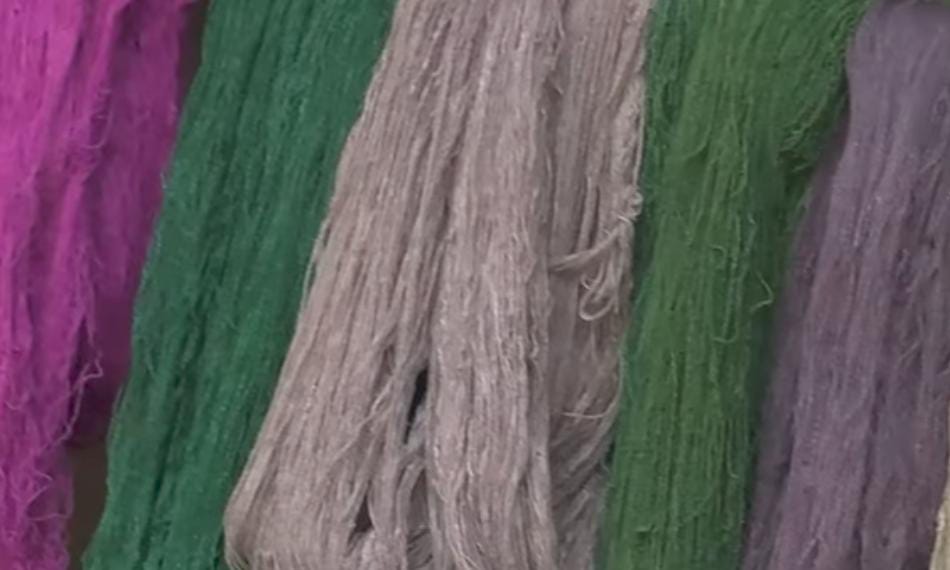
One of the defining characteristics of Ryndia silk is its complete reliance on natural, plant-based dyes. This practice reflects the Hynniewtrep people’s enduring respect for nature and their intimate knowledge of the surrounding forests.
To produce the distinctive mustard-yellow shade, weavers boil crushed wild turmeric with tree bark. Rich red hues are created using raha and sohkhu leaves, while other colours are extracted from a variety of indigenous leaves, flowers, and forest plants.
The dyeing process demands patience and precision. Water is brought to a rolling boil before natural fixatives, including diengrnong and turmeric, are added. The silk threads are then immersed and simmered for over an hour before being dried in the open air. Once dry, they are wound onto traditional spools and prepared for weaving.
The weaving techniques themselves have been handed down from grandmothers to mothers and now to younger generations of daughters. Women in Ri-Bhoi use two different types of looms depending on the textile being produced.
The traditional ground or floor loom, used for generations, is primarily employed for smaller garments, while larger textiles such as full-length jainsem wraps and large shawls are woven on frame looms, locally known as shetel looms. Depending on the complexity of the motifs and patterns, weaving a single pair of jainsem can take between one and two weeks of continuous work.
The value of these handcrafted textiles reflects the skill, time, and labour invested in every piece. A finely woven jainsemwith intricate designs typically sells for between ₹15,000 and ₹16,000, while handcrafted shawls fetch around ₹2,500.
Behind every finished textile lies the cost of raw silk, natural dyeing materials, spinning, boiling, and days of painstaking manual labour. Although profit margins are often modest and access to consistent markets remains a challenge, the sale of these textiles provides an essential source of income for many rural households.
Beyond its economic significance, Ryndia has earned international recognition as a sustainable and ethical textile. Often referred to as “peace silk”, it is produced only after the moth naturally emerges from its cocoon, making the process cruelty-free. The fabric is entirely organic, naturally breathable, and offers excellent thermal comfort, keeping the wearer warm during winter and cool in summer.
As global demand grows for sustainable and environmentally responsible textiles, the quiet rhythm of the looms in villages such as Umkon continues to preserve a remarkable tradition. Ryndia silk stands as a testament to craftsmanship, ethical living, and an unbroken cultural legacy that continues to weave together the past, present, and future.