As the Joint Action Committee (JAC) against the Shillong Ropeway Project enters the thirteenth day of its protest outside the iconic Kiang Nongbah monument in Shillong, a deep sense of uncertainty, environmental anxiety and fear over lost livelihoods has gripped local residents who earn their living at the Lum Shyllong Viewpoint.
While demonstrators continue to voice their opposition in the heart of the city, interactions with shopkeepers and local taxi drivers operating around the viewpoint reveal a community largely left in the dark about how the project will affect them.
Speaking near the viewpoint, an elderly woman who runs one of the local shops expressed confusion regarding the project’s blueprint.
She said locals have no idea how much benefit, if any, the ropeway will bring them, as they have not even been informed whether the entry and exit points will be established on their side or at Madan Laban.
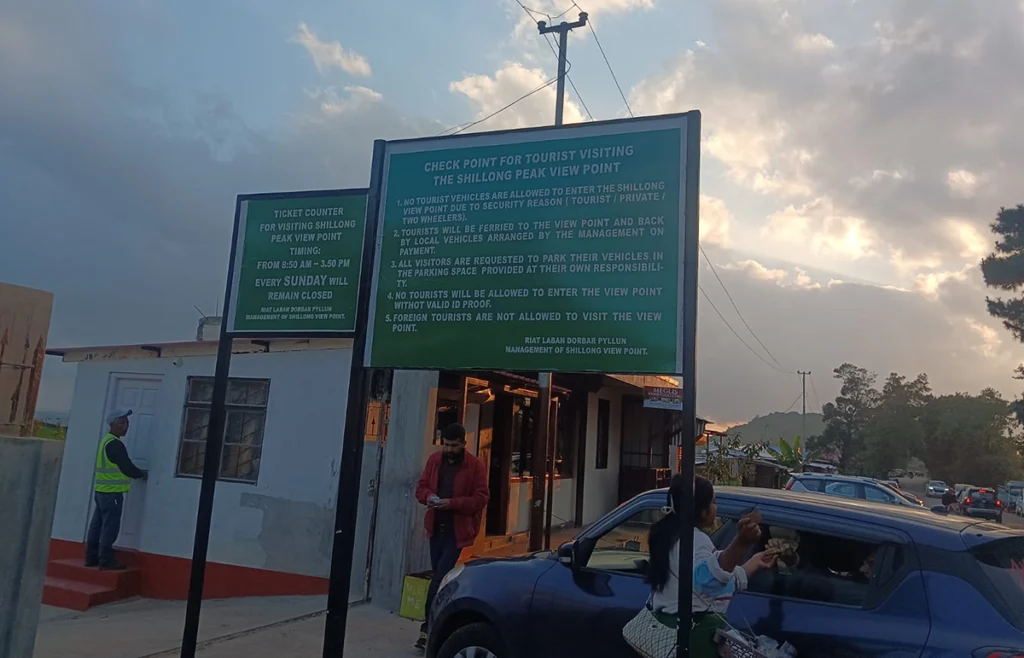
Pointing out that the viewpoint falls within a Defence area where entry and exit are already strictly regulated, she noted that residents do not even know whether to oppose or support the project because they remain uninformed about its layout.
According to her, the current flow of tourists to the viewpoint is sufficient to sustain the ten to eleven small shops operating inside, which earn a modest living by selling essential items and refreshments to visitors.
Local commercial taxi drivers share similar apprehensions, arguing that the ropeway will neither boost their livelihoods nor protect the fragile environment.
One driver pointed out that tourists already visit the viewpoint regularly without a ropeway, making the project unnecessary for their trade.
However, he stressed that the far greater concern is the threat to nature and the city’s drinking water supply.
He warned that construction activities would not merely result in the felling of trees but could severely damage the surrounding ecology, as subsequent construction of buildings and infrastructure could pollute natural water sources.
Emphasising that water originating from Lum Shyllong supplies not just Laban but the entire city of Shillong, he maintained that while locals would not object if the project caused no harm, the proposed development threatens their future.
Scepticism towards the government’s promises of employment and economic upliftment also runs deep among the local workforce.
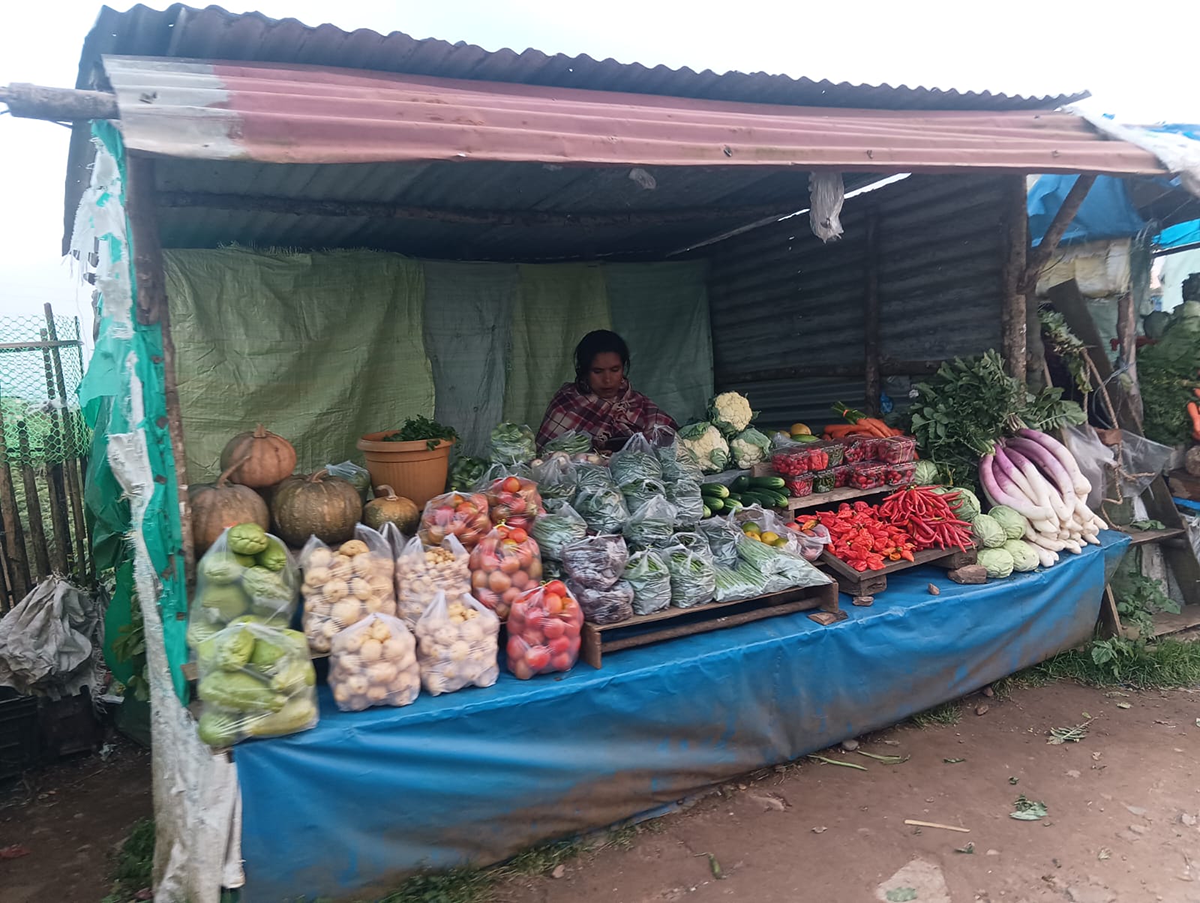
Residents said the public no longer trusts official assurances because past promises have repeatedly failed to materialise on the ground.
They argued that even if the project goes ahead, the primary benefits will be concentrated in Laban rather than their locality.
They also expressed concern that technical experts from outside the state would inevitably be brought in to operate and maintain the ropeway, as locals lack the specialised training required to manage such machinery.
From their perspective, the project offers no tangible gains for the local population while potentially inflicting severe and irreversible damage on the environment.
Another local taxi driver highlighted an existing arrangement at the viewpoint designed to protect local livelihoods.
He explained that visiting tourists are currently required to hire local commercial taxis to reach the spot, as outside tourist vehicles and private cars are barred from entering the Shillong Viewpoint zone.
He warned that the introduction of a ropeway would devastate their sole source of income, as tourists would simply board the cable car directly from Laban to the viewpoint, bypassing local drivers entirely and leaving them jobless.
Echoing the widespread frustration in the area, he reiterated that residents remain completely in the dark regarding how the government plans to execute the project or where the entry and exit terminals will be situated.
Meanwhile, responding to the ongoing agitation by the JAC, Meghalaya Tourism Minister Paul Lyngdoh reiterated that the state government remains open to holding talks with protesters, provided the engagement is rooted in logical dialogue.
Lyngdoh emphasised that the government’s doors have always been open to the public, though he maintained that meaningful discussions cannot take place in an atmosphere where protesters are focused solely on raising slogans.
Questioning the timing of the protests, Lyngdoh pointed out that the ropeway project was initiated in 2022, when he was not even a member of the State Legislative Assembly.
He clarified that the Memorandum of Understanding (MoU) for the project was signed on January 16, 2023, during the tenure of the MDA-I government, when he was merely an election candidate.
Lyngdoh further noted that after taking charge of the Tourism portfolio in 2023, he served as minister for nearly two and a half years without anyone approaching him with grievances, difficulties or concerns regarding the project.
He questioned why opposition and agitation had emerged nearly five years after the project’s inception.
Addressing demands to relocate the ropeway elsewhere, the minister firmly ruled out the possibility, explaining that the project had been specifically engineered for the chosen site.
He stated that there was no “cut-and-paste” method to simply move the project to another location, as doing so would require starting the entire process afresh.
This would include securing new clearances, conducting fresh soil testing and undertaking detailed botanical studies.
Clarifying concerns over the ecological and cultural sanctity of Lum Shyllong, Lyngdoh reiterated that the selected site is not located on the sacred peak itself and has no connection to it.
He explained that the alignment connects Lawsohtun, where the first tower will be built, to the upper terminal at the Shillong Viewpoint, which lies approximately 3.15 kilometres away from Lum Shyllong.
He maintained that undertaking any project directly on Lum Shyllong was out of the question, as it would go against the government’s commitment to preserving the area.
The minister added that those who hold Lum Shyllong sacred had raised no objections precisely because they recognised this distinction.
Highlighting the broader benefits of the initiative, Lyngdoh noted that the project had already secured clearances from five different central government ministries.
He emphasised that since the Shillong Viewpoint is already an established tourist destination, the ropeway would enhance Shillong’s profile as a premier tourist destination by offering visitors an aerial view of the city.
According to him, this would also encourage tourists to explore other destinations across the state, including Mawlynnong, Sohra and Laitlum.
Lyngdoh also dismissed allegations of political motives behind the agitation, noting that the public could clearly see who was spearheading the protests.
He maintained that a democratically elected government could not allow its developmental mandate to be dismissed lightly.